
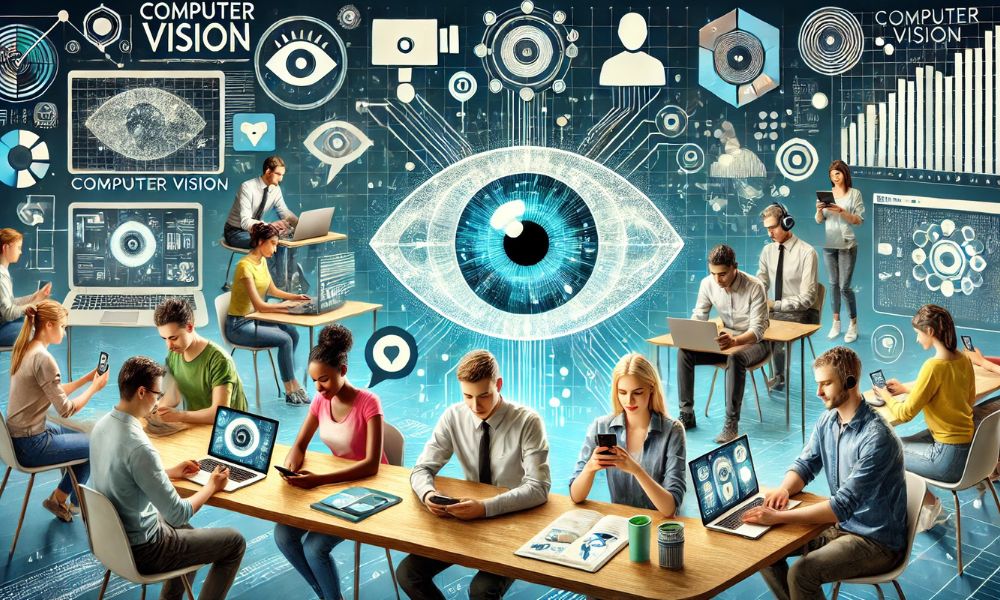
We live in a time of continuous advancement and progress in technology, among which computer vision is one of the most impactful domains. Computer vision has already played a major role in our everyday lives from making smartphones smarter via facial recognition to providing self-driving cars the eyes needed to drive on live roads. A computer vision course provides you with a solid starting point if you are enthusiastic to get your hands on this savvy and flourishing field.
From absolute novices to techies looking at brushing up with the building blocks of computer vision are plenty of career doors that can be unlocked. This guide will help you understand what is computer vision. Why it matters, and why a computer vision course is an investment with the future.
What is Computer Vision?
This workshop introduces you to computer vision and OpenCV using Python. Like how we use our own eyes to understand the surroundings, computer vision allows machines to interpret and obtain meaningful understanding from photographs, videos, and a number of other visual inputs. It gets applied to things like detecting objects, recognizing faces, interpreting gestures and even analyzing medical images to identify diseases.
What makes computer vision magical is its power to mimic the human brain’s visual processing — only more accurately and faster. Computer vision allows us to creatively use advanced machine-learning techniques in tandem with data analytics algorithms and automate task by analyzing the input.
Why is Computer Vision So Important?
The significance of computer vision cannot be overstated, especially in today’s world where visual data plays an integral role in technology. From mobile devices to self-driving cars and beyond, computer vision is at the heart of many innovations:
- Smartphones: Your phone’s facial recognition system, used to unlock devices, is powered by computer vision.
- Healthcare: Computer vision is transforming medical diagnostics by analyzing medical images. Such as CT scans and X-rays, to detect conditions like tumors and fractures with incredible accuracy.
- Autonomous Vehicles: Self-driving cars rely on computer vision to interpret their surroundings, detect obstacles, and make driving decisions in real-time.
- Retail and Security: Applications such as automated checkout systems and surveillance cameras use computer vision for real-time object detection and facial recognition.
As more industries continue to adopt AI technologies, the demand for professionals skilled in computer vision grows. It’s a field that promises career stability and a front-row seat to the future of technology.
Key Components of Computer Vision
Before diving into a computer vision course, it’s essential to understand the foundational components that make this field so powerful:
Image Processing
The first step in computer vision is image processing, where an image is manipulated or enhanced for further analysis. This includes tasks like adjusting brightness, contrast, or applying filters to remove noise and clarify the image. Think of it as preparing the image for deeper understanding.
Feature Extraction
Once the image is ready, the next step is feature extraction. In this phase, the system identifies key components of the image, such as edges, textures, or patterns. That helps the machine understand what it’s seeing. For example, identifying the edges of a car, the texture of skin, or the contours of a building.
Machine Learning and AI
The final component is machine learning, where algorithms are trained to make sense of the extracted features. These algorithms are designed to detect patterns and predict outcomes based on the input data. For instance, after being trained with numerous images of faces. A computer vision model can learn to recognize faces in new, unseen images.
Why Take a Computer Vision Course?

Embarking on a computer vision course offers numerous advantages, especially for those eager to enter the world of AI and machine learning. Here’s why you should consider learning computer vision:
Comprehensive Learning
A computer vision course is designed to take you through both the theory and practical applications. It starts with fundamental concepts like image processing and gradually builds up to more complex topics like object recognition, deep learning, and real-time vision systems.
In-Demand Skill
As industries across the globe continue to integrate AI solutions, the demand for computer vision professionals is surging. With the skillset gained from a computer vision course. You position yourself as a valuable asset to companies that are embracing AI technologies.
Hands-On Experience
Practical application is key when it comes to learning. A well-structured computer vision course provides you with hands-on projects where you can implement what you learn and see real results. Whether it’s building a simple object detection system or training a model to recognize faces. These practical exercises are critical in reinforcing your understanding.
What Will You Learn in a Computer Vision Course?
A computer vision course typically covers a wide range of topics, ensuring that you get a comprehensive understanding of the field. Here are some of the key areas covered:
Image and Video Processing
In the beginning, you’ll learn the basics of image processing, such as how to manipulate pixels, work with color spaces, and perform tasks like edge detection and image filtering. You will also dive into video processing, a crucial aspect for applications in surveillance and real-time monitoring.
Object Detection and Recognition
You will explore algorithms that enable computers to identify and classify objects in images and videos. This topic is essential for applications like facial recognition, autonomous vehicles, and even medical imaging.
Deep Learning in Computer Vision
At the core of many modern computer vision systems is deep learning. This module will introduce you to Convolutional Neural Networks (CNNs), a type of neural network that is particularly effective in analyzing visual data. You will learn how CNNs are used to improve accuracy and efficiency in tasks such as image classification and object recognition.
Real-Time Computer Vision
In industries such as robotics, self-driving cars, and security, real-time processing is a must. You will learn how to develop computer vision systems that can process and analyze visual data in real-time, making instant decisions based on the input they receive.
Tools and Technologies for Computer Vision
To develop and implement computer vision systems, you’ll need to be familiar with several tools and libraries that are used in the industry:
- OpenCV: An open-source library that offers a vast range of tools for image and video processing.
- TensorFlow and PyTorch: These popular deep learning frameworks are essential for building and training machine learning models used in computer vision tasks.
- Python: A versatile programming language that is widely used in computer vision due to its simplicity and rich ecosystem of libraries.
Mastering these tools will allow you to tackle real-world projects and develop your own computer vision applications.
Career Opportunities in Computer Vision
Upon completing a computer vision course, the career opportunities are endless. The demand for computer vision professionals spans several industries:
- Healthcare: Developing systems that can automatically analyze X-rays, CT scans, and MRI images to identify diseases or abnormalities.
- Automotive: Contributing to the development of autonomous driving systems that rely on computer vision for real-time decision-making.
- Retail and E-Commerce: Implementing visual search systems, smart checkout systems, and even virtual try-ons.
- Security and Surveillance: Enhancing surveillance systems with features like facial recognition and motion detection.
The job market for computer vision specialists is thriving, and with the rapid advancements in AI and machine learning, these opportunities will continue to grow.
How to Choose the Right Computer Vision Course?
When selecting a computer vision course, it’s essential to choose one that offers:
- Balanced Content: Look for a course that covers both theory and hands-on applications.
- Experienced Instructors: Instructors with experience in the field will provide valuable insights and guidance.
- Project-Based Learning: A course that includes practical projects allows you to apply your skills and showcase your work to potential employers.
Conclusion
Computer vision is one of the most exciting fields in modern technology, and its applications are only set to grow. Whether you’re looking to advance your career, develop innovative solutions, or simply explore a new area of AI, taking a computer vision course is the perfect way to start.
By gaining hands-on experience and mastering the tools used in the industry, you can position yourself as an expert in this rapidly evolving field. The future of computer vision is bright, and with the right course, you can be part of it. Take the first step today, and unlock a world of opportunities in AI and computer vision!