
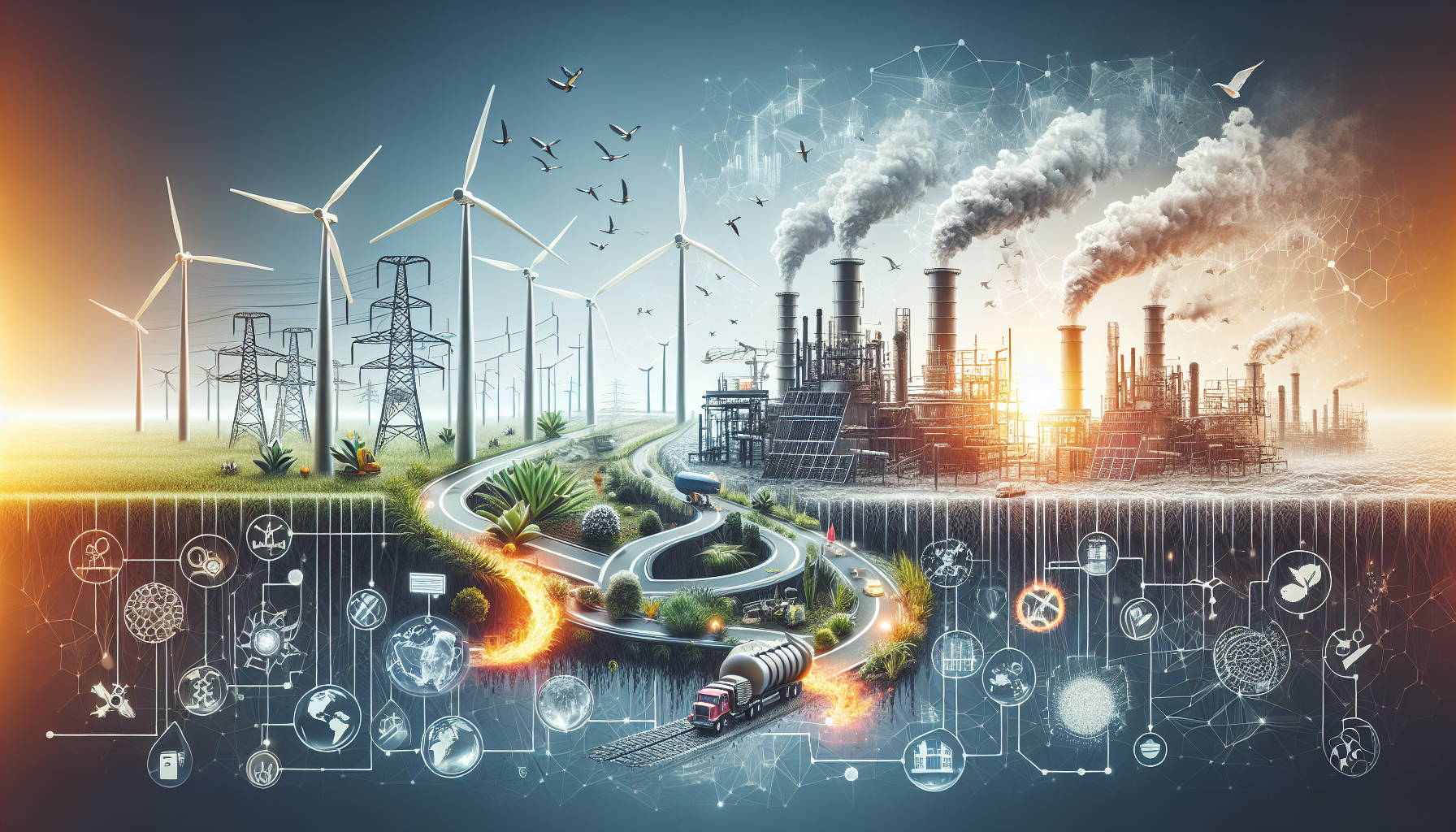
Understanding the Energy Transition
The Energy Transition refers to the long-term structural shift in how societies produce, distribute, and consume energy—moving from carbon-intensive fuels such as coal, oil, and natural gas toward low-carbon and renewable energy sources. This transition is driven by the need to reduce greenhouse gas emissions, improve air quality, strengthen energy security, and modernize aging infrastructure.
While renewable technologies have advanced rapidly, the transition is not a single switch from one system to another. It is a multi-decade transformation involving power generation, transport, industry, buildings, and agricultural supply chains. Success depends on aligning technology choices with policy, investment, and social acceptance across regions with different resources and economic priorities.
Why Fossil Fuels Are Being Phased Down
Fossil fuels have historically delivered reliable energy at scale, but they are increasingly challenged by environmental and economic pressures. In many markets, renewables are becoming more cost-competitive, and investors are more attentive to climate-related risks and regulatory uncertainty. At the same time, the public health impacts of air pollution and the geopolitical vulnerabilities of fuel supply chains are prompting governments to diversify energy portfolios.
Importantly, the energy transition is also about resilience. Fossil fuel price volatility can strain national budgets and household affordability, while distributed renewable systems can reduce dependence on imported fuels and improve energy access in remote or underserved communities.
Renewable Energy Pathways: Technologies Shaping the Future
Renewable energy is not a single solution but a set of complementary pathways that can be combined to match local conditions, grid constraints, and demand patterns. Most strategies rely on a diversified mix rather than a one-technology approach.
- Solar and Wind: Scalable and increasingly low-cost options for electricity generation, particularly effective when paired with flexible resources such as storage and demand response.
- Hydropower: Provides low-carbon baseload and balancing services in suitable geographies, though often limited by environmental and permitting considerations.
- Geothermal and Biomass: Valuable for dispatchable power and heat in specific regions, with sustainability depending on resource management and lifecycle emissions.
- Energy Storage: Batteries and long-duration storage enable higher renewable penetration by shifting energy across hours or days and stabilizing grid frequency.
- Green Hydrogen: Produced using renewable electricity, hydrogen can support decarbonization in hard-to-abate sectors such as steel, chemicals, shipping, and heavy transport.
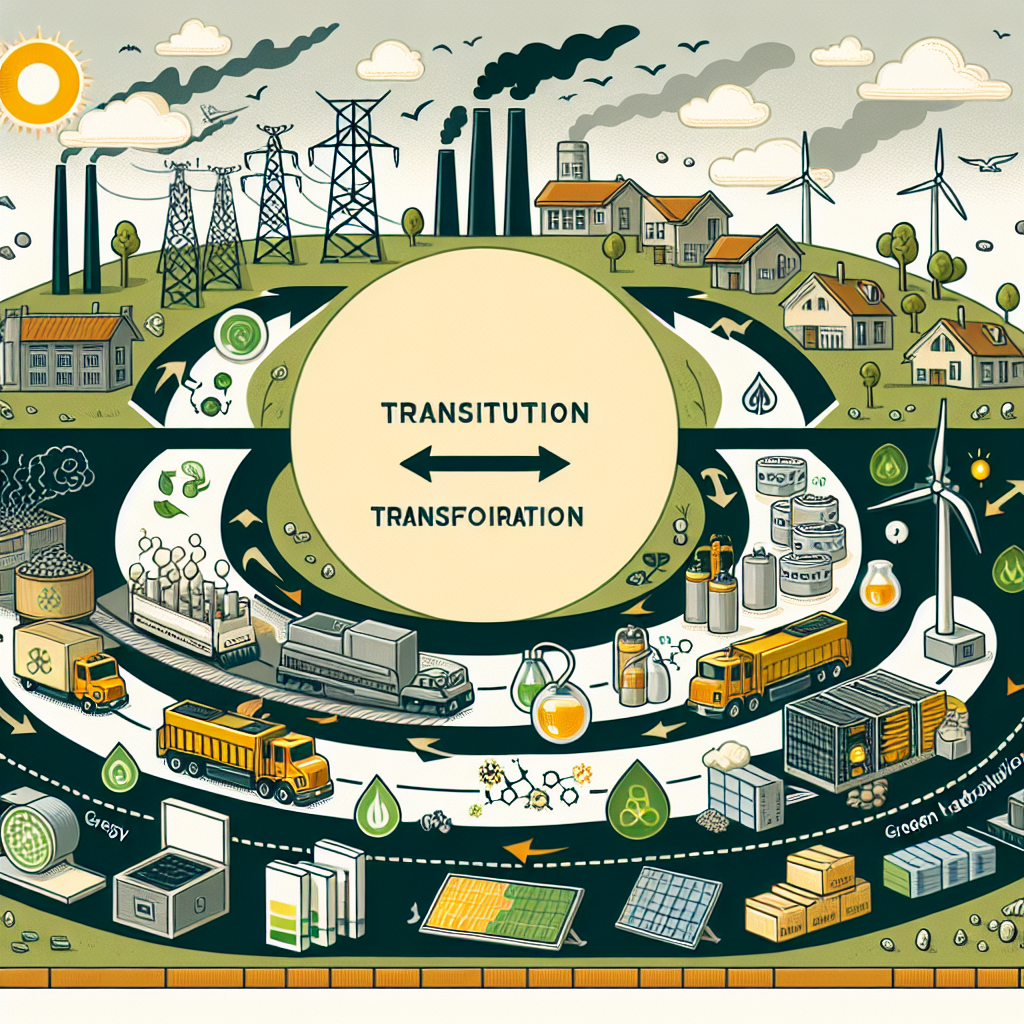
Strategic Planning for Energy Transitions: A Systems Approach
Strategic Planning for Energy Transitions requires coordinated decisions across infrastructure, markets, regulation, and workforce development. Because energy systems are interconnected, planning must account for reliability, affordability, emissions targets, and the pace of technology deployment. Effective strategies typically begin with a clear baseline assessment of current energy use, emissions sources, and infrastructure constraints.
Transition planning also benefits from scenario analysis—evaluating multiple pathways under different assumptions such as fuel prices, technology costs, grid expansion timelines, and demand growth. This helps decision-makers avoid overreliance on any single forecast and supports adaptive policies that can be updated as conditions change.
Grid Modernization and Infrastructure Requirements
As variable renewable generation expands, grids must evolve. Modern power systems need enhanced transmission capacity to connect high-quality renewable resources to demand centers, advanced distribution networks to integrate rooftop solar and electric vehicles, and digital tools to improve forecasting and system control.
Key investments include:
- Transmission buildout: New lines, upgraded substations, and interconnections to reduce congestion and improve regional balancing.
- Smart grid technologies: Sensors, automation, and real-time monitoring to improve reliability and reduce outage impacts.
- Flexibility resources: Storage, demand response, and dispatchable low-carbon generation to manage peaks and variability.
Managing Socioeconomic Impacts and Ensuring a Just Transition
An energy transition is durable only if it is socially and economically inclusive. Regions dependent on fossil fuel extraction or conventional power generation may face job displacement and reduced local revenues. A just transition approach prioritizes workforce retraining, targeted investment, and community-led redevelopment to ensure that new opportunities are accessible and long-lasting.
In parallel, consumer affordability must remain central. Well-designed policy can reduce energy burdens through efficiency upgrades, equitable access to clean technologies, and transparent market structures that encourage competition and innovation.
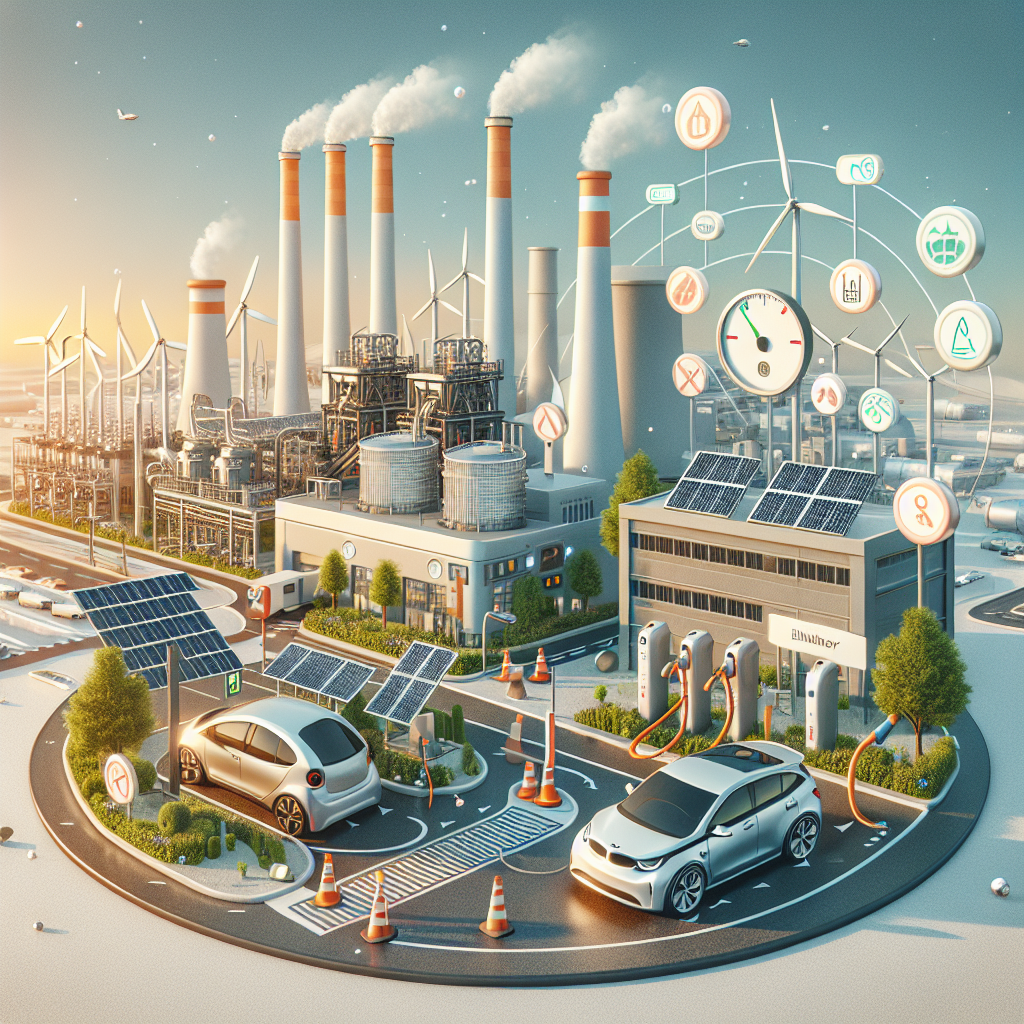
Policy and Market Mechanisms Accelerating Decarbonization
Policy frameworks are essential for reducing uncertainty and mobilizing capital at scale. Common mechanisms include renewable energy standards, carbon pricing, clean energy tax incentives, competitive procurement auctions, and streamlined permitting. These tools can lower the cost of capital, encourage technology adoption, and support innovation from early-stage demonstration through commercial deployment.
Equally important is market design. Electricity markets may need updated rules to value flexibility, capacity, and ancillary services—ensuring that low-carbon resources are rewarded not only for energy production, but also for reliability and grid support.
Sector-by-Sector Pathways: Power, Transport, Industry, and Buildings
Decarbonization pathways vary by sector, and strategic sequencing can reduce overall costs:
- Power: Scale renewables, retire high-emitting assets, expand grids, and deploy storage and flexible capacity to maintain reliability.
- Transport: Electrify light-duty vehicles, expand charging infrastructure, and deploy low-carbon fuels for aviation, shipping, and heavy freight where electrification is challenging.
- Industry: Improve efficiency, electrify processes where feasible, and use hydrogen or carbon capture for high-temperature or process emissions.
- Buildings: Accelerate efficiency retrofits, adopt heat pumps, and modernize district energy systems for dense urban areas.
Measuring Progress and Building Long-Term Resilience
Tracking measurable indicators strengthens accountability and enables course correction. Common metrics include renewable share in generation, emissions intensity, grid reliability indicators, investment levels, energy affordability, and workforce outcomes. Transparent reporting can build public trust and improve alignment between national targets and local implementation.
Ultimately, the most credible energy transition strategies combine near-term actions with long-term resilience: diversified clean energy portfolios, robust grids, secure supply chains for critical minerals and components, and continuous innovation. By aligning technology choices with prudent governance and inclusive economic planning, countries and companies can move from fossil fuels to renewables in a way that is reliable, competitive, and sustainable.