

In today’s fast-paced business world, leadership is very important. Leadership skills can make a big difference, whether you’re leading a team or trying to move up in your job. A lot of people and groups look for leadership training to get better at these skills. But the price of leadership training changes based on things like the type of training, the experience of the teacher, and how the program is customised. There is a price tag on leadership training, but it is an investment that pays off in higher efficiency, better decision-making, and a better work attitude. This piece will talk about the things that affect prices and give you advice on how to get the most out of your money.
What Determines the Cost of Leadership Training?
The cost of leadership training is influenced by a multitude of factors, making it a nuanced topic to navigate. Let’s break down the key elements that determine the price.
Type of Leadership Training
Leadership training comes in various formats. You may choose between in-person seminars, online courses, or even hybrid models. In-person sessions, especially those held in major cities or at renowned institutions, often carry a hefty price tag due to the logistics involved—venue rental, travel expenses, and the need for on-site trainers. Online training, on the other hand, tends to be more affordable since it eliminates many of these additional costs. However, it can lack the hands-on interaction that in-person programs provide.
Trainer Experience and Credentials
Just like with any professional development, the experience and reputation of the instructor can significantly impact the cost. Highly regarded leadership coaches with extensive experience and an impressive portfolio of clients may charge more for their expertise. The credibility of the trainer can often justify the premium price, especially if they have specialized knowledge or a unique leadership framework to share.
Customization of the Program
Leadership training that is tailored to a specific business or individual needs tends to be more expensive. Customized programs take into account the unique challenges and goals of the participants, ensuring that the training is relevant and effective. However, creating such bespoke programs requires more preparation time, research, and resources, which all contribute to a higher cost.
Duration and Intensity
The length of the leadership training program also plays a significant role in determining its cost. Short, one-day workshops are typically more affordable compared to comprehensive, multi-week courses that involve in-depth training, continuous assessments, and follow-up coaching. For those willing to make a long-term commitment to leadership development, these extended programs can offer substantial value, though they come at a steeper price.
Average Costs for Leadership Training Programs
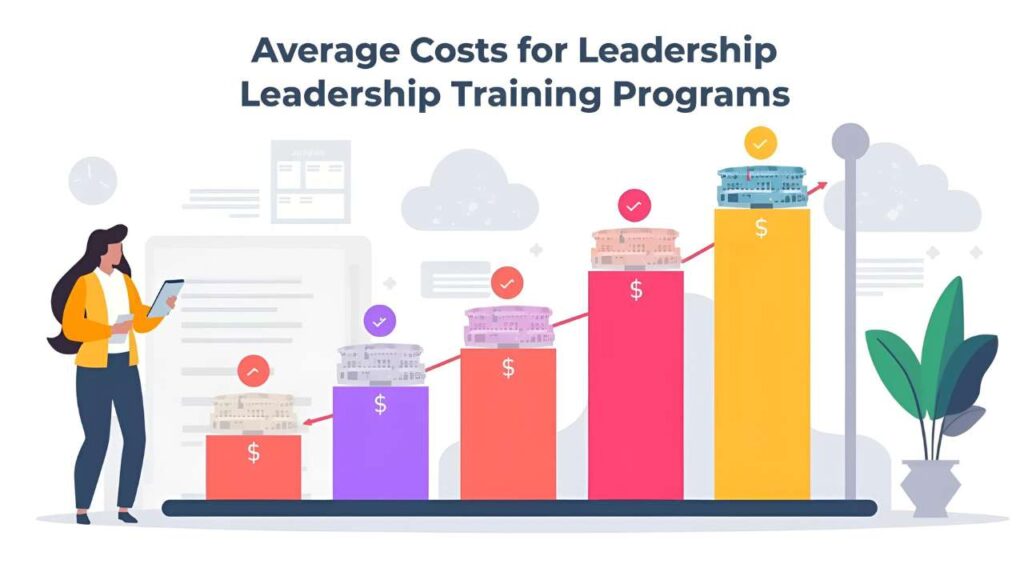
Understanding the general pricing trends in leadership training can help you set realistic expectations. Here’s a breakdown of average costs across various types of programs.
Online Courses
Online leadership training is often the most cost-effective option. Basic online courses can range from $50 to $500, depending on the length and complexity. These are typically self-paced, allowing learners to absorb material at their own speed. For more advanced online training with certification, prices can increase to $1,000 or more.
In-Person Workshops
In-person leadership workshops tend to cost more, reflecting the logistics and expertise involved. These programs can range from $500 for a one-day seminar to $5,000 or more for multi-day sessions. High-end, executive-level workshops can exceed this, with prices reaching upwards of $10,000. These programs often provide personalized coaching and in-depth group interactions.
Corporate Leadership Training
If your organization is looking to provide leadership training for a group of employees, the costs can be significantly higher. Corporate training programs can range from $10,000 to $100,000 or more, depending on the number of employees involved, the length of the program, and whether it’s customized to address the company’s specific needs.
Additional Costs to Consider
When evaluating leadership training options, it’s important to look beyond the base cost. Several additional expenses may arise depending on the type of training you choose.
- Travel and Accommodation: For in-person training, especially if the program is held in a distant location, travel and accommodation costs can add up quickly. Participants may need to book flights, hotel stays, and meals, all of which can significantly increase the overall expense.
- Certification Fees: Some leadership programs, particularly those that offer certification, may include additional fees for testing and certification. While these fees are typically modest, they should still be factored into the overall cost calculation.
- Follow-Up and Ongoing Support: Leadership training doesn’t end once the course is over. Many programs offer ongoing support, coaching, or mentorship after the initial training. While this is an invaluable resource for continued growth, it may come with additional charges. Be sure to inquire about any post-training services when researching different programs.
Is Leadership Training Worth the Cost?
It’s important to keep in mind that the true value of leadership training goes beyond the initial price tag. The skills learned in leadership training can dramatically enhance one’s ability to inspire, motivate, and guide others. This translates to improved team performance, increased employee engagement, and greater overall organizational success.
Moreover, the ROI of leadership training can be profound. When leaders are properly trained, they are better equipped to make strategic decisions, foster innovation, and navigate challenges with resilience. These benefits not only improve business outcomes but also enhance career prospects for individuals seeking to advance in their professional journeys.
How to Choose the Right Leadership Training for Your Needs
With so many different training options available, it’s crucial to select the right one for your specific goals and budget. Here are some tips to guide your decision-making process:
- Assess Your Leadership Goals: Before committing to any program, take the time to reflect on your leadership goals. Are you looking for general leadership skills or do you need specialized training in areas such as conflict resolution, strategic thinking, or team dynamics? Understanding your objectives will help you choose the most relevant program.
- Evaluate the Trainer’s Credentials: The experience and qualifications of the trainer can significantly impact the quality of the training. Look for instructors with a proven track record of success and expertise in the areas you wish to develop.
- Consider Your Budget: Leadership training is an investment, but it doesn’t have to break the bank. There are programs available at various price points. Determine what you can afford, and then prioritize the training options that offer the most value within your budget.
Conclusion
People who want to get better at being leaders should definitely get some leadership training. Leadership training is an investment that will pay off in the long run, even though the costs can change a lot based on the type of program, how long it lasts, and how much it can be customised. You can find a training program that fits your goals and budget by learning about the things that affect prices and looking into different training choices. This will set you up for success in your personal and work life.