

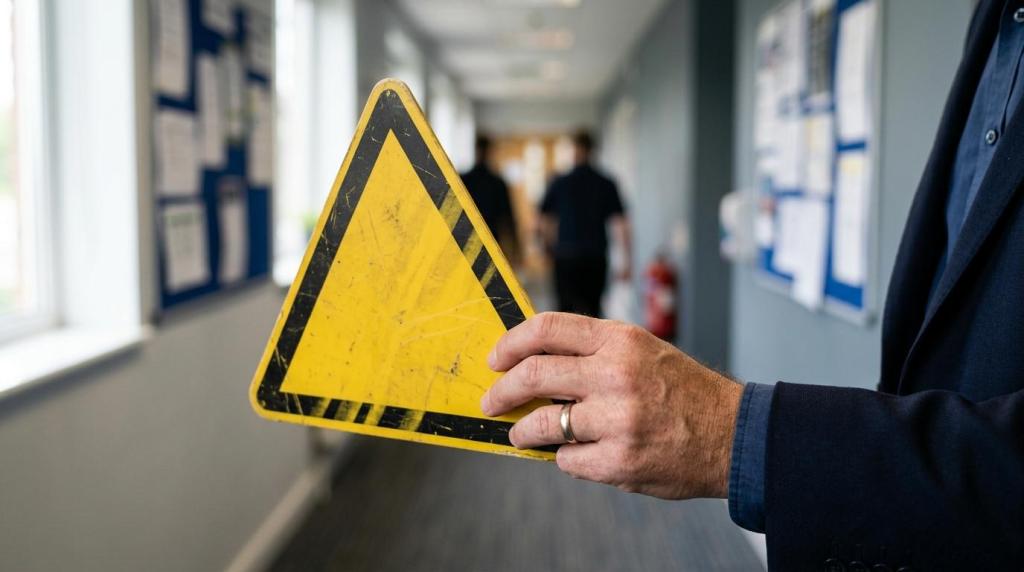
AI-generated illustration created to represent the article’s subject. It does not depict an actual EPW course, trainer, participant, client, event or venue.
Construction project management is a vital area that significantly contributes to delivering projects on schedule, within budget, and according to established standards. Construction project management training is critical, whether you are new to the industry or need to top up your skills.
These skills include time management, budgeting, risk management and team coordination — all essential in ensuring that any construction project runs smoothly. With the construction industry growing and becoming more complex, entering into the cornerstones of this dynamic sector with funds in adequate preparation is essential for everyone looking to secure a senior position.
Why You Need to Know About Construction Project Management Training
Learning the ropes is essential for project managers in construction who need to supervise each step of a project. Construction project management training refers to the process of learning how to manage construction projects, from initial planning and budgeting, through team coordination and resource management. Projects can quickly go off track, run over budget, or even face legal and safety-related issues without the appropriate knowledge and skills.
Training equips project managers with:
- The ability to forecast and mitigate risks
- Essential tools for managing costs and time effectively
- Methods for communicating with stakeholders and contractors
- A thorough understanding of safety standards and legal requirements
For businesses, having well-trained project managers ensures that projects are more likely to meet deadlines, stay within budget, and result in satisfied clients.
Key Skills Developed Through Construction Project Management Training
Construction project management training focuses on developing several core skills that are essential for success in the field:
Time Management
In construction, delays can be costly. Training in project management helps individuals learn how to create realistic timelines, account for potential risks, and ensure that projects stay on track.
Budgeting
Construction projects often face unexpected costs, making budgeting one of the most critical skills to develop. Training teaches project managers how to allocate funds properly, monitor expenses, and make adjustments to keep projects within budget.
Risk Management
Every construction project involves risks, such as environmental challenges, material shortages, and accidents. Training helps project managers identify and mitigate these risks early in the process, preventing delays and costly disruptions.
Team Coordination
A construction project involves various professionals, from architects to contractors. Training helps managers develop leadership skills, learning how to effectively communicate with diverse teams and keep everyone aligned toward a common goal.
Types of Construction Project Management Training
There are various ways to gain construction project management training, catering to different needs, learning styles, and career goals. Some of the most popular training formats include:
In-Person Courses
In-person courses provide a hands-on approach, allowing students to interact with instructors and peers. These programs often include case studies, workshops, and real-world project simulations to offer practical experience.
Online Courses
Online training offers flexibility, making it ideal for those with busy schedules. These programs often include video lessons, downloadable resources, and quizzes to assess your understanding of key concepts.
Certifications
Many training programs offer certifications upon completion. These certifications, especially those from reputable organizations like the Project Management Institute (PMI), can significantly enhance employability and career advancement opportunities.
Benefits of Construction Project Management Training
Investing in construction project management training has numerous advantages, both for individuals and businesses:
- Improved Efficiency: Trained professionals can handle the complexities of construction projects more efficiently, saving time and money.
- Better Risk Mitigation: Training helps project managers anticipate potential issues and take proactive steps to address them.
- Leadership Development: Effective management of teams is critical for success in construction. Training develops leadership skills that are crucial for motivating teams and achieving project goals.
- Increased Job Opportunities: Certification and training are often required by employers, and completing a recognized program increases job prospects in the competitive construction field.
How to Choose the Right Construction Project Management Training Program

When selecting a training program, it’s important to consider several factors:
- Accreditation: Look for accredited programs that meet industry standards and offer certification recognized by potential employers.
- Course Content: Ensure the course covers essential topics like budgeting, scheduling, risk management, and legal considerations.
- Delivery Format: Choose a training program that suits your learning style—whether it’s online or in-person—and fits your schedule.
- Instructor Expertise: The quality of instruction is vital. Make sure the instructors are experienced professionals with real-world expertise.
Conclusion
Construction project management training is an essential step for anyone looking to succeed in the construction industry. Whether you are a novice or an experienced professional, proper training provides the tools to manage projects effectively, reduce risks, stay within budget, and lead teams to success. By gaining a comprehensive understanding of time management, budgeting, risk management, and leadership, you can make a significant impact on the projects you oversee.
Investing in quality training not only enhances your career prospects but also ensures the smooth and successful completion of construction projects, setting you apart in the competitive construction industry.



One thought on “Essential Training for Beginner Construction Project Manager”
Comments are closed.