

Key Takeaways
- Oil and gas management combines exploration, drilling, production, logistics and refining to maximize throughput, cost, safety and compliance while minimizing environmental impact. Build cross-functional governance that aligns technical workflows with regulatory and emissions targets.
- State-of-the-art solutions such as seismic inversion, intelligent drilling, digital oilfields and refinery simulation enhance decision-making quality and operational efficiency. Focus on data architecture, real-time sensing and analytics to facilitate predictive maintenance, production optimization, and remote operations.
- Exploration value depends on accurate subsurface characterization and disciplined stage gating from screening to drill-site selection. Standardize digital mapping, probabilistic resource assessment, and risk registers to minimize dry-hole risk and cycle time.
- Drilling and production performance need to be underpinned by strong safety systems, skills development, and automation of high-risk work. IoT-condition monitoring, predictive failure models, and KPI dashboards for rate, uptime, energy intensity, and emissions.
- Logistics and refining requires robust supply chains, accurate inventory control, and constant process optimization. Leverage cloud and edge computing for pipeline and terminal visibility, and advanced control and energy management to reduce losses and greenhouse gas emissions.
- Workforce capability, ethical governance, and energy transition planning are core to long-term competitiveness. Fund accredited training and leadership programs, implement transparent compliance, and pilot decarbonization, carbon capture and renewable integration with explicit transition milestones.
Oil and gas management is the management of exploration, production, transport, and sales in the hydrocarbon value chain.
It combines reservoir modeling, drilling programs, asset integrity, HSE compliance and cost control with data systems such as SCADA and ERP.
To align with market risk and carbon rules, teams leverage forecasting, emissions tracking and supply chain planning.
To guide students, the central portion charts essential actions, resources, abilities, and phases for professional tasks.
What is Oil and Gas Management?
Oil and gas management entails synchronizing exploration, drilling, production, logistics, and refining to increase efficiency and profitability while mitigating risk. It covers upstream, midstream and downstream and combines engineering, geology, finance and environmental science.
Such work includes data checks—division orders and mineral inventories, for example—to confirm ownership, ensure appropriate payment, and inform drilling plans. Robust programs integrate safety, regulatory compliance, and environmental stewardship at every stage, and leverage automation, sensors and big data to reduce costs, increase production and decrease emissions.
This strategy underpins sustainable development and assists companies to remain competitive over markets that pivot with policy, price cycles, and technological innovation. Positions run the gamut from petroleum engineer and pipeline engineer to management consultant and field technician, earning $57,088 to $96,944 per year, with growth linked to prices, environmental regulations and innovations, some roles growing 9–14% over the next decade.
1. Exploration
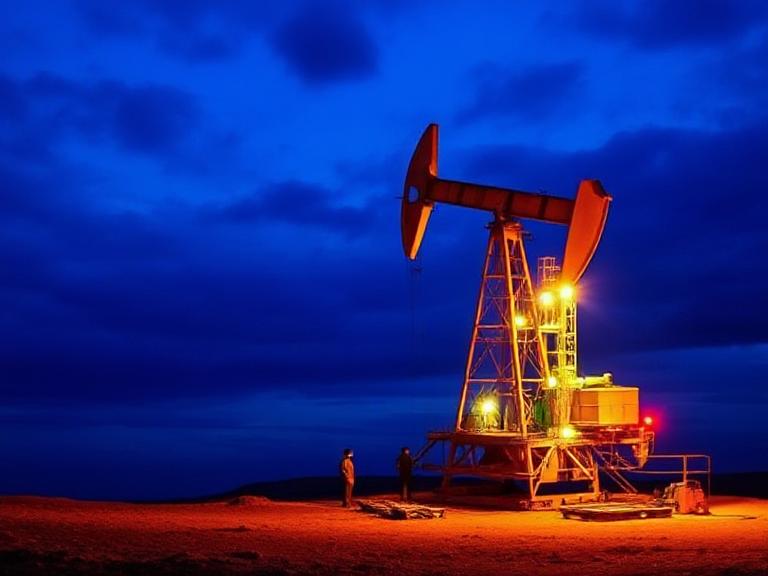
Exploration finds and sizes new hydrocarbon plays using basin modeling, structural geology, petrophysics, and seismic imaging. Teams run 2D and 3D seismic surveys, process data with full‑waveform inversion, and integrate well logs and cores to estimate porosity, permeability, and fluids.
Accurate resource assessment reduces dry holes and guides portfolio bets across frontier, emerging, and mature basins. Use digital mapping, satellite imagery and machine learning to identify sweet spots and prioritize leads. Mix geologic risk, fiscal terms, and access to markets to pick prospects.
Table of exploration stages for planning:
- Basin screening and play concept
- Seismic acquisition and processing
- Prospect maturation and risking
- Exploration well design and drilling
- Appraisal and resource classification
- Drill‑site selection and development handover
2. Drilling
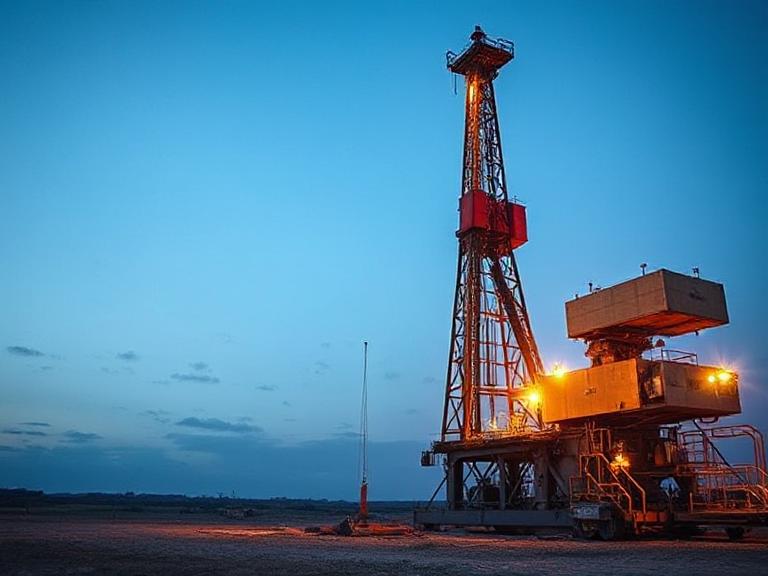
Modern rigs deploy smart drilling systems, rotary steerable tools, and autonomous control loops to maintain trajectory, optimize weight on bit, and mitigate stick‑slip. MPD and UBD increase wellbore stability and ROP.
Safety is non‑negotiable: well control training, blowout preventer testing, spill prevention plans, and waste handling protect people and the environment. Develop skills using structured training, simulators and crew competency checks.
Ingest data from mud motors, MWD/LWD tools and surface sensors, use IoT and predictive maintenance to identify kicks, vibration and reduce NPT.
3. Production
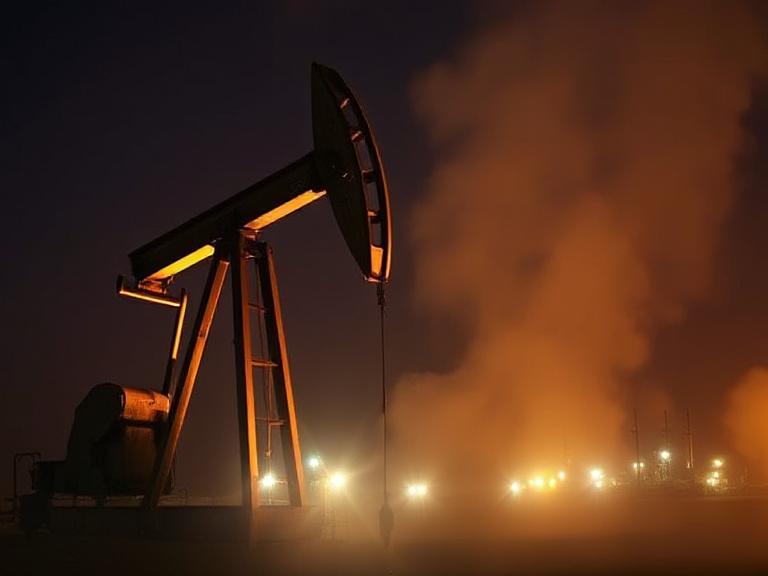
Production handles lift strategies (natural, gas, ESPs), flow assurance and workovers to keep wells online. Mature fields enjoy waterflood, polymer and surfactant EOR, as well as conformance control to lower water cut.
Digital oilfield tools automate choke settings, tank levels, and chemical dosing. This enhances uptime and reduces methane leaks. Monitor rates, pressures, and sand with SCADA and surveillance dashboards and conduct root‑cause reviews.
Key KPIs: production rate per well, decline rate, lifting cost per barrel, flaring and methane intensity, TRIR, and energy use per tonne.
4. Logistics
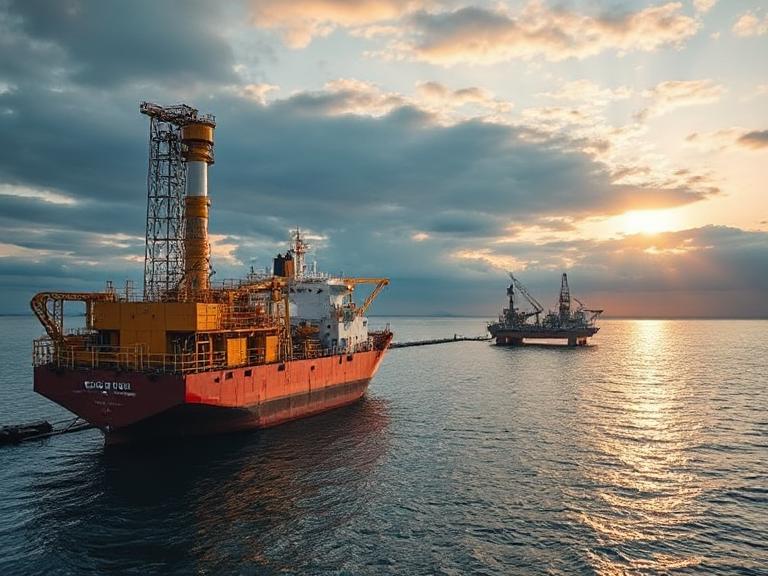
Midstream connects wells to markets through gathering systems, pipelines, trucks, rail, vessels and storage tanks. A well-planned schedule minimizes bottlenecks and shrinkage.
Pipeline transport is generally the least‑costly alternative over long distances, but requires robust integrity programs and leak detection. Cloud and edge systems allow for real-time tracking, custody transfer and inventory.
They should maintain contingency planning for spills, extreme weather and security threats, with defined responsibilities and exercises.
5. Refining
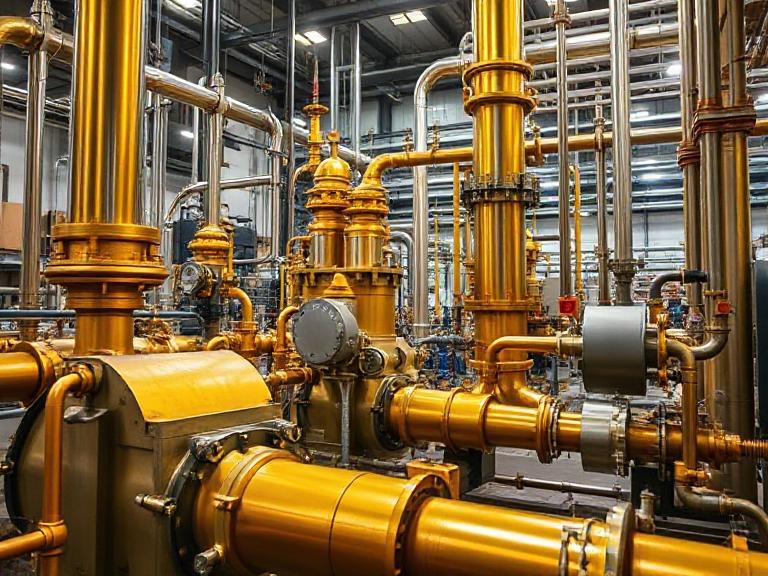
Refining transforms crude to fuels, petrochemicals, and base chemicals through distillation, cracking, reforming, hydrotreating and blending. Units operated under strict heat and mass balances.
Simulation and advanced analytics tune cut points, hydrogen balance and catalyst cycles for higher margins. Compliance on air, water, waste, and greenhouse gases – energy efficiency and electrification help.
Continuous improvement is revamps, catalyst upgrades, and debottlenecking to keep competitive.
Essential Oil and Gas Training
Oil and gas training develops fundamental capability for high-risk, capital-intensive operations. PetroSkills Alliance and PetroKnowledge programs span safety, management and operations with drilling, production and commercial strategy tracks. Experts need to schedule continuing education to keep up with digi-tech, new fields, ESG disclosures, and evolving compliance.
Toss in specialized classes in gas safety, gas management, petroleum engineering and H2S protocols. Companies should subsidise blended learning — online modules plus field practice — to confirm competency, reduce incidents and satisfy audit requirements.
Oil and Gas Training Courses
Check the following oil and gas courses :
Technical Skills
Technical teams require robust backgrounds in drilling engineering, well integrity, cementing, completions design, reservoir characterization, flow assurance, PSM, refinery and gas plant, rotating equipment, instrumentation, and maintenance strategies.
Training needs to encompass fire safety, emergency action plans, fall prevention and vehicle safety, because vehicle incidents and falls continue to be leading causes of injuries and fatalities. Fire and explosion hazards require fire extinguisher drills and site-specific response plans. H2S demands training in detection, PPE, rescue and ventilation.
Experiential learning rocks. Utilize well control simulators, DCS/SCADA simulators, and HAZOP/LOPA workshops. Lab courses on fluid properties, corrosion and gas dehydration build intuition that slides cannot. Field walkdowns and toolbox talks assist crews in implementing procedures on the fly.
Earn industry credentials: IWCF or IADC WellSharp for well control, NEBOSH/OSHA for safety, API certificates for equipment and inspection, CompEx for hazardous area work. Align training to role profiles and compliance requirements.
Keep a skills dashboard. Track courses, simulator hours, site drills, and assessment results. Flag gaps, set renewal dates, and link competencies to job tasks to guide promotions and audits.
Commercial Acumen
Commercial personnel require oil business and gas business fundamentals, gas trading operation, and oil market behavior. Comprehend pipeline tariffs, LNG value chains, storage spreads, price indices.
Understand refinery margins, crude assays, and blending regulations. Go to energy-economics seminars and business analytics classes. Model cash flow, decline curves, and price risk. Scenario planning to test capital and supply options.
Conquer contracts, finance, and risk. Negotiate supply terms, quality specifications and delivery windows. Read financial statements, plan budgets, run hedges with explicit limits.
-
Netback per barrel: revenue minus transport and processing across the chain.
-
Lifting cost per barrel: field operating cost trend and variance.
-
Utilization rate: rigs, plants, and pipelines against capacity.
-
Counterparty exposure: credit at risk by tenor and collateral.
-
HSSE incident rate: total recordable cases and high-potential near-misses.
-
Schedule adherence: project milestones, change orders, and slippage drivers.
Leadership Development
Supervisors in oilfield services require a leadership mentality that appreciates safety culture, defined roles and consistent communication, particularly across shifts and multilingual teams. Good negotiators and communicators don’t just avoid conflict, they make handovers better.
Establish mentoring between experienced supervisors and new leads. Include executive workshop on crisis briefings, stakeholder updates, and culturally aware feedback. Combine online modules with drills, because this blended learning keeps busy managers up to date.
Participate in change management and innovation programs that address digital field tools, competency frameworks, and incident learning systems. Tie leadership goals to mission and industry standards, with metrics for crew readiness and stop-work authority use and near-miss reporting quality.
New Oil and Gas Technologies
Fast digitalization, automation and decarbonization transitions are transforming the way assets operated, risk is managed, and value chains create and maintain margin. Partnerships with tech firms now color field design, trading, marketing and environmental reporting.
Even teams that simply track key trends and fold new tools into current work see safer sites, steadier output and clearer emissions data.
|
Technology |
Application |
Expected Benefits |
|---|---|---|
|
IoT + analytics |
Rig and pipeline sensing; temperature, pressure, vibration |
Less downtime, faster root-cause analysis, safer limits |
|
Cloud + edge |
Remote operations centers, model hosting, digital twins |
Lower IT cost, scalable compute, better collaboration |
|
RPA |
Back-office workflows, ticketing, logistics |
Fewer errors, cycle-time cuts |
|
Intelligent drilling |
Auto-weight-on-bit, downhole telemetry, closed-loop control |
Higher rate of penetration, fewer non-productive hours |
|
Predictive maintenance |
Pumps, compressors, turboexpanders |
Fewer failures, longer asset life |
|
Robotics |
Industrial inspection of tanks, flare stacks, subsea |
Lower exposure, more frequent checks |
|
Methane monitoring |
Cloud-based multi-sensor networks |
Verified reductions, compliance confidence |
|
CCUS |
Capture, transport, storage, utilization |
Lower Scope 1/2, tax credits where available |
|
sCO2 power cycles |
Supercritical CO2 turboexpanders |
High efficiency, low-cost, emission-free power |
|
Hydrogen |
Clean H2, direct lithium extraction links |
New revenue streams, grid flexibility |
Digitalization
Digital tools weave field data, planning, and control into a fabric. IoT sensors on rigs and pipelines feed pressure, temperature, and vibration readings into the cloud. Edge nodes filter noise and alert anomalous.
Big data platforms aggregate maintenance logs, geology, and market signals, then power dashboards and digital twins for wells, gathering lines and refineries. Data makes remote operations better. Control rooms operate model-based setpoints and scenario views, and field crews operate mobile work orders.
Marketing teams leverage the same data spine to read demand shifts, optimize pricing and customize offers in real-time across geographies. Embrace established digital oilfield technologies initially. Begin with condition monitoring, production surveillance, and planning tools that interface with your existing SCADA and historians.
Create screens your users will love.
Cybersecurity implementation checklist:
- Asset inventory: map OT/IT devices, firmware, network paths, remote access.
- Network zones: separate safety, control, and business layers, add firewalls.
- Identity: multifactor, least-privilege roles, credential vaulting for vendors.
- Patch and backup: tested restore points, offline copies, defined windows.
- Monitoring: OT-aware IDS, log capture, anomaly alerts tied to playbooks.
- Incident drills: run tabletop and live tests with cross-site roles.
- Third-party risk: contract controls, data boundaries, audit rights.
Automation
Robotic process automation eliminates manual steps in scheduling, invoices and nominations, and connects contract terms to ticketing so payments and penalties operate without manual adjustments.
Intelligent drilling systems close the loop on WOB, rotary speed, and mud properties using down hole telemetry to stabilize the bore and reduce NPT. Predictive maintenance models read vibration and temperature to predict bearing wear on pumps and compressors, scheduling swaps prior to failure.
Automated contract execution ties sensors to clauses, shrinking disputes and demurrage. Deploy automation in gas production and refineries to keep grade targets tight and increase safety.
Automating refining and production typically means more yield, superior product quality and reduced energy consumption. Teams ought to scan the supply chain end to end, prioritize use cases by value-at-stake, risk, and ease, then pilot 2 high-impact cases per site.
Decarbonization
Slash CO2 and methane by strengthening flaring regulations, optimizing heaters, and plugging leaks quickly with cloud-powered multi-sensor methane detection. Supplement with solar or wind for pads and compressor stations where grids are tenuous — pairing with batteries to smooth load.
Carbon capture, use, and storage lowers direct emissions from reformers and boilers. Supercritical CO2 turboexpanders could pave the way for low-cost emission-free power cycles for sites requiring compact, efficient generation.
Clean hydrogen projects—bolstered by cross-industry effort and direct lithium-extraction connections for battery supply—enable fuel switching and flexible blends.
- Process optimization: advanced control, heat integration, waste-heat to power.
- Fuel switching: electrify drivers, hydrogen blends for furnaces, e-drives.
- Emissions monitoring: continuous methane sensing, satellite checks, MRV systems.
- Carbon management: capture units, transport hubs, storage, credits accounting.
- Investments: more capital to low-carbon projects to balance market risk.
The Human Element in Management
Operational success in oil and gas relies on individuals who can interpret ambiguous signals, collaborate across disciplines, and make good decisions under stress. The human element targets safe, effective operations through sculpting human performance in routine work and when serious accident potentials arise.
It is not a fuzzy bolt-on to process safety; human factors require a holistic, integrated, and systematic approach embedded in design, procedures, and shift routines.
Safety Culture
Make safety a leadership and crew value. Develop obvious permit-to-work, lockout/tagout, confined space, hot work and lifting plans. Train workers on gas safety management — such as leak detection, ventilation, ignition control and emergency isolation — with scenario drills that mirror local plant layouts and equipment.
Track near-misses as rigorously as recordable incidents. A just culture of safety and accountability is paramount, though—it eliminates a blame-based fear and produces better information. Apply root cause analysis to human error, not to penalize, but to highlight organizational breakdowns, unsafe supervision, preconditions for unsafe acts, and unsafe acts—Swiss Cheese model in action.
Leaders need to model safe choices when schedules slip. Fatigue, sleep loss, and stress fuel these lapses in attention and poor judgment, so schedule rest, rotate safety-critical positions, and implement fit-for-duty tests. Stay on top of existing certifications (such as ISO 45001, IEC 61511 functional safety) and check against internal standards and regulator audits.
Mix soft skills—statement comms, collaboration, and decision making—into each safety brief.
Talent Retention
Provide robust training budgets, mentorship ladders, and visible career paths from field tech to supervisor to asset leader. Match junior engineers with senior operators for control room shadowing and shutdown planning.
Celebrate milestones with public kudos and curriculum vitae certificates linked to competency matrices. Easy, immediate recognition goes a long way toward maintaining people’s motivation. Flexible rosters, hybrid office roles and family support policies help decrease churn, particularly at remote locations.
Hold workforce development reviews bi-annually to map skills to future needs such as carbon capture operations, subsea tiebacks or advanced analytics, then adapt learning plans accordingly.
Ethical Governance
Apply clear decisions, record reasoning, and comply with local and regulatory regulations across regions. Ethical behavior in bids, supplier qualification, and JVs maintains trust with partners and communities.
Post a code of ethics, conduct ethics training regularly, and incorporate actual dilemmas like data integrity, permit pressure, and local content commitments. Establish oversight with external audits, hotline reporting, and transparent accountability.
Resilience engineering and the ETTO principle facilitate teams finding the right balance between speed and deep checks to do their work — without corroding the safety barriers.
Navigating Global Energy Transitions
From global policy to investor pressure to fast tech cycles, all are reshaping how oil and gas firms plan, spend and report. Management now crosses hydrocarbons, power markets and carbon regimes — with new expertise in grid physics, data, and life-cycle risk.
Analyze the impact of renewable energy projects and technologies on traditional oil and gas business models.
Utility-scale solar and onshore wind have cut levelized costs below many new upstream projects, which compress long-cycle returns and pushes portfolios toward short-cycle, low break-even barrels. PPAs shift value from fuel sales to capacity, flexibility and grid services, so gas plants compete on ramp rates and emissions intensity, not kWh price.
Battery storage cuts peak gas demand and compresses arbitrage in mild season LNG spot trades. Digital controls, demand response, and heat pumps nibble away at refined product sales, especially diesel and heating oil, while EV growth eats away at gasoline margins in dense cities.
Carbon pricing, methane rules, and Scope 3 scrutiny all increase the cost of capital for high-emission assets, which decreases reserve life assumptions and increases impairment risk on heavy oil and high-flare fields.
Highlight opportunities for oil and gas companies to diversify into renewable sectors and sustainable energy sources.
Building off core subsurface and project skills, companies can fit geothermal (enhanced with existing rigs) and pilot projects near mature basins. Offshore wind leverages marine engineering, cables, and HSE playbooks, with service teams moving from platforms to turbines.
Green and blue hydrogen generate jobs in storage, pipelines, and ammonia export. Gas processors can pivot to reforming with CCUS and create early demand through industrial offtake. Biofuels and SAF capitalize on refining assets for hydroprocessing waste oils and ethanol co-processing.
Carbon management creates fee revenue in capture, transport and storage. Depleted reservoirs turn into CO2 stores, supported by MRV and long-term liability schemes. Behind-the-meter solar-plus-storage at terminals and in fields reduces Scope 2 emissions and stabilizes power costs.
Recommend monitoring global energy market trends and adjusting strategies to remain competitive in a low carbon environment.
Follow EV adoption, electrolyzer prices, battery chemistry transitions and carbon border moves. Apply scenario planning at carbon price bands (e.g., 25–100 EUR/t), oil (50–100 USD/bbl) and gas (10–40 EUR/MWh) to set hurdle rates and stop-loss rules.
Connect executive compensation to emissions intensity, methane reduction, and project cycle durations. Create optionality with modular projects, farm-ins with staged equity and offtake contracts that permit index switching.
Bolster data systems for real-time flaring, leak detection and energy use, validated by third-party audits to satisfy lenders and customers.
Advise on developing transition plans that balance hydrocarbon production with responsible energy development and environmental stewardship.
Prioritize low-cost, low-carbon barrels by retiring high-flare assets, electrifying compression with renewables, and installing continuous methane monitoring. Set Scope 1 and 2 targets by 2030, and product carbon footprints for key fuels.
Invest a consistent portion of capex in scalable low-carbon businesses, with gates linked to unit economics, not press release headlines. Commit to engaging communities with local jobs in wind maintenance, pipeline repurposing, geothermal drilling — and to publishing social impact metrics.
Prepare workforce plans: reskill technicians for HV systems, fiber networks, and safety protocols in battery and hydrogen sites. Align disclosures with ISSB and GHG Protocol, and construct contingency funds for decommissioning and long-term CO2 storage stewardship.
Future of Oil and Gas Management
Markets, policy and skills will push new means to plan, build and operate assets. Firms will depend on digital tools, smarter grids and cleaner fuels to hedge risk and feed demand — cost-aware and safe.
Predict the continued integration of advanced analytics, AI solutions, and smart energy management systems in the industry.
From 2025 to 2030, upstream will enter a defining period characterized by price spikes, sustainability mandates, and a workforce getting older. AI-powered dashboards will transition from pilots to the control room, connecting seismic, drilling, completion and maintenance data for real-time decisions.
Production engineers will tune chokes with virtual flow meters and anomaly flags trained on offset wells. Maintenance crews will employ ML to prioritize failure modes and schedule parts aligned with vessel windows. These tools already show gains: 15–25% higher output, 10–20% lower operating spend, with fewer safety events from earlier fault detection.
Fiber connectivity will support this transition – approximately 40% of offshore production volume has high-capacity connections, and additional tiebacks and brownfields will bring fiber or private 5G to transmit sensor data at scale. On the grid side, smart energy management will balance gas lift power, flaring limits and renewable inputs on platforms and in terminals to reduce emissions and fuel burn.
Emphasize the need for ongoing innovation and adaptation to address future challenges and market shifts.
Policy is headed toward a holistic energy perspective that balances the entire basket—oil, gas, renewables, storage and hydrogen, not just supporting one. That implies portfolio plans have to stress test carbon prices, methane rule, and power market disruption.
Operators should pilot closed-loop flaring control, methane imaging and low-bleed pneumatics to meet tightening baselines. Subsurface teams require speedier iteration cycles, with cloud models refreshing reservoir forecasts weekly, not quarterly.
Service firms can package modular electrification kits for rigs and FPSOs to scale across basins. Perpetual transformation isn’t a catchphrase, it’s survival when commodity demand signals can reverse and financing terms can turn within a single quarter.
Encourage investment in workforce upskilling and digital capabilities to maintain a competitive edge.
The talent gap is legit. Big cohort close to retirement, digital roles expanding. Companies should fund role-based learning paths: Python and SQL for production and reliability engineers, cloud data ops for SCADA and OT teams, human-in-the-loop AI for drilling supervisors, and safety-by-design for controls engineers.
Combine training with sandboxes that reflect live data, and define explicit data stewardship policies to keep models reliable. Cross-train petroleum and power market analysts to plan across molecules and electrons.
Connect skill badges to career milestones and project milestones to keep the learning contextually relevant.
Suggest outlining future scenarios and strategic objectives to guide long-term success in oil and gas management.
Set a few concrete scenarios: high-gas with carbon price, low-price oil with strict methane caps, and fast electrification with hydrogen growth. For each, fix targets: portfolio carbon intensity, share of low-carbon capex, fiber coverage across assets, AI model adoption by site, and hydrogen or CCS exposure.
Capital discipline, that’s why capex is up 53% in 4 years and profits close to 16%, which creates room for scale and intelligent consolidation. Utilize this headroom to support low-carbon projects, grid connections, and hydrogen pilots in hubs such as the UAE, Oman, and Qatar where mega-plans are progressing.
Balance near-term cash with optionality in storage, CCS and blue or green hydrogen to smooth commodity risk while keeping core assets lean.
Conclusion
To manage oil and gas well, connect skills to specific objectives. Connect field production data to cost, safety and uptime Track KPIs with tight loops: loss rate, OPEX per barrel, MTBF, near-miss count. Work orders should use CMMS. Utilize well named SCADA tags. Configure alarms with deadbands that match actual noise. Maintain straightforward playbooks for shutdown and restart.
Talent fuels the edge. Train crews on H2S, lockout and hot work. Pair juniors with leads on shift. Rotate roles in short cicles. Celebrate victories in brief post-mortems.
Tech goes quick, but danger remains Try tools on a site Scale only after a clean P50 and obvious capex payback.
Need a one-page checklist and KPI template? Download the toolkit and launch your next audit.
Frequently Asked Questions
What is oil and gas management?
It’s the management of oil and gas, from upstream through midstream and downstream. It brings safety, cost and sustainability into alignment. Manage assets, people, compliance and risk to provide dependable energy and returns.
What training is essential for oil and gas managers?
Core training consists of HSE, project management, asset integrity, finance, and regulatory compliance. Throw in data analytics, ESG and crisis management. Certifications such as PMP, NEBOSH, ISO etc., add a level of credibility.
Which new technologies are transforming oil and gas management?
Key tools are digital twins, AI-driven predictive maintenance, IoT sensors, robotics, cloud SCADA. Carbon capture, electrification, and advanced seismic imaging count. These technologies reduce downtime, increase safety and decrease emissions.
How does the human element impact performance and safety?
Leadership, culture, and communication fuel results. Smart teams make accidents less likely and make you more productive. Robust safety culture, well-defined roles, and ongoing learning minimize risk and boost reliability.
How do managers navigate global energy transitions?
They equate hydrocarbons to decarbonization. Steps such as reducing emissions, methane monitoring, electrification, CCUS and portfolio diversification. Open disclosures and involving interested parties create confidence.
What regulations should managers focus on globally?
Prioritize HSE standards, environmental permits, emissions reporting, anti-corruption, and local content regulations. Be compatible with ISO, IFC and new methane and carbon regulations. Proactive compliance fines and delays.
What is the future of oil and gas management?
It’s digital, low-carbon, and resilient. Anticipate AI-driven operations, embedded ESG metrics, flexible portfolios and data and sustainability skills. Companies able to evolve will dominate on efficiency, expenses, and regulations.



One thought on “Emerging Technologies and Training in Oil & Gas Management”
Comments are closed.