
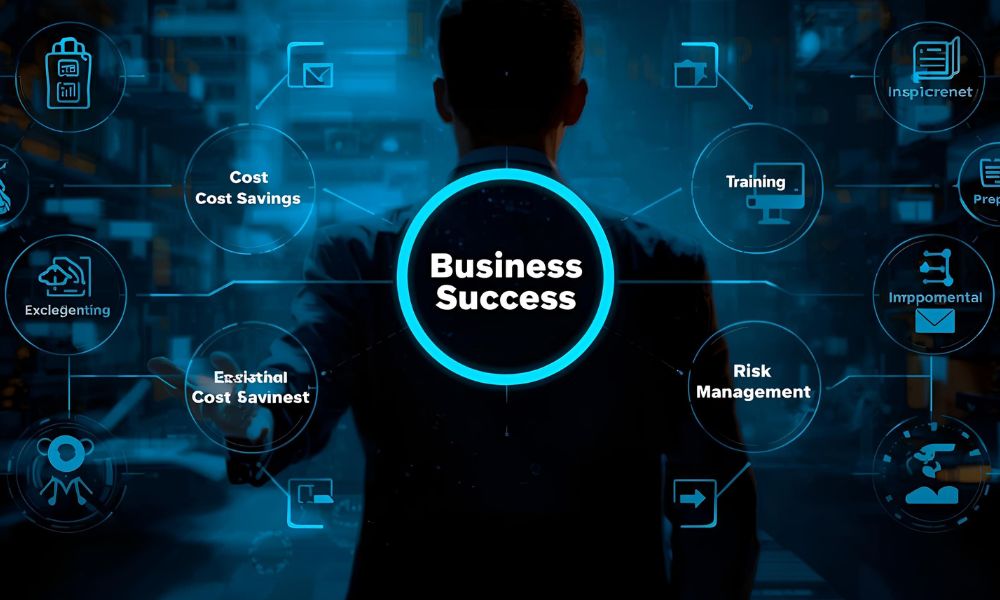
In today’s rapidly changing global business environment, innovation is required in order to remain competitive. One major contributors to enterprise success is procurement: The process of obtaining goods, services or works from an external source. It is about demand planning, buying and payment authorization. Given the sophistication of current supply chains, purchasers need to have a wide range of skills in order to make purchases that are consistent with operational as well as strategic objectives. Training in sourcing arms professionals with the knowledge and tools to successfully navigate buying efforts and suppliers. This article tells the tales of a secret career-building weapon and shows why it pays for organizations to invest in their teams.
What is Procurement Training?
Procurement training can be defined as the formal process by which professionals acquire purchasing and procurement knowledge. It includes topics from sourcing to managing suppliers, negotiating contracts, risk management and responsible suppliers. Training courses in procurement are aimed at giving professionals the skills to effectively perform the procurement function and ensure it is contributing to organisational goals.
“Procurement”, though it may sound to some people like buying vomity toilet roll, is a whole lot more complicated than that. Good procurement means a good business buys the goods or services it needs well, pays the right price and can develop positive relationships with suppliers and reduces the risks that come hand in hand with supply chain problems. It is an essential component of the procurement function, as purchasing professionals play a pivotal role in ensuring their organizations receive value for money, while selectin a supplier.
The Importance of Procurement Training
Procurement plays a pivotal role in an organization’s overall strategy. An optimized procurement function can lead to cost savings, improved efficiency, and better supplier relationships, all of which contribute to long-term success. Below are the key reasons why procurement training is essential for both professionals and organizations:
Enhanced Cost Management
One of the primary goals of procurement is cost reduction. Procurement professionals are responsible for sourcing goods and services at the best price, considering not only the purchase price but also factors such as transportation, storage, and potential risks. It helps individuals better understand how to evaluate total costs and develop strategies to negotiate better deals with suppliers, ultimately helping companies to reduce overall expenses.
Improved Supplier Relationship Management
Building and maintaining good relationships with suppliers is crucial for businesses, as it can lead to more favorable terms, consistent supply, and the ability to adapt to changing market conditions. Procurement training provides the tools to manage these relationships effectively by teaching strategies for communication, conflict resolution, and collaboration. Strong supplier relationships can also lead to innovations in product development and supply chain optimization.
Risk Mitigation and Compliance
Procurement activities are often fraught with risks, from fluctuating market prices to supply chain disruptions. Additionally, procurement professionals must ensure compliance with regulations, industry standards, and company policies. Procurement training helps professionals identify potential risks, such as quality control issues, geopolitical factors, and market volatility, and implement strategies to mitigate them. Furthermore, it equips professionals with the knowledge to adhere to legal requirements, such as contract laws and environmental regulations.
Strategic Decision-Making
Procurement is no longer a transactional function; it’s a strategic one. Professionals involved in procurement must consider long-term goals, sustainability, and the impact of purchasing decisions on overall business success. Procurement training offers an in-depth understanding of how to align procurement activities with an organization’s strategic objectives, whether that’s entering new markets, improving sustainability practices, or enhancing product quality.
Increased Efficiency and Productivity
Procurement training equips professionals with tools and strategies that streamline the procurement process. By learning about best practices, technology solutions, and process improvements, procurement staff can handle purchasing tasks more efficiently. This increase in productivity can free up valuable time for strategic thinking and more complex problem-solving tasks.
Types of Procurement Training
Procurement training comes in various formats, each catering to different learning styles and professional needs. Here are some of the common types of procurement training available:
Online Procurement Training
Online procurement courses have become increasingly popular due to their flexibility and convenience. Professionals can access training materials from anywhere and at any time, making it ideal for individuals with busy schedules. Online training often includes webinars, video tutorials, interactive quizzes, and case studies. Many online platforms also offer certification upon completion, which can help professionals advance their careers.
Classroom-Based Procurement Training
Traditional classroom-based training is another popular option for organizations that want to invest in face-to-face learning. These courses are often led by industry experts who can provide valuable insights, real-world examples, and group discussions. Classroom-based training also encourages networking and collaboration with peers, making it a great option for those who prefer hands-on learning and personal interaction.
Workshops and Seminars
Workshops and seminars are short-term, intensive training sessions that focus on specific procurement topics or skills. These events typically involve interactive exercises, group discussions, and expert speakers. Workshops and seminars are great for professionals looking to dive deep into a particular area, such as negotiation tactics, risk management, or contract law.
Corporate Procurement Training Programs
Many organizations opt for tailored, in-house training programs for their procurement teams. These programs are customized to the organization’s specific needs and objectives, ensuring that employees receive relevant and practical training. Corporate training can address company-specific challenges and align procurement practices with organizational goals. Additionally, it fosters team-building and ensures that everyone is on the same page regarding procurement standards and processes.
Certification Programs
Procurement certification programs are formal educational programs designed to test and validate a professional’s knowledge and skills in procurement. Many respected organizations, such as the Institute for Supply Management (ISM), Chartered Institute of Procurement and Supply (CIPS), and the National Institute of Governmental Purchasing (NIGP), offer certification programs. These programs often require candidates to pass an exam and demonstrate a certain level of experience in procurement. Obtaining certification can significantly enhance a professional’s credibility and career prospects.
Benefits of Procurement Training for Organizations
Investing in procurement training offers numerous advantages for organizations, leading to enhanced performance, cost savings, and improved relationships. By equipping teams with the right skills and knowledge, organizations can streamline their procurement processes and ensure long-term success. The following benefits highlight the value of procurement training:
- Increased Cost Savings: Well-trained procurement teams can negotiate better deals, evaluate total costs, and optimize purchasing decisions, resulting in significant cost savings.
- Improved Procurement Efficiency: Training helps teams adopt best practices and utilize modern technologies, reducing cycle times and errors while speeding up decision-making.
- Stronger Supplier Relationships: A skilled procurement team can build stronger, more positive relationships with suppliers, leading to better quality, favorable terms, and improved service delivery.
- Better Risk Management: Procurement training enhances the team’s ability to identify and manage risks, such as supply chain disruptions and compliance challenges.
- Compliance with Regulations: Trained professionals ensure the organization meets legal and regulatory requirements, reducing the risk of violations.
Conclusion
Procurement training is a vital investment for both professionals and organizations. It empowers procurement teams to make informed, strategic decisions that contribute to the overall success of the business. By enhancing skills in areas such as cost management, supplier relationship building, risk mitigation, and compliance, procurement training helps organizations stay competitive in a complex, ever-evolving market. Whether through online courses, classroom-based programs, or tailored corporate training, procurement education is essential for navigating the intricacies of modern supply chain management.
If you’re looking to enhance your procurement skills or improve your organization’s procurement function, investing in procurement training can be the key to unlocking new opportunities for cost savings, efficiency, and long-term success.




2 thoughts on “The Importance of Procurement Training for Business Success”
Comments are closed.