
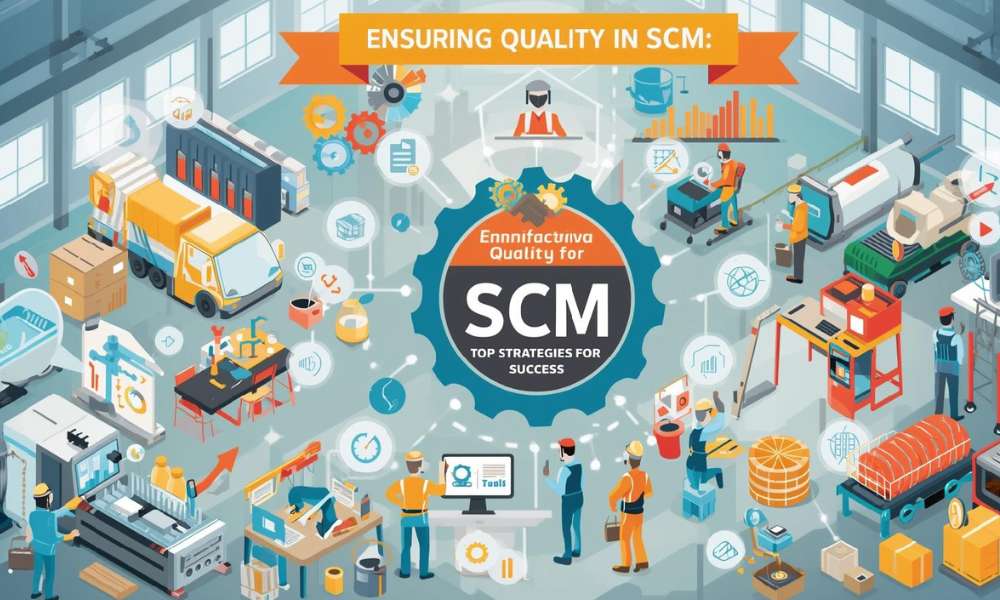
The spine of every successful business is supply chain management (SCM). The intricacies involved in the back-end logistics of processes, resources and partners requires co-ordination to move products from its production line right till the point it becomes an off-the-shelf commodity for consumers. Maintaining high-quality standards across this supply chain is critical for customer satisfaction, cost savings, and preserving brand power.
But maintaining quality in supply chains can be difficult, especially when there are several suppliers, manufacturers and logistics companies involved. This piece will examine how quality can be guaranteed throughout supply chain management, as well as offering insights and practical steps for businesses at every level.
What is Quality in the Supply Chain?
The issue of quality in the supply chain is a multi-dimensional problem. It’s not just about the end product, but entails everything from sourcing raw materials to delivering a product. Supply chain quality refers to product dependability, delivery timeliness and the effectiveness of the various supply chain stages. It also adheres to international standards and customer preferences.
The first step to improvement is understanding what quality means in the supply chain. Quality Focus Quality focus is extremely important so that, businesses can fulfill the growing needs of customers and reduce operational wastes. A broader definition of quality can support more robust supply chain By adopting a system-wide concept of quality, the businesses can also help develop a stronger and more resilient supply ecosystem.
Why quality control matters for your supply chain’s success
Quality control is the concept that focuses on product and service excellence. In supply chain and distribution management, quality control prevents errors or defects or delays. If well-executed, quality control not only increases productivity and reduces waste, but also helps with customer satisfaction. On the contrary, low quality can be to product recalls, reputation loss and fragmented costs.
Quality assurance is of even greater importance in local markets, since the end user will impacted by its absence.
For instance, a small business purchasing from local suppliers must be confident that goods are as expected in order to establish trust and grow that customer relationship long-term. QC reduces risks and leads to better decision-making Whether is food products or high-end electronics, maintaining quality is essential.
Quality and Its Importance in Customer Satisfaction and Business Growth
The quality of goods and services is directly proportional to customer satisfaction. In supply chain world, the performance is demand and customer must be met and exceeded. For a product to be late, damaged or substandard affects not just customer satisfaction, but the future growth prospects of the company. The ultimate way to increase customer loyalty is by building quality into the supply chain, from storage in your warehouse to delivery to the end user.
Furthermore, companies that continuously generate products of superior quality are apt produce repeat consumers and receive good reviews. This quality reputation is a competitive differentiator in the market and leads to growth with increasing share. In local distribution systems, sales are often determined by word-of-mouth meaning the focus on quality can bring closer community and brand recognition.
Essential Ingredients And Components Of Supply Chain Management
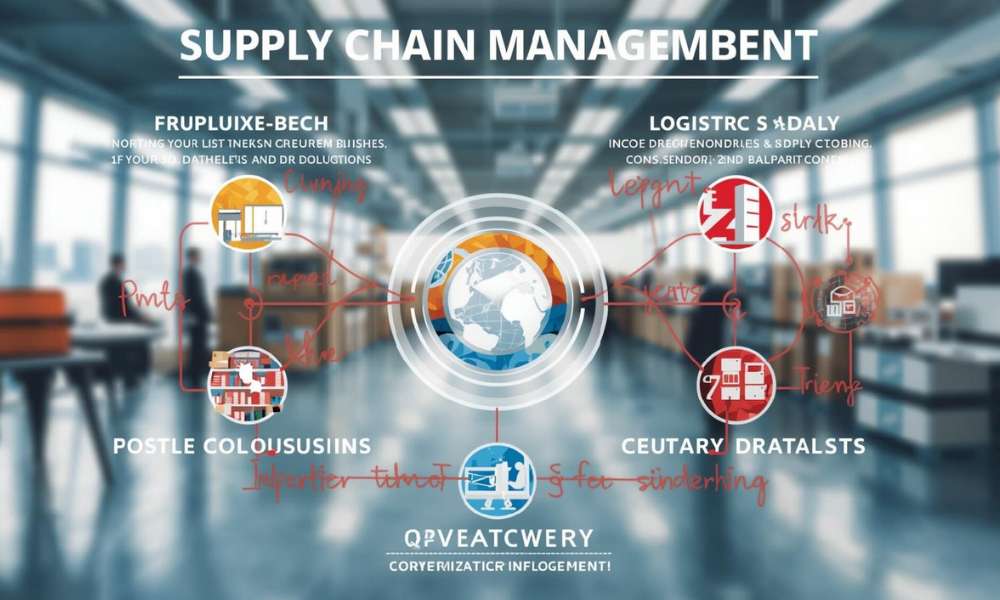
Supply chain management is comprised of certain core components that operate together to lead to consistent consumer satisfaction. These include:
Sourcing
Supplier and raw material selection. Quality begins at materials, which is why high standards are constantly met in order to provide the best products that can be offered.
Manufacturing
Quality control in the manufacturing process ensures that 4 products are produced according to standard and that variations from this standard are kept well within tolerances.
Logistics and Distribution
Delivery on time and proper handling in transit to ensure the highest quality. The partners in the supply chain have to work very closely to make operations fluent and efficient.
Retail and Customer Service
The last mile in the supply chain where customer experience is made. During this phase, the QA guarantees products are delivered in good shape and customer service is prompt to address any concerns.
Building a Quality-First Supply Chain
To ensure quality in supply chain management, businesses must first create a culture that prioritizes it. A quality-first approach requires everyone within the organization to understand the importance of quality and how it impacts the broader supply chain. This means:
- Leadership Commitment: Leaders must champion quality initiatives, demonstrating the commitment to quality at all levels of the supply chain.
- Employee Engagement: Employees should be well-trained and encouraged to take ownership of their roles in quality assurance. This helps reduce errors and increases accountability.
- Supplier Collaboration: It is vital to work closely with suppliers to ensure that they are committed to meeting the same quality standards. Regular communication and clear expectations will help build a strong, quality-oriented relationship.
Fostering a quality-first mindset throughout the supply chain will lead to higher efficiency, reduced errors, and a stronger competitive edge in the market.
The Role of Suppliers in Quality Control
Suppliers are an essential part in maintaining quality throughout the supply chain. They are required to deliver raw materials and production parts, which will ultimately be processed into products. Strong supplier relationships are essential to maintaining quality over time.
Setting clear expectations, ongoing communication with suppliers and regular audits can help to keep these standards in place. Businesses may also wish to enter into performance-based contracts that compensate suppliers for achieving quality standards and provide incentives for continuous process improvement.
Standards and certifications of quality in supply chains
There are many quality systems and certifications that businesses can adopt to show their dedication to quality in the global market. Some well known certifications, such as ISO 9001 and Six Sigma, give recommendations how to manage quality management systems (their procedures)?with the goal of making organizations more efficient.
Beyond the business recognition, obtaining these certifications helps cut costs and lets all stakeholders work based on the best-practice quality-management processes. Customers may also gain confidence that products they purchase meet high quality standards by following these regulations.
Measuring Quality in the Supply Chain
To ensure quality is consistently maintained, it is important to measure it at each stage of the supply chain. Key performance indicators (KPIs) help track the effectiveness of quality initiatives. Some common KPIs in supply chain management include:
- On-Time Delivery: Ensures that products arrive as promised, maintaining customer satisfaction.
- Defect Rate: Measures the percentage of products that fail to meet quality standards.
- Order Accuracy: Tracks the accuracy of order fulfillment, ensuring that customers receive the items they have ordered.
By regularly tracking and analyzing these KPIs, businesses can identify areas for improvement and take corrective action when necessary.
Continuous Improvement and Risk Management
In the dynamic world of supply chain management, continuous improvement is key. Regular quality audits, process evaluations, and employee feedback help identify bottlenecks or areas of inefficiency. Using methodologies like Total Quality Management (TQM) and Six Sigma. Businesses can implement ongoing improvements that drive better performance and higher quality.
Risk management is also crucial in maintaining quality. Identifying potential risks such as supplier failures or logistics delays and putting in place contingency plans helps minimize disruptions and ensures that quality remains high even during unforeseen challenges.
Conclusion
Ensuring quality in supply chain management is not a one-time effort; it requires ongoing commitment and a holistic approach. From sourcing and manufacturing to logistics and customer service, each phase of the supply chain plays a vital role in delivering products that meet or exceed customer expectations. By prioritizing quality, building strong supplier relationships, and utilizing best practices in risk management and continuous improvement, businesses can create a supply chain that delivers high-quality products consistently. In today’s competitive market, quality is not just a goal it is the foundation of long-term success and growth.