
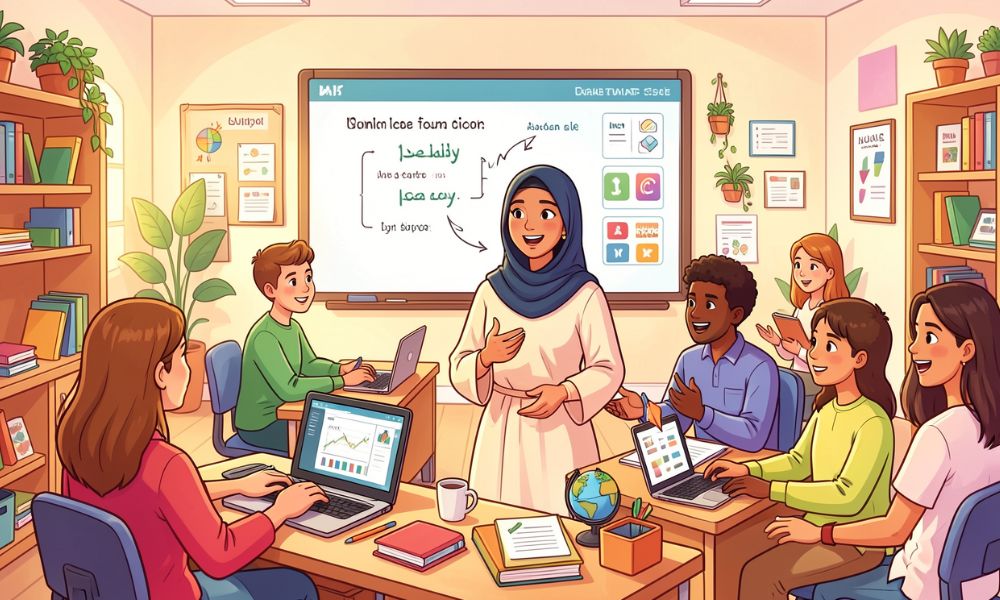
Communicating well, of course, is more than just talking or writing clearly. It is a fundamental human skill that connects people, cultures and organizations. Whether you seek to perform better at work, create closer bonds with your loved ones, or just master everyday exchanges, boosting your communication skills will open up new possibilities for you in life. If you want to develop these skills, then courses for improving Communication skills would be the golden route towards your fame. These programsT are designed to train you in how to communicate in a systematic manner teaching various aspects from public speaking and effective listening skills to the nuances of non-verbal communication.
Why Communication Skills Matter
Communication is the core of virtually all human interactions. At work, it affects everything from job performance to career advancement. A clear thinker can be the difference between success and failure for a person as it allows you to articulate your position, convince other people about the superiority of your reasoning and work with others. On a personal note, good communication skills can strengthen relationships, enrich social interactions and even bolster mental health by minimizing misunderstandings and conflict. In whatever environment we live, the ability to convey information clearly and with impact, is an empowering tool that can open any door.
Courses to Improve Communication Skills: What You Will Enjoy
To be enrolled in classes specifically created to develop communication skills, brings a variety of occasions and methods that can be demanded promptly in life situations. They train individuals on clear messaging, but they also help them improve active listening, reading body language and maintaining engagement in conversations. Here are some of the key ingredients you will learn:
- Public Speaking: Gain confidence in presenting ideas in front of others.
- Active Listening: Understand the importance of listening attentively to foster effective dialogue.
- Non-verbal Communication: Learn how gestures, facial expressions, and posture influence the message.
- Conflict Resolution: Develop the tools to handle disagreements professionally and constructively.
By honing these areas, individuals can confidently tackle challenges both in their personal and professional lives, ensuring that their messages are heard and understood.
How to Choose the Right Communication Course
With a myriad of communication courses available, choosing the right one can feel daunting. It’s important to consider your specific needs, learning style, and goals. Some courses focus on public speaking for those looking to enhance their presentation abilities, while others delve deeply into negotiation or conflict resolution skills. Look for courses that offer interactive elements, allowing you to practice what you learn in a supportive environment. Many online platforms provide flexibility, enabling you to take classes at your own pace. On the other hand, in-person workshops can offer hands-on experience and real-time feedback, which may be more beneficial for those who thrive in direct engagement.
Additionally, assess the credentials of the instructors and the reputation of the institution offering the course. Real-world experience and a proven track record can be indicative of the course’s quality and the expertise of the instructors. Whether you’re aiming for a general communication course or one tailored to specific needs, such as leadership or cross-cultural communication, ensure that it aligns with your aspirations.
The Benefits of Enrolling in Communication Skills Courses
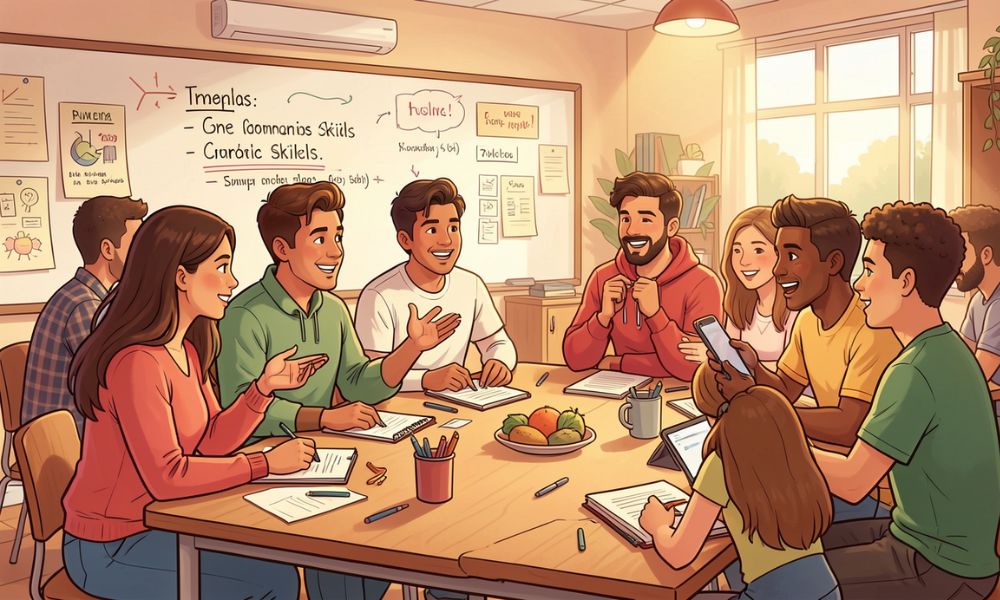
The value of enrolling in courses to improve communication skills cannot be overstated. These courses provide not just theoretical knowledge but also practical experience, allowing you to refine your skills over time. Here are some key benefits:
Improved Professional Relationships
As communication improves, so do collaborations and professional relationships. Clear communication fosters trust and reduces workplace misunderstandings.
Increased Confidence
As you practice and hone your skills, you’ll find yourself more confident in speaking, presenting, and engaging with others, both in professional and social situations.
Enhanced Personal Relationships
Strong communication is the bedrock of any successful personal relationship. By understanding how to listen and speak effectively, you can deepen your connections with family, friends, and romantic partners.
Career Advancement
Whether you’re in management or entry-level positions, excellent communication skills are often a key factor in promotions and new opportunities.
Beyond these immediate benefits, communication skills can improve mental clarity and emotional intelligence, making you more empathetic and aware of the nuances in social interactions.
Overcoming Common Communication Challenges
Certain individuals are born with a talent for public speaking, but the majority of people struggle here. The same is true of overcoming common issues like public speaking anxiety, expressing thoughts clearly to the extent you can, problems actively listening in a conversation or a million other things we all struggle with.
Courses that address these pain points can provide specific solutions. For example, public speaking classes usually teach you how to calm your nerves, organize speech content and engage with listeners. Conversely, listening skills courses teach how to devote one’s full attention on the speaker, ask relevant questions and respond accordingly.
Additionally, non-verbal communication courses examine how body language can enhance or detract from verbal communication. It is common for speaker’s body language of posture or expression to convey a different meaning from their words. Finding and fixing these discrepancies can allow people communicate with more authenticity.
Practical Applications of Communication Skills
They say communication skills are tested in practicality. A communication course should have abundant opportunities for practice in diverse situations. This could be anything from mock presentations, role-playing to group discussions For example, someone studying conflict resolution might practice simulated negotiation, honing their ability to articulate their point of view while recognizing the other party’s points of concern. Those who are working on public speaking can also practice recording themselves and getting feedback in a constructive way.
Through these interactive sessions, the teachings become less abstract and instead a constant reminder of the need to develop more skills.
Conclusion
Courses to improve communication skills offer a transformative path to enhancing both personal and professional interactions. By refining your ability to listen, speak, and convey messages through various mediums, you open doors to new opportunities, build stronger relationships, and increase your overall effectiveness. Whether you choose online courses or in-person workshops, taking the time to develop these essential skills is an investment that pays off in countless ways. The power of effective communication is undeniable, and with the right guidance, anyone can master it.


2 thoughts on “Enhance Your Communication Skills with Top Courses”
Comments are closed.