
Cost control is more critical than ever in today’s competitive business landscape. Whether you’re running a small startup or managing a large enterprise in the United Kingdom, effective cost control can be the difference between profitability and financial struggle. This comprehensive guide explores practical strategies that UK businesses can implement to reduce expenses, improve operational efficiency, and boost their bottom line.
—
## Understanding Cost Control
Cost control refers to the process of monitoring, analyzing, and managing business expenses to ensure they remain within budget parameters while maintaining operational effectiveness. Unlike cost cutting, which often sacrifices quality and efficiency, cost control is a strategic approach that maintains business value while eliminating waste.
For UK businesses, understanding the regulatory environment—including VAT, corporation tax, and employment law—is crucial when implementing cost control measures. The cost of compliance alone can represent a significant portion of a business’s budget, making effective cost management essential.
—
## 1. Implementing a Comprehensive Budgeting System
The foundation of effective cost control is a robust budgeting system. This involves:
### Zero-Based Budgeting
Rather than basing this year’s budget on last year’s spending, zero-based budgeting requires justifying every expense from scratch. This approach is particularly effective for UK businesses looking to eliminate outdated expenses or redundant processes that may have accumulated over time.
### Activity-Based Budgeting
Allocate resources based on specific business activities. This method helps identify which departments or projects consume the most resources and whether that allocation aligns with business priorities.
### Rolling Forecasts
Implement a rolling 12-month forecast that adjusts monthly, replacing the traditional static annual budget. This keeps your budget current and responsive to market changes, which is particularly important for UK businesses navigating economic uncertainty.
—
## 2. Optimize Supply Chain and Procurement
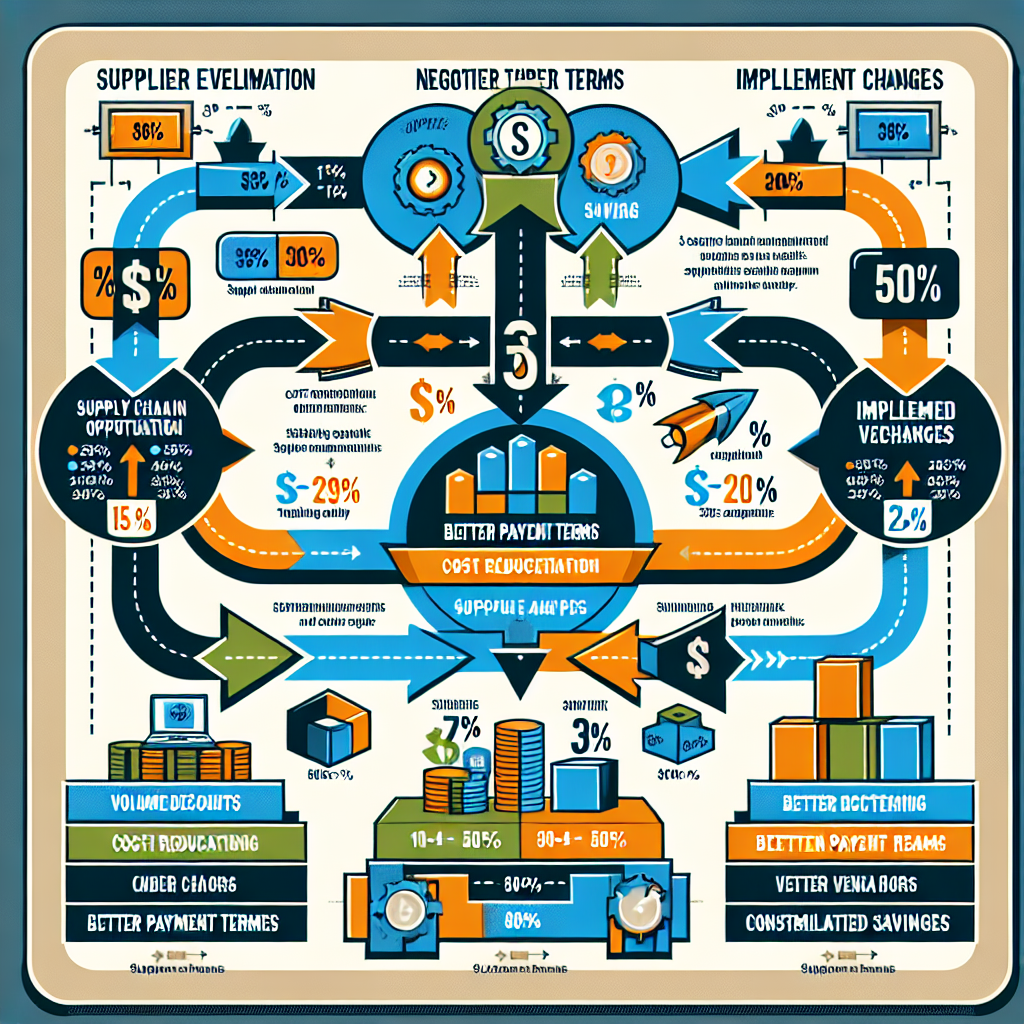
Your supply chain represents one of the largest cost centers in most businesses. To optimize it:
### Negotiate Better Terms
Work with suppliers to negotiate volume discounts, extended payment terms, or exclusive partnerships. Understanding [strategic sourcing methodology for supply chain optimization](https://www.epw.com/blog/courses/what-is-strategic-sourcing-in-supply-chain-management) can help evaluate and manage your organization’s purchasing decisions more effectively.
### Consolidate Vendors
Reduce the number of suppliers to increase leverage and negotiating power. This also simplifies procurement processes and reduces administrative costs.
### Implement Inventory Management Systems
Use just-in-time inventory practices to minimize holding costs while ensuring you maintain adequate stock levels. Modern inventory systems can automatically flag slow-moving items for clearance.
### Evaluate Total Cost of Ownership
Don’t just compare unit prices—consider delivery costs, quality, reliability, and long-term relationship benefits.
—
## 3. Streamline Operations and Eliminate Inefficiencies
Operational efficiency directly impacts your bottom line. Consider these approaches:
### Process Automation
Automate repetitive, low-value tasks such as invoicing, payroll processing, and report generation. Automation reduces human error and frees staff to focus on higher-value activities.
### Lean Management
Implement lean principles borrowed from manufacturing to eliminate waste across your organization. This includes removing non-value-added steps from processes, reducing handoffs, and optimizing workflows.
### Energy Efficiency
With rising energy costs across the UK, investing in energy-efficient equipment, LED lighting, and smart building systems can yield significant savings. Many businesses recover the upfront investment within 2-3 years.
### Facility Optimization
Review whether your office space is being used efficiently. Consider hot-desking, hot-working spaces, or consolidating multiple locations to reduce rent and overhead costs.
—
## 4. Manage Labor Costs Effectively
Labor typically represents the largest expense for service-based businesses. To control these costs:
### Right-Sizing Your Workforce
Regularly assess whether your staffing levels match business needs. Consider outsourcing non-core functions or using temporary staff for seasonal peaks rather than maintaining permanent headcount.
### Performance Management
Implement systems to measure and reward productivity. Employees who understand how their performance impacts business outcomes are more likely to work efficiently.
### Training and Development
Invest in employee training to improve skills and productivity. Well-trained employees make fewer mistakes, work faster, and require less supervision.
### Competitive Compensation
Pay competitive but not excessive salaries. Regular market analysis ensures you’re not paying significantly more than your competitors for similar roles, which is important for retaining staff while managing labor costs.
—
## 5. Leverage Technology and Digital Transformation
Modern technology offers numerous opportunities to reduce costs:
### Cloud-Based Services
Migrate from expensive on-premise servers to cloud-based solutions. This reduces capital expenditure, maintenance costs, and IT staffing requirements.
### Business Intelligence Tools
Implement analytics tools to gain visibility into spending patterns, identify cost anomalies, and track key performance indicators in real time.
### Remote Work Infrastructure
Leverage remote and hybrid work arrangements to reduce facility costs while potentially improving employee satisfaction.
### Software Optimization
Conduct regular audits of your software licenses. Many organizations pay for unused software or fail to take advantage of volume discounts.
—
## 6. Develop a Cost-Conscious Culture
Cost control isn’t just an accounting function—it requires buy-in from the entire organization:
### Communicate Goals
Ensure all employees understand the company’s cost control objectives and how they can contribute.
### Empower Employees
Give staff the authority to suggest and implement cost-saving ideas. Front-line employees often have the best insights into operational inefficiencies.
### Regular Reviews
Hold monthly cost reviews with department managers to track spending against budget and address any significant variances.
### Recognition Programs
Recognize and reward employees and departments that achieve cost savings targets.
—
## 7. Manage Cash Flow Strategically
Effective [cash flow management is essential for controlling costs and maintaining financial health](https://www.epw.com/blog/courses/cash-flow-management-training-courses):
### Optimize Receivables
Accelerate customer payments by offering early-payment discounts, implementing automated invoicing, and improving collection procedures.
### Manage Payables Strategically
Negotiate payment terms with suppliers while maintaining good relationships. Paying bills on time is important, but taking full advantage of payment terms reduces your cash outflow.
### Forecast Cash Flow
Regular cash flow forecasting helps you anticipate cash shortfalls and take preventive action before problems arise.
### Reduce Working Capital
Minimize the cash tied up in operations by optimizing inventory levels, accelerating receivables collection, and managing payables strategically.
—
## 8. Focus on Quality and Prevention
Sometimes spending more upfront prevents larger expenses later:
### Preventive Maintenance
Regular maintenance of equipment and facilities prevents costly breakdowns and emergency repairs.
### Quality Control
Investing in quality processes reduces the cost of rework, returns, and customer complaints.
### Compliance and Risk Management
Properly managing compliance and risk prevents costly fines, legal disputes, and reputational damage. This is increasingly important in the UK regulatory environment.
—
## Key Performance Indicators for Cost Control
Track these metrics to monitor your cost control efforts:
| KPI | Purpose |
|—–|———-|
| **Cost as a Percentage of Revenue** | Track total costs relative to income to identify spending trends |
| **Departmental Cost Efficiency** | Monitor cost per unit of output for each department |
| **Cost of Goods Sold (COGS)** | Indicates production efficiency when measured as a percentage of revenue |
| **Operating Expense Ratio** | Measures overhead costs relative to revenue |
| **Inventory Turnover** | Higher turnover indicates efficient inventory management |
| **Cash Conversion Cycle** | Measures how long it takes to convert investments back into cash |
—
## Challenges Specific to UK Businesses
UK businesses face unique cost pressures:
### Compliance and Regulatory Costs
Meeting UK tax requirements, employment laws, and data protection regulations requires investment in compliance infrastructure.
### Brexit Impact
Supply chain disruptions, customs procedures, and tariffs have increased costs for many UK businesses, particularly those involved in cross-border trade.
### Energy Costs
The UK has experienced significant increases in energy costs, affecting both operations and customer service delivery costs.
### Wage Inflation
Competition for skilled workers and rising minimum wages have increased labor costs, particularly in London and the southeast.
—
## Recommended Professional Development
To develop expertise in cost control strategies, consider enrolling in specialized training programs:
### 1. Financial Management Courses
Comprehensive [financial management training for business leaders](https://www.epw.com/blog/courses/financial-management-course) equips finance professionals with the knowledge to manage money effectively, understand financial statements, and make data-driven financial decisions.
### 2. Cash Flow Management Training
Essential [cash flow management training for small business owners](https://www.epw.com/blog/courses/cash-flow-management-training-courses) teaches how to forecast cash flow accurately, manage working capital, and maintain adequate liquidity for operations and growth.
### 3. Construction Project Management and Budgeting
For businesses in the construction sector, [specialized construction project management training](https://www.epw.com/blog/courses/construction-project-management-training-courses) ensures projects stay within financial parameters while maintaining quality standards.
—
## Implementing Your Cost Control Strategy
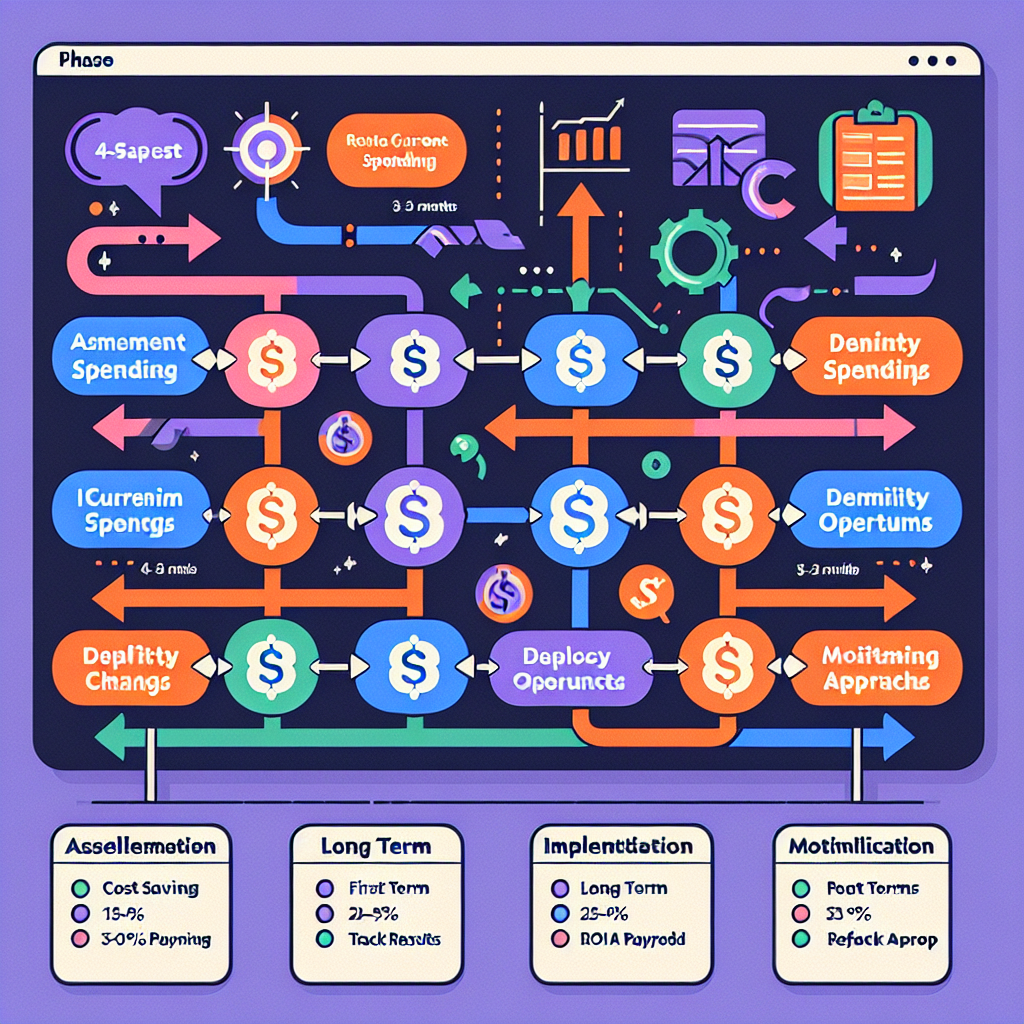
Successful cost control requires a structured approach:
### Phase 1: Assessment
Conduct a comprehensive review of current spending across all departments and functions. Analyze where your money is going and identify areas of potential waste or inefficiency.
### Phase 2: Planning
Identify specific cost control opportunities and set realistic targets. Prioritize initiatives based on potential impact and feasibility of implementation.
### Phase 3: Implementation
Deploy changes systematically, starting with quick wins that build momentum. Ensure clear communication and training for all staff involved in new processes.
### Phase 4: Monitoring
Establish tracking systems and hold regular reviews to ensure initiatives deliver results. Use key performance indicators to measure success and identify areas needing adjustment.
### Phase 5: Optimization
Continuously refine your approach based on results and changing business conditions. Learn from successes and failures to enhance your cost control strategy over time.
—
## Conclusion
Cost control is not about cutting corners or compromising quality—it’s about working smarter, eliminating waste, and ensuring every pound spent delivers value. For UK businesses, implementing comprehensive cost control strategies can significantly improve profitability, strengthen financial resilience, and provide competitive advantage.
The key to success is approaching cost control strategically, involving your entire organization, and using modern tools and techniques to maintain visibility and control. By implementing the strategies outlined in this guide and continuing to develop your expertise through [professional financial management courses](https://www.epw.com/blog/courses/financial-management-course), you can transform cost control from a reactive accounting function into a proactive business strategy that drives sustainable profitability.
Start today by assessing your current spending patterns, identifying quick wins, and developing a comprehensive cost control plan tailored to your specific business needs. The investment in proper cost control will pay dividends for years to come.