
Modern businesses depend on third-party suppliers for raw materials and specialised services. These providers help firms simplify processes but pose particular hazards. Third-party supplier risks may hurt your bottom line due to financial instability, operational delays, and compliance difficulties.
Businesses are increasingly using risk management solutions to handle these risks. These tools help companies assess, monitor, and mitigate potential risks before they become costly problems. With so many possibilities, how do you choose the right platform for your business?
This article will cover the best third-party supplier risk management systems, including major features and practical advice for picking one for your firm.
What is a Risk Management Platform for Third-Party Suppliers?
A risk management platform is a software solution designed to help businesses identify, assess, and manage the risks associated with third-party suppliers. These platforms use data and automated systems to track supplier performance, ensure compliance with regulations, and monitor for any signs of financial or operational instability.
The right platform can help businesses avoid costly disruptions, legal issues, and reputational damage by providing real-time alerts and insights.
Key Features to Look for in a Risk Management Platform
Choosing the right risk management platform is crucial for protecting your business from third-party supplier risks. Here are the essential features to consider when evaluating platforms:
1. Risk Identification and Assessment Tools
The platform should allow you to easily identify various risks related to suppliers whether operational, financial, compliance, or reputational and assess their potential impact on your business. Prioritizing risks based on severity ensures you address the most urgent threats first.
2. Real-Time Monitoring and Alerts
A powerful risk management platform provides continuous monitoring of your suppliers. Real-time alerts notify you immediately if a supplier falls behind on performance or if there’s any financial or compliance-related issue that could affect your business.
3. Supplier Compliance Tracking
Compliance is a critical area of risk. Your platform should track whether your suppliers are adhering to relevant regulations, industry standards, and ethical practices. This feature ensures that you remain compliant with laws, reducing the risk of fines and penalties.
4. Performance Reporting and Dashboards
Comprehensive reporting tools give you a visual snapshot of your supplier’s risk status. Customizable dashboards allow you to track key performance indicators (KPIs) and assess the overall health of your supplier relationships.
5. Data Security and Encryption
Since these platforms handle sensitive data about both your suppliers and your business, it’s essential that they offer robust security features. Look for platforms that provide end-to-end encryption and secure data storage to protect confidential information.
Common Risks in Third-Party Supplier Relationships
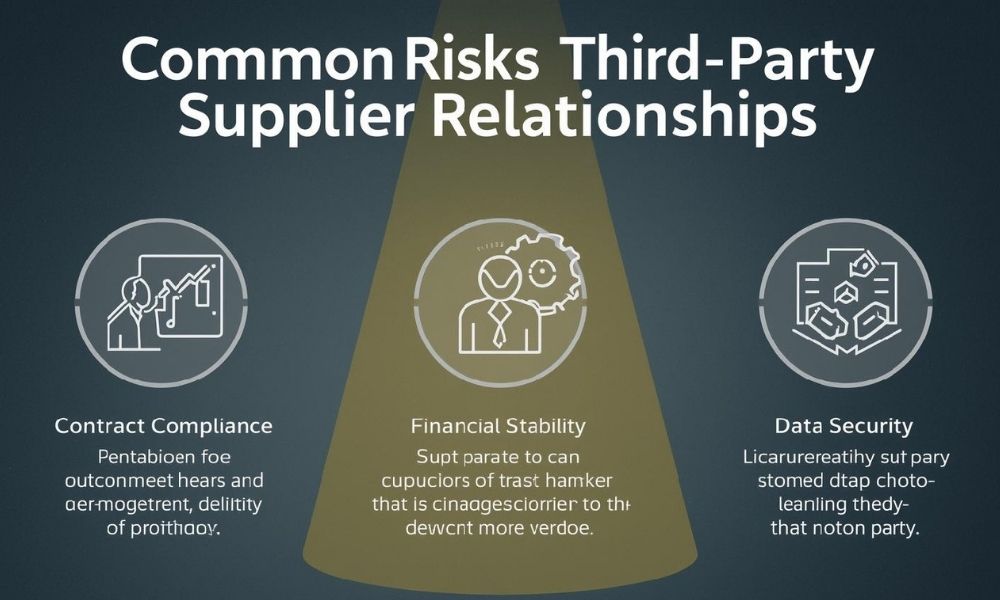
Third-party suppliers can introduce various risks that need to be effectively managed to protect your business. Understanding these risks is crucial for maintaining smooth operations and safeguarding your company’s future.
- Operational Risks: These risks arise when suppliers fail to meet quality standards or deliver on time. Delays or disruptions in the supply chain can lead to missed deadlines and production setbacks.
- Financial Risks: Financial instability, such as cash flow issues, bankruptcies, or late payments, can jeopardize your operations. This risk is particularly significant if you depend on a single supplier for critical resources.
- Compliance and Legal Risks: Non-compliance with regulations can result in fines, legal fees, and damage to your reputation. This risk is heightened when operating in multiple regions with varying laws and requirements.
- Reputational Risks: A supplier’s unethical practices such as poor labor conditions or environmental violations can negatively impact your brand’s reputation, especially as consumers prioritize ethics and sustainability in their purchasing decisions.
- Cybersecurity Risks: Suppliers with access to sensitive data can become targets for cyberattacks. A breach in their security could expose your business to data theft, fraud, or other cybercrimes.
How Risk Management Platforms Mitigate These Risks
A reliable risk management platform can help mitigate these risks by providing the tools needed to monitor and manage supplier performance continuously. Here’s how these platforms help businesses minimize risks:
Early Risk Detection
By continuously monitoring your suppliers, these platforms can detect issues early, whether it’s a drop in performance or signs of financial instability. Early detection allows you to address risks before they escalate into larger, more costly problems.
Proactive Risk Mitigation
The platform can help you create risk mitigation strategies based on real-time data. For example, if a supplier is flagged for non-compliance with industry standards, you can take corrective actions before it affects your business operations.
Improved Supplier Relationships
Using a risk management platform can help foster better relationships with suppliers. By monitoring performance and compliance, both you and your suppliers can address issues collaboratively, ensuring smooth, long-term partnerships.
Choosing the Right Risk Management Platform for Your Business
When choosing a risk management platform for third-party suppliers, it’s essential to consider key factors that align with your business’s specific needs. These considerations will ensure efficiency, usability, and value.
- User-Friendliness: The platform should have an easy-to-navigate interface. A simple, intuitive design will encourage adoption by your team, avoiding frustration and ensuring smoother implementation across the organization.
- Integration Capabilities: Look for a platform that seamlessly integrates with your current business systems, such as ERP and CRM tools. This integration allows for smoother data sharing, improving workflow efficiency and minimizing manual input.
- Customization: Every business has distinct needs. A customizable platform allows you to tailor risk assessments, reports, and alerts to fit your specific requirements, helping you focus on the most relevant risk factors.
- Cost-Effectiveness: While it’s important to choose a feature-rich platform, ensure that the cost aligns with your budget. A good platform offers the necessary functionalities without unnecessary add-ons that may inflate the price.
The Importance of Risk Management for Third-Party Suppliers
Effective third-party supplier risk management is not just about identifying and managing risksit’s about ensuring your business’s long-term stability and success. By implementing a comprehensive risk management platform, businesses can safeguard themselves against potential disruptions, legal issues, and reputational damage.
Moreover, these platforms offer transparency and efficiency, which leads to stronger supplier relationships and greater overall supply chain security.
Conclusion
The importance of choosing the right risk management platform for third-party suppliers cannot be overstated. A platform with the right features real-time monitoring, risk assessment tools, compliance tracking, and performance reporting can significantly reduce the risks associated with third-party suppliers.
By investing in a reliable platform, you’re not only protecting your business from potential threats but also improving operational efficiency and fostering stronger supplier relationships. Take the time to evaluate your options carefully, and select the platform that best fits your business’s needs to ensure a secure, compliant, and efficient supply chain.