
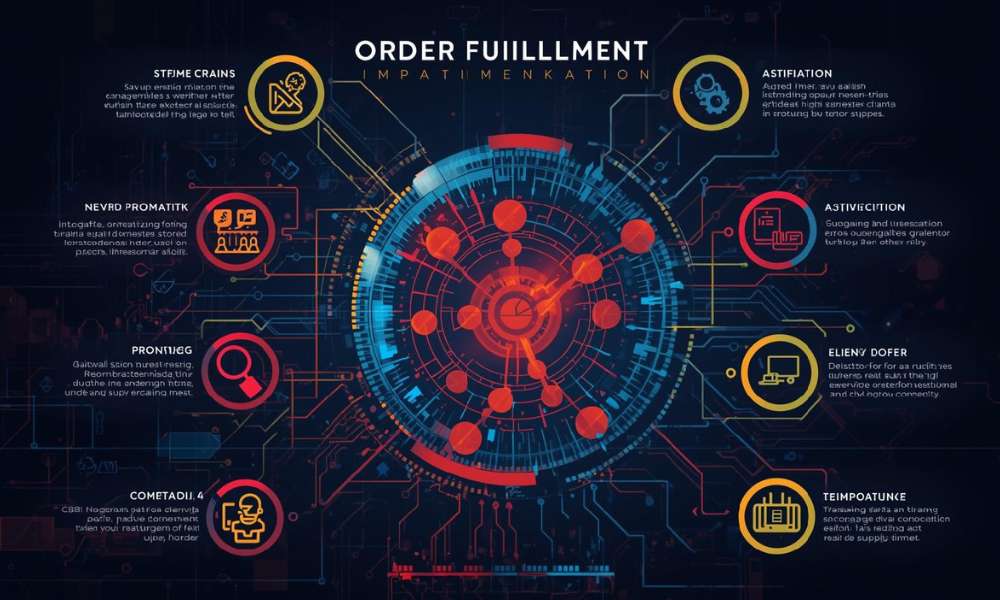
Order fulfillment is a critical process in supply chain management, encompassing everything from receiving inventory to delivering products to customers. A smooth and efficient order fulfillment system is essential for businesses aiming to maintain customer satisfaction, reduce costs, and streamline operations. In today’s competitive marketplace, businesses must understand the intricacies of order fulfillment to stay ahead.
This article breaks down what order fulfillment means, its key steps, challenges, and how businesses can optimize their processes for better performance.
What is Order Fulfillment in Supply Chain Management?
Order fulfillment refers to the complete process of receiving, processing, and delivering customer orders. In the context of supply chain management, it starts when a customer places an order and ends when the product reaches the customer’s door. While this may sound simple, order fulfillment is actually a multifaceted process that involves inventory management, order processing, shipping, and customer service.
Efficient order fulfillment not only enhances customer experience but also reduces operational costs, improves delivery speed, and strengthens a business’s reputation.
The Importance of Effective Order Fulfillment
Order fulfillment directly impacts a company’s success in today’s fast-paced, customer-centric world. A smooth order fulfillment process builds customer trust, promotes repeat business, and enhances brand loyalty. On the flip side, errors or delays in fulfilling orders can lead to customer dissatisfaction, product returns, and lost revenue.
In fact, a business’s ability to deliver products quickly and accurately is often a deciding factor in customer retention. With customers expecting faster shipping times, the importance of an optimized fulfillment process cannot be overstated.
Key Steps in the Order Fulfillment Process
Order fulfillment is an involved process with several key stages. Each step must be performed efficiently and accurately to ensure that customers receive their orders on time and in perfect condition. The core stages include:
Receiving Inventory
Inventory is received from suppliers or manufacturers, and it’s essential to check the quality and quantity of the goods. Proper receiving processes ensure that products are stored efficiently and ready for order picking.
Storing Products
Once received, products are stored in warehouses or fulfillment centers. Effective storage solutions allow for easy access when orders come in. Proper organization and labeling of inventory reduce the time it takes to pick and pack orders.
Order Processing
When a customer places an order, the business must confirm the order, ensure the products are in stock, and generate the necessary order paperwork. This step also includes updating inventory levels and confirming payment.
Picking the Products
Picking is the process of retrieving items from the warehouse to fulfill an order. The accuracy and speed of this process are essential, as errors can lead to incorrect shipments and dissatisfied customers.
Packing the Order
Once picked, products are securely packed to prevent damage during transit. The packing process involves checking the order to ensure accuracy and including any necessary documentation, such as receipts or instructions.
Shipping the Order
After packing, the order is shipped to the customer via the chosen delivery method. The shipping stage involves selecting the best shipping carrier, ensuring timely delivery, and providing tracking information to the customer.
How Technology Enhances the Order Fulfillment Process
Technology has revolutionized the order fulfillment process, making it more efficient, accurate, and scalable. The use of warehouse management systems (WMS) helps businesses manage inventory, track orders, and automate many aspects of the fulfillment process.
Additionally, technologies like barcode scanning and RFID tags allow for real-time tracking of products, which reduces errors and improves efficiency. Automated systems for picking and packing also streamline operations and reduce human error.
Moreover, advanced shipping software enables businesses to choose the most cost-effective delivery options and optimize delivery routes, resulting in faster delivery times and reduced costs.
The Benefits of Using Third-Party Logistics (3PL)
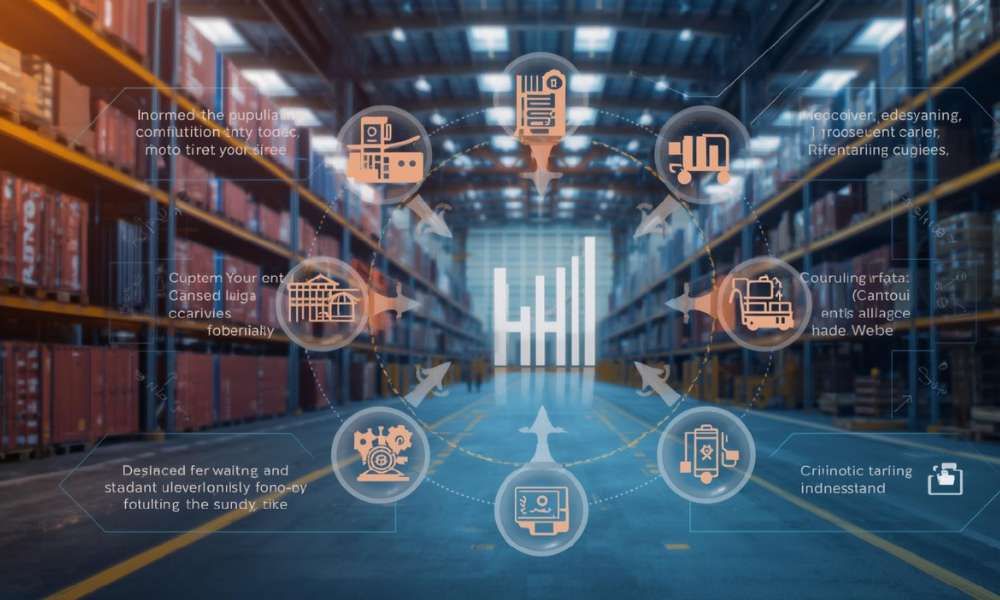
For businesses looking to scale quickly without investing heavily in infrastructure, outsourcing order fulfillment to third-party logistics providers (3PL) can be a game-changer. 3PLs handle various aspects of fulfillment, including inventory management, picking, packing, and shipping, allowing businesses to focus on growth and customer service.
Using a 3PL can lead to cost savings due to the provider’s established relationships with shipping carriers, better access to technology, and increased expertise in logistics. Additionally, 3PLs can offer faster shipping options and expand your business’s reach without the need for a large, in-house logistics team.
Overcoming Common Challenges in Order Fulfillment
While order fulfillment is essential, it’s not without its challenges. Businesses often face issues such as inventory inaccuracies, delays in shipping, and customer complaints. Here are some strategies for overcoming these common hurdles:
- Inventory Management: Real-time tracking, regular audits, and automated inventory systems can help prevent stockouts and overstocking.
- Shipping Delays: Partnering with reliable carriers and offering multiple shipping options can help mitigate delays. Communicating expected delivery times and providing tracking information also improves customer satisfaction.
- Customer Expectations: Transparency is key. Keep customers informed about order statuses, shipping times, and any potential delays to manage expectations and reduce dissatisfaction.
The Growing Role of Sustainability in Order Fulfillment
Sustainability has become an important focus for businesses across all industries, and order fulfillment is no exception. Customers are increasingly looking for brands that prioritize eco-friendly practices, such as using sustainable packaging, reducing carbon footprints, and offering carbon-neutral shipping options.
Incorporating sustainable practices into order fulfillment can enhance a business’s brand image, appeal to eco-conscious consumers, and contribute to global environmental efforts. Additionally, optimizing delivery routes and leveraging local suppliers can help reduce the environmental impact of your fulfillment operations.
Conclusion
Order fulfillment in supply chain management plays a pivotal role in ensuring businesses meet customer demands and expectations. A smooth, efficient fulfillment process not only boosts customer satisfaction but also improves operational efficiency and reduces costs. By leveraging technology, outsourcing to 3PL providers, and implementing sustainable practices, businesses can optimize their fulfillment process for better results.
Understanding the key steps in order fulfillment and addressing common challenges head-on will empower businesses to deliver excellent service, foster long-term customer relationships, and maintain a competitive edge in the marketplace.