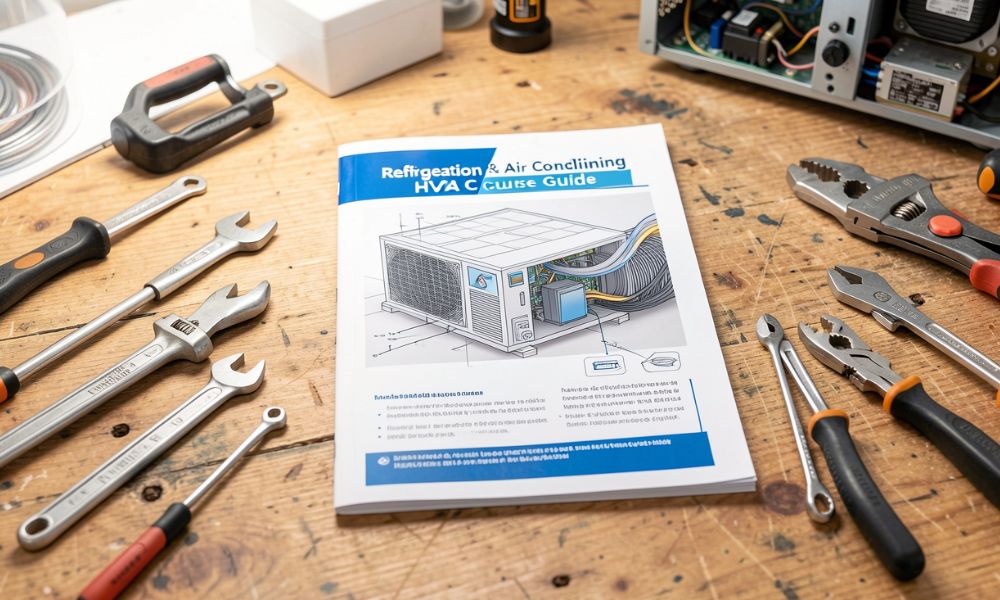
Cooling technology is an essential part of modern life. Air-conditioning systems are really useful for correct performance of homes as well as workplaces, hospitals, supermarkets and also commercial applications. As temperatures rise and buildings rely on climate control, the demand for trained technicians grows.
One refrigeration and air conditioning technology course also allows students to learn how cooling systems function, as well as how to install, maintain and repair them. This training combines theory with practical, hard technical skills needed to start a career in HVAC.
For beginners, the new course offers an on-ramp to a profession that is experiencing stable job security with long-term growth potential in local economies.
What Is a Refrigeration and Air Conditioning Technology Class?
They are trained in the systems and components that make up a comfortable environment, with classroom time focused on safety and providing standard operating procedures they can put to use on the job. The course covers refrigeration cycles, air conditioning formulae and associated HVAC components for both domestic and commercial use. Cost-saving and operationally-efficient, students learn how the refrigeration cycle works — it removes heat to create cool but temperate environmental conditions inside.
The program also deals with air conditioning system design and introduces electrical components that energize HVAC gear. Students also study safe refrigerant handling procedures and environmental regulations. It includes troubleshooting and repair techniques, allowing learners to troubleshoot everyday system problems. In summary, this training readies students to for work with a wide array of cooling systems found in both residential, commercial and industrial facilities.
Why Choose a Refrigeration and Air Conditioning Technology Course?
There are several reasons why many students choose to enroll in a refrigeration and air conditioning technology course.
Strong Job Demand
Cooling systems require regular maintenance and repair. As cities grow and technology evolves, trained HVAC technicians remain in constant demand.
Practical Skill Development
Unlike purely theoretical courses, HVAC training emphasizes practical learning. Students work with real equipment and tools used in the field.
Opportunities for Local Employment
Graduates often find work in local HVAC service companies, appliance repair businesses, or building maintenance teams.
Potential for Self-Employment
Many technicians eventually start their own repair or installation services within their communities.
Key Topics Covered in a Refrigeration and Air Conditioning Technology Course
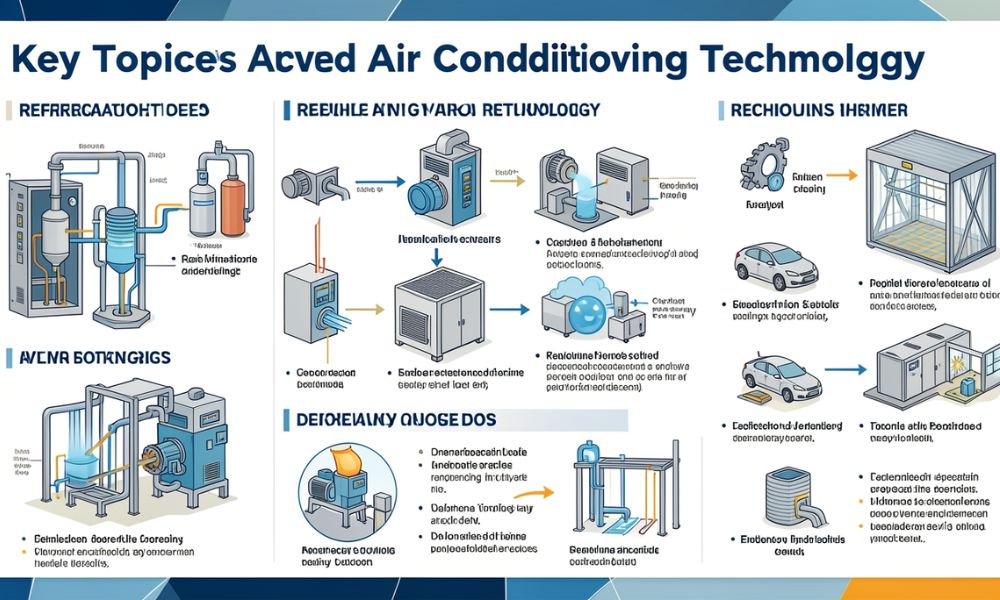
A well-structured refrigeration and air conditioning technology course covers a range of technical subjects that help students understand cooling systems in detail.
Refrigeration Cycle Fundamentals
Students learn how cooling systems transfer heat using refrigerants. This includes studying the four main stages of the refrigeration cycle:
- Compression
- Condensation
- Expansion
- Evaporation
Understanding these stages is essential for diagnosing system performance issues.
HVAC Electrical Basics
Air conditioning systems rely heavily on electrical components. Courses typically include training in:
- Electrical circuits
- Wiring systems
- Motors and compressors
- Control systems and thermostats
Refrigerant Handling
Refrigerants are critical to cooling performance. Students learn how to:
- Charge refrigerant safely
- Detect leaks
- Recover refrigerant responsibly
- Follow environmental safety standards
Hands-On Training in HVAC Systems
Practical training is one of the most valuable aspects of a refrigeration and air conditioning technology course. Students gain real-world experience working with HVAC tools and equipment.
Typical lab training includes:
- Installing split air conditioners
- Working with window AC units
- Testing system pressure with gauges
- Using vacuum pumps and recovery machines
- Troubleshooting cooling problems
This hands-on approach helps students build confidence and technical ability.
Tools Used in Refrigeration and Air Conditioning Work
HVAC technicians rely on specialized tools to perform installations and repairs. During the course, students learn how to use common equipment such as:
- Manifold gauge sets
- Refrigerant recovery machines
- Vacuum pumps
- Multimeters for electrical testing
- Leak detection tools
Learning to handle these tools correctly is an important step toward becoming a skilled technician.
Career Opportunities After Completing the Course
Completing a refrigeration and air conditioning technology course opens the door to several technical careers.
Common job roles include:
- HVAC technician
- Air conditioning installer
- Refrigeration repair technician
- Building maintenance technician
- Commercial refrigeration specialist
Many technicians work with residential air conditioning systems, while others specialize in refrigeration used in supermarkets, restaurants, or industrial environments.
Importance of Safety in HVAC Training
Safety is a critical part of any refrigeration and air conditioning technology course. Cooling systems involve electrical power, pressurized refrigerants, and mechanical components that require careful handling.
Students learn important safety practices, including:
- Electrical safety procedures
- Proper refrigerant handling
- Safe pressure testing methods
- Protective equipment usage
These safety guidelines help technicians prevent accidents and protect equipment.
How to Choose the Best Refrigeration and Air Conditioning Technology Course
Before enrolling in a training program, it is important to evaluate the course quality. A good HVAC training program should offer both classroom learning and practical training.
Consider the following when selecting a course:
- Experienced instructors with industry knowledge
- Well-equipped training laboratories
- Certification or diploma upon completion
- Practical installation training sessions
- Positive student feedback and success stories
Choosing the right course can significantly improve career prospects.
Future Demand for HVAC and Refrigeration Technicians
The HVAC industry continues to grow as more buildings depend on advanced cooling systems. Energy-efficient air conditioning units, smart thermostats, and environmentally friendly refrigerants are becoming increasingly common.
Technicians trained through a refrigeration and air conditioning technology course are essential for installing and maintaining these modern systems.
This ongoing demand ensures strong career stability in the field.
Conclusion
Cooling systems are an essential part of modern infrastructure. From residential homes to large commercial buildings, refrigeration and air conditioning technology keeps environments comfortable and functional.
A refrigeration and air conditioning technology course provides the skills and knowledge needed to work confidently with HVAC systems. Through technical instruction, practical training, and safety education, students gain the expertise required for a rewarding technical career.
For individuals interested in hands-on work, mechanical systems, and problem solving, HVAC training offers a reliable path toward professional growth and long-term employment.