
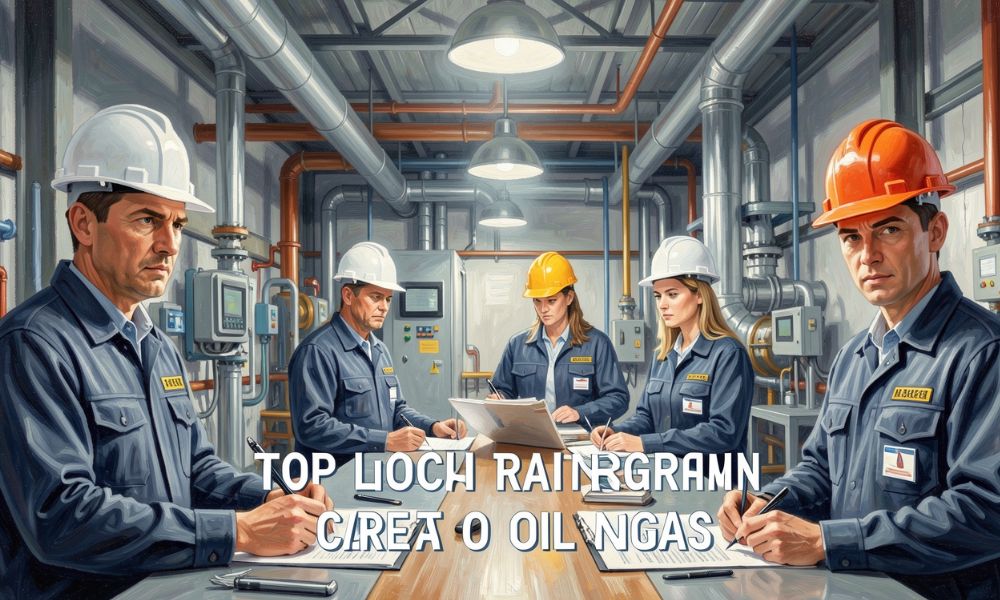
The oil and gas sector is a linchpin of the modern industrial landscape, powering energy supply chains, propping up local economies and fueling technological innovation. However, passion alone is not enough to succeed in this area; you must possess technical skills, extensive practical experience and a fundamental knowledge of relevant safety codes. This is where local training programs come in, providing a guided approach to building these skills as they tackle real-world operations.
A local course is a great first step for aspiring professionals on the journey to mastering drilling, refining, pipeline management and petrochemical operations. Not only do these programs teach practical skills, they also provide industry-recognized certifications to increase employability in local and national workforces.
Why Professional Training Matters
Programs that provide training in the oil and gas industry enable individuals to safely and effectively reach operational and technical solutions in the field. Their approach emphasizes skill-building: simulations, lab exercises and fieldwork. Courses place a heavy emphasis on Health, Safety and Environment (HSE) standards; how to deal with hazards, respond to emergencies and ensure sustainable practices are implemented.
In addition to skills training, local training initiatives enable professional networking. They link learners to instructors, mentors and a network of local employers that can offer apprenticeships, internships and entry-level work. For communities, this guarantees a constant flow of trained professionals to sustain regional energy infrastructure.
Types of Local Oil and Gas Courses
Technical and Operational Courses
Technical training provides foundational knowledge for day-to-day operations. Learners gain expertise in drilling techniques, pipeline monitoring, refinery processes, and equipment maintenance. Practical exercises simulate real industry scenarios, helping students develop confidence and competence while preparing them for entry-level roles.
Advanced technical courses cover areas such as pressure control, reservoir management, and process automation. These programs are ideal for individuals aiming to specialize and take on more complex operational responsibilities.
Health, Safety, and Environmental Courses
HSE training is a core component of professional development in oil and gas. Courses cover emergency response, fire safety, hazardous material handling, and environmental compliance. Students participate in practical drills and site visits, gaining hands-on experience in maintaining workplace safety and protecting natural resources.
This training ensures that employees not only follow regulations but also contribute to a culture of safety and sustainability, which is crucial in high-risk environments like offshore rigs and refineries.
Management and Leadership Programs
For those pursuing supervisory or managerial roles, leadership programs offer instruction in project management, team coordination, and strategic decision-making. Students learn to allocate resources efficiently, resolve operational challenges, and lead teams effectively.
Soft skills such as communication, problem-solving, and critical thinking are emphasized alongside technical knowledge, ensuring that graduates are prepared to manage both people and processes successfully.
Specialized Courses
Local programs often provide specialized training for niche sectors, including offshore operations, petroleum engineering, and petrochemical processing. These courses equip professionals with advanced knowledge that sets them apart in competitive markets and accelerates career growth.
Specialized programs also allow learners to focus on the areas most relevant to their career goals, whether it’s operating offshore platforms, managing chemical processes, or optimizing petroleum production.
Certification and Career Benefits

Accredited certifications serve as a benchmark of a professional’s expertise, demonstrating to employers that they possess the knowledge, skills, and readiness required for the oil and gas industry. Local training programs often offer certifications in areas such as technical operations, HSE compliance, and project management, ensuring learners are prepared for practical challenges in the field. Completing these programs opens multiple career pathways, allowing individuals to grow progressively within the industry.
Graduates can pursue roles such as:
- Entry-level technicians, field operators, or junior engineers
- Mid-level supervisors, engineers, or project managers
- Senior positions including plant managers, strategic consultants, or industry advisors
Access to local programs also strengthens connections with regional employers, improving employment opportunities while supporting community workforce development.
Learning Formats
Oil and gas training programs are offered in flexible formats to suit different learning preferences. Online courses provide convenience for those balancing work or personal commitments while covering theoretical content. In-person classes offer direct engagement with industry-standard equipment, simulations, and instructors.
Blended learning combines online study with practical, on-site exercises, providing the best of both worlds. Participants gain knowledge in theory while applying it in a controlled, real-world environment. Local access ensures learners can make the most of hands-on experiences without traveling long distances.
Choosing the Right Local Program
When selecting a training program, prospective students should consider the curriculum, instructor expertise, accreditation, and hands-on opportunities. Evaluating reviews and feedback from past participants helps gauge program effectiveness. Duration, cost, and flexibility are also important factors to consider.
Many local institutions offer scholarships, grants, or government-subsidized programs, making professional development more accessible. Aligning course selection with career goals ensures that learners acquire the skills most relevant to their desired role, whether it’s operational, technical, or managerial.
Conclusion
Local oil and gas training programs are an essential step toward building a successful career in this demanding industry. They combine technical expertise, safety knowledge, and recognized certifications to prepare professionals for a variety of roles.
Access to local courses allows learners to gain hands-on experience, engage with instructors and mentors, and connect with regional employers. These programs provide not only the technical skills necessary for immediate employment but also the foundation for long-term career growth.
Investing in professional training transforms ambition into capability, enabling individuals to contribute effectively to the oil and gas sector. By choosing the right course, aspiring professionals can secure a rewarding, sustainable career while supporting the growth and efficiency of their local energy industry.