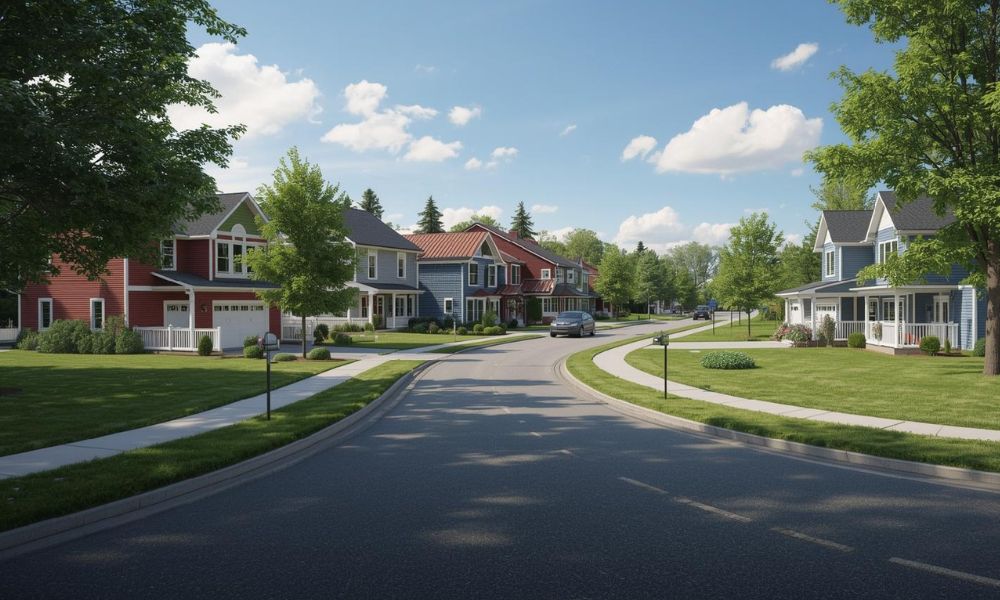
Private roads are a key asset for many property owners, particularly in rural and suburban areas. However, when multiple properties rely on the same road, maintenance responsibilities can become a source of confusion and even conflict. To avoid disputes and ensure the road remains in good condition, a Private Road Maintenance Agreement (PRMA) is crucial. This agreement clearly defines the responsibilities of each property owner, sets expectations for road upkeep, and provides a fair framework for cost-sharing.
In this guide, we’ll explore the importance of having a PRMA and provide steps on how to get one in place for your private road.
What is a Private Road Maintenance Agreement?
A Private Road Maintenance Agreement (PRMA) is a formal contract between property owners that outlines how a shared private road will be maintained. It specifies the responsibilities of each owner, including the division of maintenance tasks and the allocation of costs for repairs and improvements.
This agreement ensures all parties involved are aligned on road upkeep and prevents conflicts over neglected responsibilities. A well-structured PRMA can also make it easier to secure financing and insurance for the property, as it shows that road maintenance is being properly managed.
Why Having a PRMA Matters
Without a clear agreement, disagreements about road upkeep can quickly arise. A PRMA prevents these issues by setting clear terms and expectations. Here are several key reasons why a PRMA is important:
- Avoids disputes: Ensures all property owners understand their responsibilities and financial obligations.
- Ensures fair cost-sharing: Provides a clear method for dividing maintenance costs among owners.
- Promotes safety: Regular maintenance keeps the road safe, preventing accidents caused by deteriorating conditions.
- Protects property value: A well-maintained road enhances the value of surrounding properties, while a neglected road can lead to depreciation.
Key Elements of a Private Road Maintenance Agreement
A well-drafted PRMA should cover several key elements to ensure clarity and fairness. Here are the most important components to include:
Maintenance Responsibilities
The agreement should clearly define what constitutes road maintenance and which tasks are the responsibility of each property owner. This can include:
- Regular grading
- Pothole repairs
- Drainage management
- Snow removal (if applicable)
Cost Sharing
How the cost of maintenance is divided is often the most contentious issue. A fair PRMA will specify how expenses are split. There are several ways to approach this:
- Equal sharing: Costs are divided equally between all owners.
- Proportional sharing: Costs are divided based on road usage or property size.
Payment Procedures
Setting up a payment system for maintenance tasks ensures the road fund remains adequately funded. The agreement should specify:
- How often payments are made
- Who collects the funds
- What happens if someone fails to pay their share
Dispute Resolution
Conflicts are inevitable, but a good PRMA includes a dispute resolution process. Whether it’s a minor disagreement or a larger issue, the agreement should provide a fair method for resolving disputes, such as:
- Informal discussions
- Mediation or arbitration
- Legal action (if necessary)
The Process of Setting Up a Private Road Maintenance Agreement

Getting a PRMA in place involves several steps, from initial discussions to finalizing the agreement. Here’s a breakdown of the process:
Initiate Discussion with Neighbors
Start by talking to your neighbors who share the road. Open communication is key to ensuring everyone understands the importance of a formal agreement and is willing to participate in the process.
Draft the Agreement
Once all parties are on board, it’s time to draft the agreement. While you can create a draft yourself, it’s a good idea to consult a lawyer to ensure the document is legally sound.
Review and Negotiate
After drafting the agreement, review it together with your neighbors. Be open to negotiations and ensure all concerns are addressed before moving forward.
Finalize the Agreement
Once all parties agree to the terms, have the agreement signed by all involved. Depending on local laws, you may also want to have it notarized for additional legal validity.
Common Maintenance Tasks in a Private Road Maintenance Agreement
A well-maintained private road requires ongoing care. The PRMA should detail the tasks involved in upkeep, including:
- Grading and resurfacing: Ensuring the road remains smooth and free of dangerous ruts.
- Snow removal: If you live in a snowy climate, setting up a snow removal plan is essential for winter safety.
- Drainage maintenance: Proper drainage systems help prevent erosion and flooding on the road.
- Vegetation control: Overgrown plants or trees can obstruct visibility and access, so regular trimming is necessary.
How to Resolve Disputes Over Road Maintenance
Even with a clear agreement, disagreements may still occur. The PRMA should specify how to handle disputes, with options such as:
- Mediation: A neutral third party can help resolve conflicts in a cooperative way.
- Arbitration: A binding decision made by an independent arbitrator.
- Court action: As a last resort, legal action may be necessary to resolve serious disputes.
Conclusion
A Private Road Maintenance Agreement is an essential tool for ensuring that shared private roads remain safe, accessible, and well-maintained. By defining responsibilities, setting up fair cost-sharing methods, and establishing clear dispute resolution procedures, property owners can avoid conflicts and ensure the road remains in good condition for years to come.
Whether you’re just getting started or are looking to update an existing agreement, taking the time to set up a clear and legally binding PRMA will protect both your property and your relationships with neighbors. Don’t wait until issues arise get your Private Road Maintenance Agreement in place today to keep your road in top shape.