

With today’s fast moving business environment, an optimized supply chain is not simply an option, it is a must. Whether you are a mom and pop operation or a global giant, control mechanisms are essential to maintaining a lean supply chain. Businesses that incorporate the appropriate control functionality within their systems can not only enhance productivity and lower their overheads but also optimize end-to-end supply chain performance. In this article, we examine the control tower capabilities that drive productivity in a supply chain and set out a clear path for improving operations.
What is the role of Control functions in SCM?
Control functions are the mechanisms by which supply chain activities are regulated, observed and maintained. Such functions aid enterprises in optimizing processes, managing stock and facilitating efficient communication among suppliers, producers and clients. Control tasks may include inventory control, quality control, production planning and scheduling, logistics, demand estimation, etc. Each serves as an essential link in the chain of production, arms-length from source and consumer as they keep goods circulating and resources used to capacity.
Why Control Functions Are Critical for Increasing Productivity
Control functions are integral to enhancing supply chain productivity for several reasons:
- Reduced Operational Inefficiencies: By tracking key metrics, businesses can identify inefficiencies in their supply chain operations, such as excess inventory or delayed shipments.
- Optimized Resource Allocation: With control functions in place, companies can allocate resources, including labor, materials, and machinery, more effectively.
- Improved Decision-Making: Control functions provide real-time data, helping managers make informed decisions that keep operations on track.
These elements help businesses make smarter, more effective decisions, improving overall productivity and minimizing waste.
Critical Control System Functions for Improved Supply Chain Performance
Inventory Management: The Key Factor in Supply Chain Efficiency
One of the most crucial control elements is inventory control. It makes sure a business has the appropriate amount of inventory at any point in time. Good inventory management can be costly in the absence of necessary goods. With automatic inventory tracking solutions, retailers can always know stock levels in real-time to limit waste and increase stock turnover.
Demand Forecasting: Anticipating Future Needs
More precise demand forecasting allows firms to anticipate customer demand and avoid both a stockout and excessive inventory. Historic sales reports and market trends can allow organizations to more accurately integrate planned production and inventory with expected demand. Good forecasting allows supply chains to be flexible and adjust to customers’ changing needs.
Quality Control: Ensuring Product Excellence
Quality assurance is a critical control process to maintain product quality. Rigorous quality control is employed to guarantee that the products are in compliance with industry standards and customer requirements. Quality control throughout the production process minimizes waste and product returns, which contributes to more efficient supply chain.
The Logistics Management: Optimizing Movement and Delivery
Logistic management is an important part for moving goods across the supply chain of suppliers to customers. Businesses can minimize delivery delays and maximize customer satisfaction by streamlining transportation routes and implementing real time tracking systems. These logistics are also cost-effective specifically with respect to reduced shipping costs.
How Tech is Strengthening Control Functions within Supply Chains
Automation and Its Effectiveness in Improving Workforce Efficiency
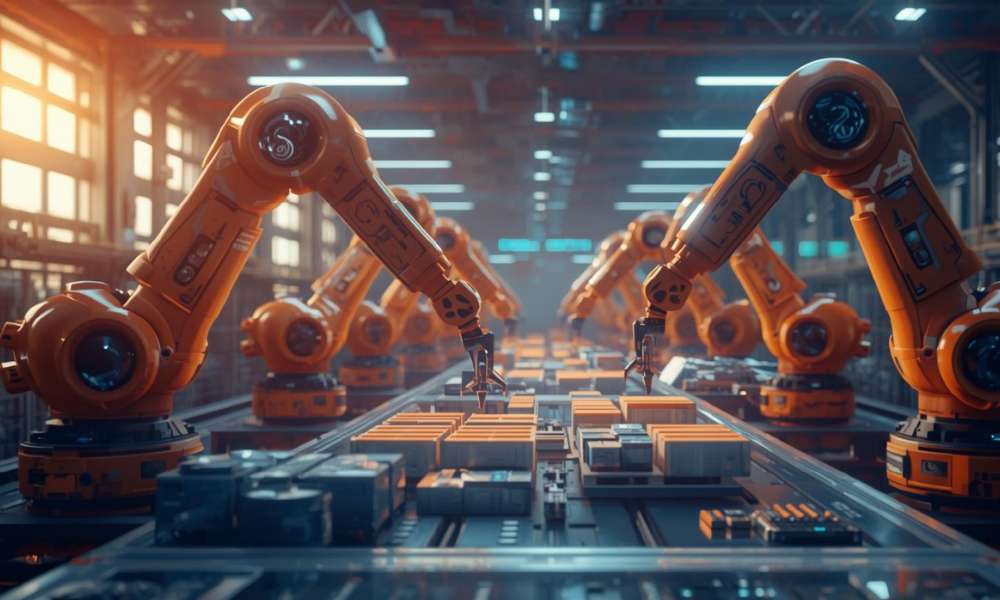
Automation is a key lever for upgrading the supply chain control tower. From automating inventory tracking to robotic systems in warehouses, automation reduces human error and speeds up processes. This results in quicker order-processing, less mistakes and increased workplace productivity.
Smart Decision-Making: The Power of Data Analytics
Businesses can monitor metrics and obtain supply chain insights through data analytics. This way, businesses can recognize issues in real-time and are able to take action sooner, optimise processes and make informed decisions to add value to their supply chain. Predictive analytics, for example, can be used to predict trends in the future and enable businesses to plan for surges or disruptions in demand.
Real-Time Data: Key to Better Control and Faster Decisions
Incorporating real-time data into supply chain operations enables businesses to monitor and control processes as they happen. This data-driven approach enhances decision-making by providing up-to-the-minute insights on inventory levels, production status, and delivery schedules. Real-time data helps companies stay agile, ensuring that they can respond quickly to challenges and minimize disruptions.
The Importance of Employee Training for Effective Control Functions
Training employees on the importance and implementation of control functions is essential for maintaining an efficient supply chain. A well-trained team understands the significance of each control function, from inventory management to logistics, and is better equipped to handle challenges. Ongoing training also ensures that employees are familiar with the latest technologies and best practices, allowing them to contribute to the continuous improvement of supply chain operations.
How Regular Audits Contribute to Continuous Improvement
Regular audits are crucial for maintaining the effectiveness of control functions. By reviewing performance data and identifying inefficiencies, businesses can make improvements to processes, reduce risks, and ensure compliance with industry regulations. Audits provide an opportunity for businesses to assess their supply chain strategy and implement necessary changes to maintain high performance levels.
Conclusion
Mastering control functions is key to increasing productivity and ensuring the success of any supply chain. By focusing on critical elements like inventory control, demand forecasting, quality control, and logistics management, businesses can streamline their operations, reduce costs, and improve overall efficiency. With the right systems and processes in place, companies can not only enhance productivity but also build a more resilient and agile supply chain. Implementing effective control functions is an investment that pays off in the form of reduced operational inefficiencies, improved customer satisfaction, and long-term growth.