

AI-generated illustration created to represent the article’s subject. It does not depict an actual EPW course, trainer, participant, client, event or venue.
Healthcare systems are multifaceted settings in which risks abound from medical errors to operational inefficiencies. There is also a financial ground to this as ensuring compliance with regulations varies from patient safety but it also assures the organization does not risk it all for a reputational crisis. This is why healthcar risk management training provides the skills and knowledge needed by professionals to identify, evaluate and prevent risks before they get worse. In this article, we will explore the importance of healthcare risk management training, its key components, and how it helps those working in healthcare ensure a safer and smoother running health care setting.
What is Healthcare Risk Management?
Healthcare risk management refers to a systematic method in which potential risks that may occur within the health care setting are identified, assessed, and addressed. Such risks can range from clinical errors, including mistakes in medication ordering, to operational challenges like data breaches or egregious equipment failures.) Healthcare Risk Management: The main objective of healthcare risk management is to minimize the chances that these risks will impact patient safety, organizational processes or financial viability.
In a nutshell, healthcare risk management is the process of planning and implementing strategies that reduce the risk of injury to patients, providers, and health care facilities. Effective risk management in healthcare organizations helps mitigate adverse events, improve quality of care and operational efficiencies.
Essentials of Healthcare Risk Management Training
As professionals working in healthcare environments, the training in healthcare risk management equips professionals with the skillset needed to traverse a wide array of potential risks. This enables healthcare providers not only to identify potential threats but also to establish and execute appropriate mitigations. This training enables healthcare personnel to identify potential risk factors, gauge their impact and develop plans to contain or eliminate those risks.
A good training program teaches professionals the real and paramount importance of patients’ safety, compliance to healthcare laws and regulations followed by the procedures to prevent financial losses or legal actions. It additionally guarantees healthcare teams have the knowledge they need: to stay aware of emerging threats. Including those involving technology, regulatory adaptations and patient care protocols.
Core Components of Healthcare Risk Management Training
A comprehensive healthcare risk management training program includes several key components designed to cover the broad spectrum of risks healthcare organizations face. These components typically include:
Risk Identification
The first step in managing risk is identifying it. Healthcare professionals must be trained to recognize both clinical and non-clinical risks, ranging from patient safety concerns to cybersecurity threats. Early identification allows for quicker responses and better risk management outcomes.
Risk Assessment and Prioritization
After identifying potential risks, healthcare professionals are trained to assess their severity and likelihood. By evaluating the risks, healthcare teams can prioritize their responses, focusing on the most pressing concerns first.
Risk Mitigation Strategies
Risk mitigation is about finding effective ways to reduce or eliminate identified risks. Training programs teach professionals how to develop and implement policies and procedures to minimize these risks. From improving communication to using better technologies.
Compliance with Legal and Regulatory Standards
Healthcare organizations must comply with various regulations, such as HIPAA in the United States. Risk management training ensures that healthcare professionals understand these requirements and implement practices that meet these standards, thus reducing the risk of legal penalties.
Crisis Management
In situations where risks escalate into crises, healthcare professionals must be trained to handle emergencies efficiently. This includes understanding protocols for patient care in emergencies and ensuring that proper steps are taken to resolve the situation.
The Benefits of Healthcare Risk Management Training
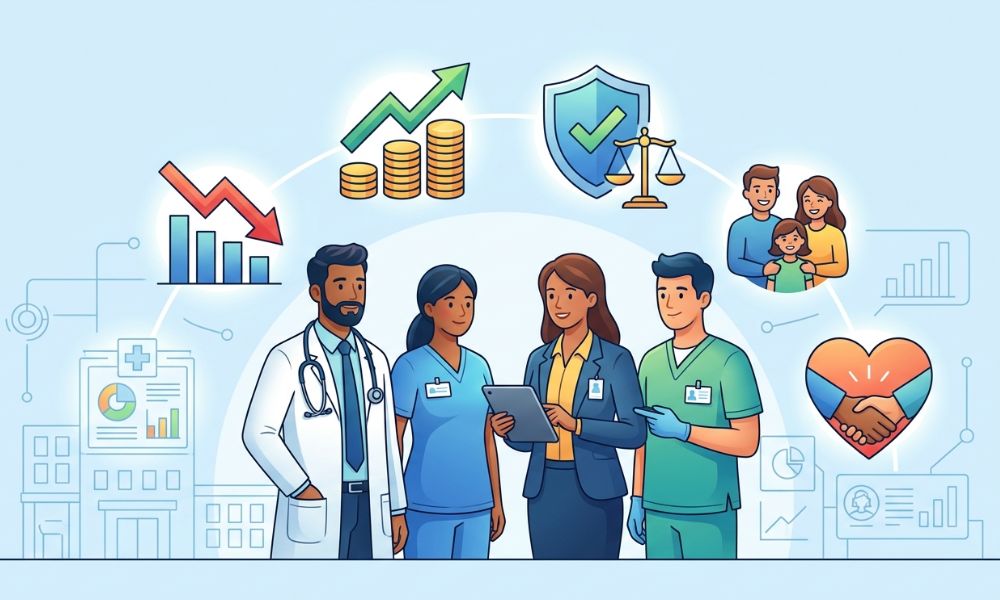
Investing in healthcare risk management training offers numerous benefits for both healthcare organizations and the individuals who work within them:
Improved Patient Safety
The most significant benefit of healthcare risk management training is improved patient safety. By identifying risks early and taking preventative measures. Healthcare providers can ensure that patients receive the highest quality care with fewer adverse outcomes.
Cost Savings
Proper risk management can help prevent costly mistakes such as medical malpractice suits or regulatory fines. By training staff to reduce risks, healthcare facilities can avoid significant financial losses, thus improving their bottom line.
Enhanced Legal and Regulatory Compliance
Healthcare providers must adhere to strict regulations. Risk management training helps organizations stay compliant with these regulations, preventing legal issues that may arise from non-compliance.
Increased Operational Efficiency
Through risk management training, healthcare professionals learn how to optimize processes. Streamline operations, and reduce inefficiencies that could otherwise lead to costly errors or delays.
Better Crisis Response
Effective risk management training prepares healthcare teams to handle crises when they arise. Knowing how to respond quickly and effectively can minimize damage and prevent the situation from escalating.
Role of Healthcare Risk Management Training for Different Healthcare Professionals
Healthcare risk management training is crucial for a wide range of healthcare professionals. Different roles within healthcare facilities benefit from targeted risk management training, including:
- Healthcare Administrators: Administrators play a pivotal role in ensuring the safety of patients and staff. Risk management training for administrators focuses on creating policies, overseeing compliance, and managing risk reduction strategies at an organizational level.
- Clinical Staff (Nurses, Doctors, etc.): Clinical staff members are on the frontlines of patient care. Training them in risk management ensures they can identify potential hazards in patient care and take appropriate actions to mitigate risks, such as following protocols for medication administration or infection control.
- Legal and Compliance Teams: Legal professionals in healthcare organizations must be well-versed in the regulatory landscape and understand the legal implications of risk management. Training ensures they can handle legal issues related to patient safety, malpractice, and regulatory compliance.
How Technology Plays a Role in Healthcare Risk Management
As technology continues to evolve, so do the risks that healthcare organizations face. Cybersecurity risks, data breaches, and technological malfunctions have become increasingly prevalent. Healthcare risk management training incorporates the role of technology, teaching professionals how to leverage tools like electronic health records (EHRs) and patient management software to manage risks more effectively. Training also focuses on securing patient data and protecting healthcare systems from cyber-attacks and other digital threats.
Conclusion
Healthcare risk management training is essential for any healthcare organization committed to providing high-quality, safe care while maintaining compliance and operational efficiency. By equipping healthcare professionals with the knowledge and tools to identify, assess, and manage risks, healthcare facilities can improve patient safety, reduce costs, and maintain a high standard of care.
Given the ever-evolving nature of healthcare, staying informed and up-to-date with the latest risk management practices is vital. Healthcare risk management training empowers professionals to handle current and emerging risks effectively, ensuring that healthcare organizations thrive in a complex and increasingly regulated environment.



2 thoughts on “Healthcare Risk Management: A Professional Training Guide”
Comments are closed.