
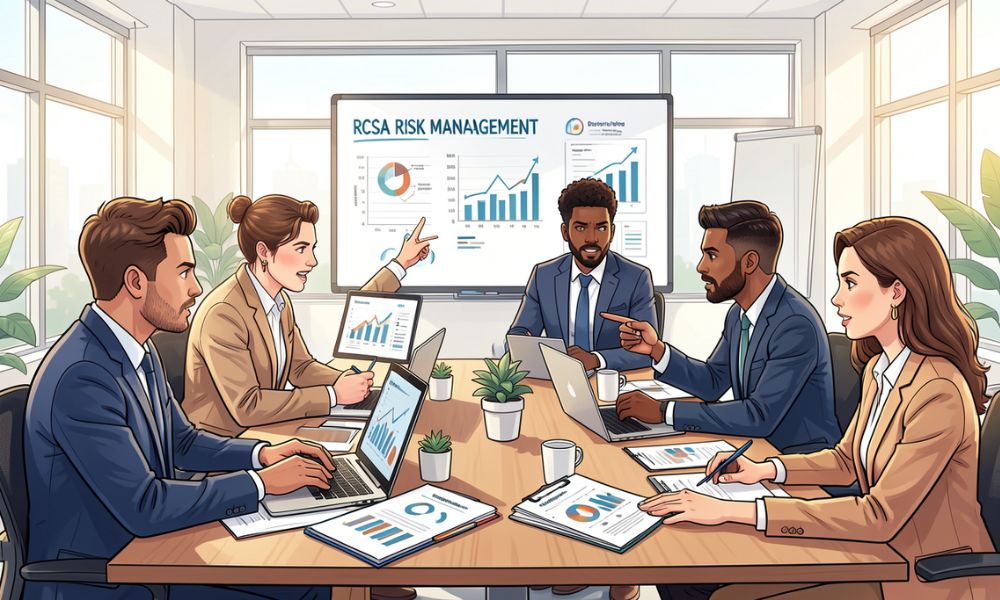
With the current pace of business and associated risks, organizations are challenged to continue vigilantly safeguarding their operations, brand stay in the positive, as well as their bottom line. Risk Control Self-Assessment (RCSA) training is one of the most impactful methods to do this. By taking this proactive approach, businesses can more easily pinpoint potential risks while assessing their impact and developing actionable plans to eliminate them before they sharpen. In this article, we present some of the benefits to help you understand how RCSA training can enhance risk management in organizations regardless of their size.
The questions abound: What is Risk Control Self-Assessment (RCSA)?
RCSA: A process that allows organizations’ self-assessment of its internal controls and operational risks. And by all this proactive identification and the impact assessment followed by mitigation they can ensure the long-term stability and growth of the company. RCSA is not a one-off; rather, it is an ongoing activity involving both assessment of existing procedures as well as scope of improvisation. RCSA is designed to promote a culture of risk awareness and proactive management throughout the organization.
Importance of RCSA Training for Companies
Enhancing Risk Awareness
One of the primary reasons why RCSA training is very crucial for business, is that it sensitizes people on the nature of risks applicable to any such organization. RCSA training will help employees at all levels to know the risks that need to be managed and monitored through the respective departments in accordance with their rolefrom financial and operational risk, through compliance and on to reputational risk. With enhanced awareness, businesses can ensure that the looming threat doesn’t get unnoticed while forming a more resilient organization.
Establishing a Proactive Approach toward Risk Management
RCSA training not only involves understanding risks but also instilling a mindset of being proactive towards risk management. It prepares the employees to identify risk, devise plans and apply solution before problems crop up. That attitude is essential for being able to prepare for challenges in advance, managing risks effectively and minimizing the chances of business continuity disruption within the organization.
Supporting Compliance and Legal Obligations
The ever-growing regulations in a corporate setting mandate that businesses have to follow several legal and industry-specific guidelines. The importance of RCSA training is that it help employees understand and comply with those regulations. During the process of identifying potential compliance risks and do something about them by implementing controls, organizations can prevent against expensive fines, legal action and also the risk of tarnishing their brand name.
Preparing for the Future
All the dynamic professionals know that even a single successful dab can raise them to great heights. As new technologies, markets and regulators emerge, so do new risks as well as new opportunities. With RCSA training, businesses can continue to be nimble and ready for any new challenge. Organisations can always be ahead of the game by training employees to interim prescribed approach and course of action before facing risk.
Key Components of RCSA Training
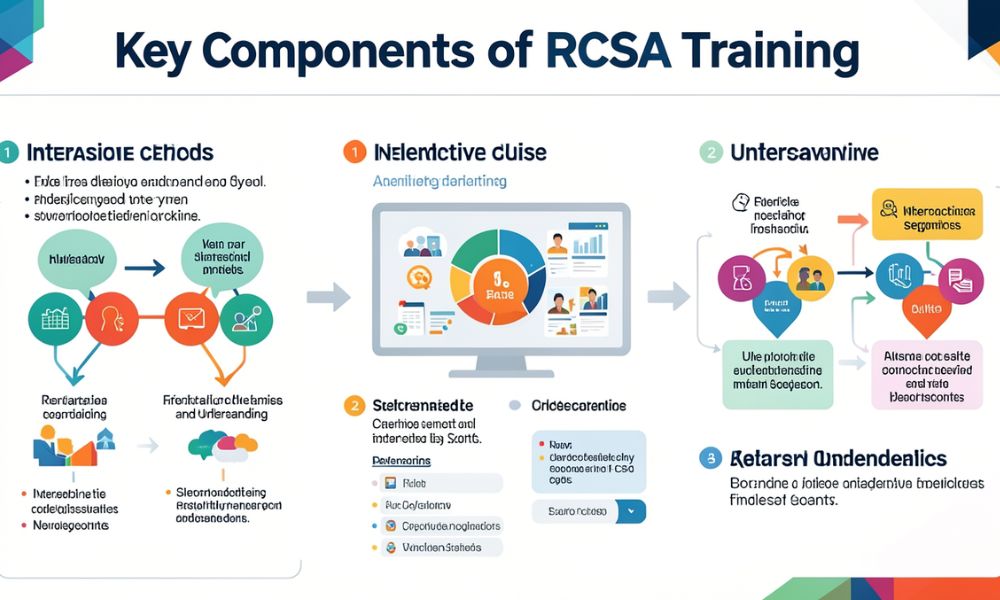
RCSA training consists of several key elements that help organizations build a comprehensive risk management framework. Understanding these components is essential for implementing a successful training program.
Identifying Risks
The first step in the RCSA process is identifying the various risks an organization may face. These risks can include:
- Operational risks – Risks arising from business processes, such as system failures or supply chain disruptions.
- Financial risks – Risks related to financial instability, credit exposure, or market fluctuations.
- Compliance risks – Risks arising from failure to comply with regulations, laws, and industry standards.
- Reputational risks – Risks that threaten an organization’s public image, including negative media coverage or customer dissatisfaction.
Through RCSA training, employees learn to recognize these risk categories and understand how they can impact the business.
Risk Assessment and Evaluation
Once risks are identified, the next step is to evaluate their potential impact and likelihood. RCSA training teaches employees how to assess risks based on both qualitative and quantitative factors. Helping businesses prioritize which risks need immediate attention. By using risk assessment tools and techniques, employees can create a more accurate picture of the risks facing the organization and allocate resources accordingly.
Developing Mitigation Strategies
After assessing risks, the next critical step is to develop and implement mitigation strategies. This involves designing processes, controls, or actions that reduce or eliminate the impact of risks. RCSA training helps employees understand how to create effective risk management plans and apply solutions to minimize risks before they escalate.
Continuous Monitoring and Reporting
RCSA is an ongoing process. Once mitigation strategies are in place, businesses must continuously monitor the effectiveness of these measures and adjust them as needed. RCSA training teaches employees the importance of regularly reviewing and updating risk assessments, ensuring that businesses remain vigilant and adaptable to changing conditions. This continuous monitoring also allows organizations to quickly detect emerging risks and respond proactively.
How to Prioritize Risks Effectively
Not all risks are equal, and some will have more severe consequences than others. A key component of RCSA training is learning how to prioritize risks based on their potential impact and likelihood. Businesses are taught how to categorize risks using risk matrices or other evaluation tools. Which helps them focus on addressing the most critical risks first.
Effective prioritization ensures that businesses allocate resources where they are most needed, improving the efficiency of their risk management efforts and reducing the overall exposure to potential losses.
The RCSA Training Process
The RCSA training process is designed to guide employees through each phase of risk management, from identification to mitigation. The training typically follows a structured approach, ensuring that participants understand every aspect of the RCSA framework.
Step-by-Step Process
RCSA training starts with an overview of risk management principles, followed by detailed instruction on identifying, assessing, and mitigating risks. Participants are then guided through the process of continuously monitoring risks and ensuring that mitigation strategies remain effective. The training also includes practical exercises, case studies, and real-world scenarios that help employees apply what they’ve learned in a hands-on setting.
Clear Objectives and Goals
Setting clear objectives is crucial to the success of RCSA training. By defining measurable goals, businesses ensure that employees know what is expected of them and can track their progress. These objectives help businesses assess the effectiveness of the training program and ensure that it leads to tangible improvements in risk management practices.
Role of Trainers and Facilitators
Skilled trainers are essential to the success of RCSA training. Trainers with experience in risk management bring practical knowledge and insights that make the training process more engaging and effective. Their role is to guide employees through the various stages of the RCSA process, provide support, and answer questions, ensuring that participants gain a solid understanding of risk management principles.
Conclusion
Risk Control Self-Assessment (RCSA) training is a valuable tool for businesses looking to enhance their risk management capabilities. By equipping employees with the knowledge and skills to identify, assess, and mitigate risks, RCSA training helps organizations build a proactive risk management culture. This results in greater compliance, improved operational efficiency, and a stronger ability to adapt to future challenges. Whether you are a small business or a large corporation, investing in RCSA training is a step toward safeguarding your organization and ensuring long-term success.




One thought on “Boost Business Success with RCSA Risk Management Training”
Comments are closed.