
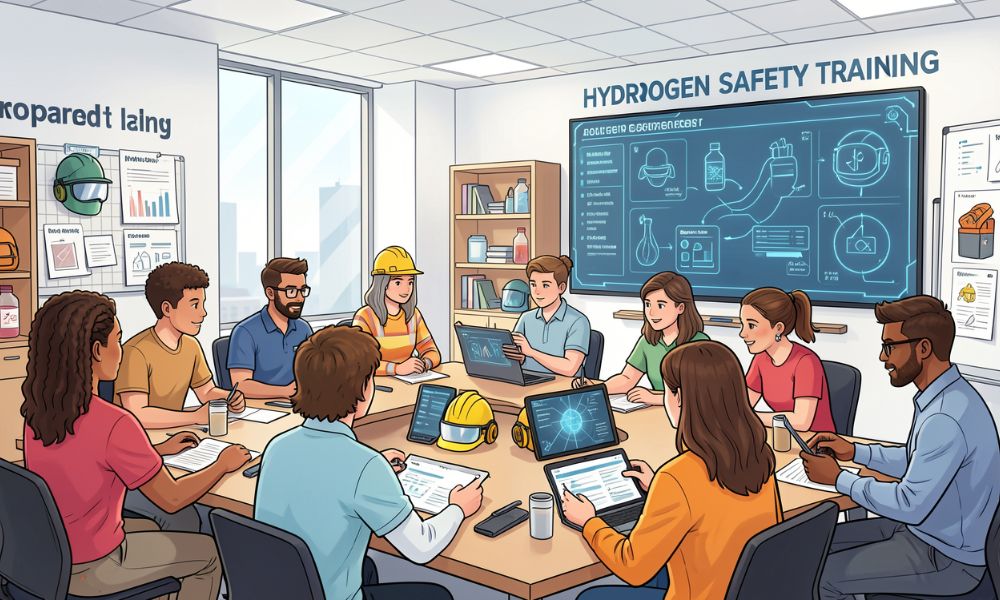
Hydrogen is emerging as a major player in the world transition towards cleaner energy sources with substantial environmental gains. But given its flammable and volatile nature, it needs special treatment and safety precautions Such a course is necessary for all professionals in any number of industries working with hydrogen to comply with safety protocols and reduce risk. Hydrogen Safety Guide: Why Hydrogen Safety Training is Important, What You Learn at a Course and How it Teaches Professionals to Safely Work with Hydrogen in Real-World Settings
Why Hydrogen Safety is Crucial
And Yūgen, the clean energy substitute that exists—hydrogen—is just as interesting. Hydrogen holds great promise, but it brings unique safety challenges. Being an ultra flammable gas, the hydrogen can be hazardous if not managed properly with:
- Explosions: Hydrogen gas is highly flammable and can form explosive mixtures with air.
- Leaks: Due to its small molecular size, hydrogen can escape through the tiniest gaps, posing a significant risk.
- Fire Hazards: Hydrogen fires are difficult to extinguish and require specialized firefighting techniques.
A hydrogen safety training course equips workers with the necessary knowledge to handle hydrogen safely, reducing the chances of accidents and ensuring a safe working environment.
What Will You Learn in Hydrogen Safety Training?
A well-rounded hydrogen safety training course covers various essential aspects of handling hydrogen safely. Participants will educated on both theoretical knowledge and practical techniques for managing risks in hydrogen environments.
Understanding Hydrogen’s Properties and Risks
One of the first topics in a hydrogen safety course is an in-depth understanding of hydrogen’s physical and chemical properties. Knowing how hydrogen behaves—its flammability, volatility, and ability to leak—allows individuals to anticipate and manage potential hazards effectively.
Risk Identification and Management
Participants will learn how to assess and manage risks associated with hydrogen, including detecting leaks, recognizing dangerous concentrations, and responding to emergencies. This includes understanding the importance of constant monitoring and maintaining safety systems like alarms and gas detectors.
Safety Protocols and Personal Protective Equipment (PPE)
Safety protocols are at the heart of any hydrogen safety training. Participants will be trained to use personal protective equipment (PPE) effectively, ensuring that they are prepared for any situation. PPE might include flame-resistant clothing, gloves, face shields, and breathing apparatus.
Emergency Response Techniques
While prevention is key, emergencies can still happen. A solid emergency response plan is critical in minimizing damage and ensuring safety. In a hydrogen safety training course, participants will learn proper emergency protocols such as:
- Evacuation plans: How to quickly and safely evacuate personnel in the event of a leak or explosion.
- Firefighting procedures: Hydrogen fires require specific methods to extinguish them; this training teaches how to use the right tools and techniques.
- First aid: In case of burns or asphyxiation, hydrogen safety courses include basic first aid training to ensure immediate care is provided.
Who Should Take Hydrogen Safety Training?
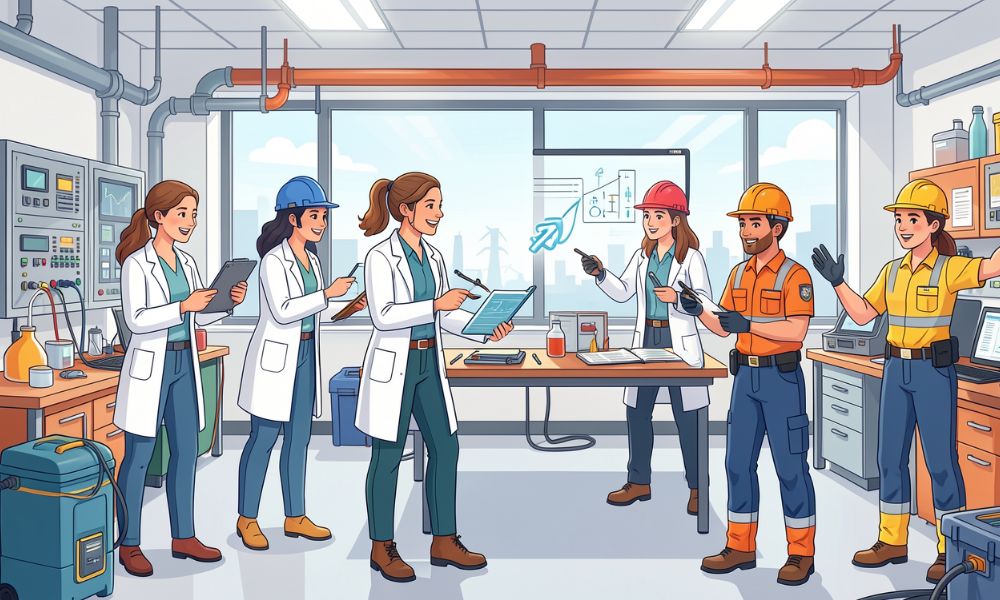
Hydrogen safety training is beneficial for a wide range of professionals who work with or around hydrogen. Some key groups include:
- Technicians and Engineers: Those working with hydrogen equipment or installations need to understand its risks and safety procedures.
- Safety Managers: Managers are responsible for ensuring workplace safety; they need to be well-versed in hydrogen-specific safety regulations.
- Facility Operators: Workers who oversee the day-to-day operations of hydrogen plants, fueling stations, or chemical production facilities will benefit from comprehensive safety training.
Structure of a Hydrogen Safety Training Course
A hydrogen safety training course is typically structured to balance theoretical learning with hands-on exercises. Participants will engage in:
Classroom Learning
In this part of the course, the instructor introduces participants to hydrogen safety concepts, including the science behind hydrogen, its associated risks, and regulatory standards. The course covers key concepts like the behavior of gases, pressure systems, and leak detection technologies.
Practical Training
The practical component provides real-world scenarios where trainees can practice safety protocols in controlled environments. Participants may practice using gas detectors, handling emergency situations, and familiarizing themselves with hydrogen storage and transport systems.
Assessments
Most hydrogen safety training courses conclude with an assessment or certification exam. This ensures that participants have absorbed the essential safety knowledge and are prepared to implement it in their workplaces.
Hydrogen Safety in Different Sectors
Hydrogen is used across several industries, each with unique safety needs. A hydrogen safety training course helps individuals working in various sectors understand the particular challenges they face and how to mitigate risks.
- Energy Sector: In hydrogen energy production and storage, workers must trained to manage high-pressure systems and hydrogen pipelines. Safety training covers issues like leak detection and pressure relief systems.
- Transportation: Hydrogen-powered vehicles are gaining traction, and refueling stations require specialized safety protocols. Training focuses on the safe refueling process, emergency shutoff procedures, and proper handling of hydrogen tanks.
- Manufacturing: In industries like chemical processing, hydrogen is use in refining and production processes. The safety course covers the handling of hydrogen in these settings, along with maintenance protocols for hydrogen-powered systems.
Emergency Response and First Aid in a Hydrogen Environment
Despite preventive measures, accidents can still occur. A well-structured hydrogen safety course will ensure participants are prepared to respond appropriately to hydrogen-related emergencies. This includes:
- Leak Detection: Techniques to identify even the smallest leaks before they pose a threat.
- Firefighting: Hydrogen fires are unique, and using traditional firefighting methods won’t always be effective. Participants are trained on the best fire suppression strategies for hydrogen-related fires.
- First Aid: In case of burns or asphyxiation, participants are taught essential first aid procedures for treating injuries caused by hydrogen exposure.
Technological Innovations in Hydrogen Safety
Technology plays an essential role in modern hydrogen safety. From advanced sensors to automated systems, safety training courses often include training on cutting-edge technology that enhances safety in hydrogen environments.
- Hydrogen Leak Detectors: These sensors alert workers to leaks in real-time, enabling immediate action to prevent hazards.
- Automated Shutdown Systems: In the event of a leak or malfunction, these systems automatically stop hydrogen flow to minimize risks.
- Monitoring Systems: Real-time monitoring of hydrogen levels and safety conditions provides an extra layer of protection.
Local Hydrogen Safety Regulations and Standards
Each region has specific safety standards and regulations related to hydrogen. These rules are critical for ensuring safe operations and preventing accidents. A hydrogen safety training course will cover these local regulations, helping workers comply with regional safety laws and avoid costly penalties.
Conclusion
As hydrogen becomes more integrated into the global energy infrastructure, the need for comprehensive safety training is growing. A hydrogen safety training course provides individuals with the knowledge and skills to handle hydrogen safely, mitigating risks and ensuring the safe use of this powerful energy source.
Whether you work in energy, transportation, or manufacturing, understanding the potential hazards and how to prevent them is crucial. By taking part in hydrogen safety training, workers and organizations contribute to a safer, more sustainable future.