
Key Takeaways
- Petroleum coke is a high carbon byproduct of oil refining that is not like coal. Its composition, impurities, and how it is produced dictate where and how it can be utilized. Knowing these fundamentals enables operators to choose the appropriate petcoke grade for every industrial application.
- Fuel grade and calcined grade petcoke are used in extremely different ways, ranging from cheap fuel in kilns and boilers to ultra-pure carbon for electrodes and metallurgical processes. Always check specifications like sulfur, ash, and metal content prior to approval and use.
- Petcoke’s industrial value brings operational and health risks, particularly due to fine dust, which can include sulfur, metals, and hydrocarbons. Facilities should employ dust control, respiratory protection, and regular exposure monitoring for workers.
- Petcoke combustion and storage, if not properly handled, can pollute air, soil, and water. Operators can minimize their effect on the environment by employing emissions controls, tight storage systems, runoff management and responsible waste and byproduct management.
- Regulatory requirements for petcoke differ significantly from region to region. Monitoring and reporting gaps can lead to compliance and reputational risks. Companies should exceed minimum legal requirements through strong internal policies and auditing.
- Structured petcoke training helps teams understand material properties, risk controls, and regulatory expectations so they can operate safely and efficiently. Companies can bolster performance by committing to ongoing training, drills, and updates on developing best practices.
Petroleum coke, or petcoke, is a carbon-dense solid produced as a waste product of oil refining. It is commonly utilized as a fuel source or raw material in industries such as cement manufacturing and steel production.
Petcoke is available in grades that vary its combustion characteristics and sulfur and metal content. It delivers cost and energy benefits and presents health and environmental risks.
Well-defined, practical training enables workers to manage, store, and consume petcoke in a more secure and compliant manner.
What is Petroleum Coke?
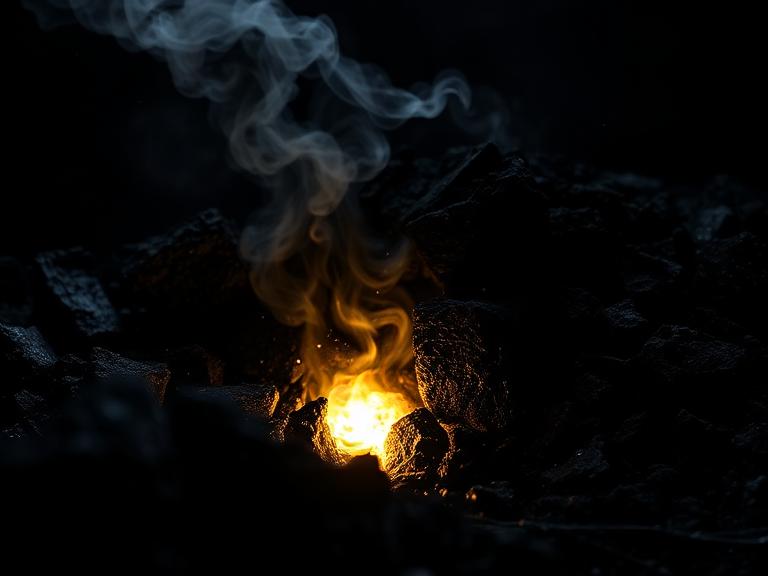
Petroleum coke, or petcoke, is a solid carbon-rich material manufactured in oil refineries during coking. It is derived from the heavy residual material that remains after crude oil is refined into gasoline, diesel, jet fuel, and other lighter products.
Refineries create it in bulk in the last high-temperature cracking step, where long hydrocarbon chains rupture and a solid carbon ‘coke’ phase develops. Petcoke is not coal, but a distinct fossil fuel byproduct with more fixed carbon and distinct impurities.
Due to its high energy content and range of quality, it is used both as a low-cost fuel and as an industrial carbon feedstock.
1. Composition
Petcoke is composed predominantly of elemental carbon, typically 98 to 99 percent in the higher grades, along with small amounts of sulfur, nitrogen, hydrogen, and heavy hydrocarbons.
These include trace metals and mineral matter that appears as ash post-combustion in many samples. The type of crude and the refinery’s coker design determine this composition.
Heavy, sour crudes tend to result in elevated sulfur petcoke, whereas purer feedstocks may produce low-sulfur, low-metal substances that meet stringent industrial standards. Impurities count for consumption.
Ash and metals can harm boilers, pollute cement kilns, or corrode electrodes. Sulfur and nitrogen increase heating value but impact air emissions standards and control technology requirements. Typical trace metals can be vanadium, nickel, iron, aluminum, boron, and calcium in low yet significant quantities.
In a chemical sense, petcoke has condensed aromatic hydrocarbons, organic and inorganic sulfur compounds, and metal salts or oxides tied to the carbon network.
When refined and used in controlled conditions, it typically does not emit heavy metals as volatile gases. However, these can still leach into dust, ash, or process residues.
2. Production
Most petcoke is derived from thermal cracking or coking of heavy refinery residues such as vacuum residue or pitch in coker units. At elevated temperatures, long-chain hydrocarbons crack, light vapors continue on to make fuels, and the residual material rearranges into a porous solid carbon structure.
Production is all built into the refinery flow. Units output ‘green’ pet coke first, which still contains higher volatile matter and residual oils. Some of this green coke is then subjected to an additional high-temperature step in a rotary kiln or shaft furnace to become calcined petroleum coke with greater purity and density.
Coker operating conditions, such as temperature, pressure, cycle time and drum design, as well as the type of feedstock, all greatly influence sulfur content, volatile content, hardness and particle structure.
These variables determine whether a lot is better used as bulk fuel for a cement plant or as a precision carbon source for an aluminum smelter.
3. Classification
Petcoke is generally divided into fuel grade and calcined grade, depending primarily on sulfur, metals, and end use. Fuel grade, which often has higher sulfur and metals, goes to industrial boilers, cement kilns, and some power plants equipped to handle its combustion profile.
With a high fixed carbon content and higher nitrogen and sulfur content, fuel-grade petcoke has very high energy content and, weight for weight, can emit approximately 30 to 80 percent more CO₂ than many coal types when burned.
Calcined pet coke is a purer form of carbon. Once further heated, it has low volatile matter, higher density, and more controlled impurity levels. This allows it to be suitable for aluminum anodes, graphite electrodes for steelmaking, and other specialty carbon products where conductivity and structure are key.
Among these general categories, refineries and consumers further differentiate sponge coke, needle coke, honeycomb coke, and shot coke. Sponge coke has a porous, sponge-like texture and is common as fuel or anode feed.
Needle coke has a needle-like, anisotropic structure and is valued for premium graphite electrodes. Honeycomb and shot coke are both separable but have more specialized, sometimes more problematic morphologies. Their industrial value is much more dependent upon process requirements and feed handling systems.
4. Specifications
Key petcoke specifications include mass percent elemental carbon, sulfur content often reported as percent by mass, ash content, volatile matter, moisture, and specific metal contaminants such as vanadium, nickel, iron, calcium, and others.
Buyers monitor density, hardness, and grain size.
| Property | Fuel Grade Petcoke | Calcined Grade Petcoke |
|---|---|---|
| Fixed carbon (%) | High, but more variable | Very high, often 98–99% |
| Sulfur (%) | Medium to very high | Low to medium, tightly controlled |
| Volatile matter (%) | Higher | Very low after calcining |
| Ash and metals | Higher, less controlled | Lower, with strict impurity limits |
| Typical use | Boilers, cement, some power units | Aluminum anodes, electrodes, specialty |
Compliance with industry standards for these values is at the heart of safe handling, efficient combustion and product quality. Cement plants, for example, must monitor chlorine and metals to safeguard kiln linings and clinker quality.
Aluminum smelters establish tight ranges for sulfur and trace metals to preserve cell performance. Routine lab testing of petcoke lots using standardized methods for sulfur, ash, metals, and carbon content is standard practice prior to large-scale use or blending with other fuels.
Industrial Applications
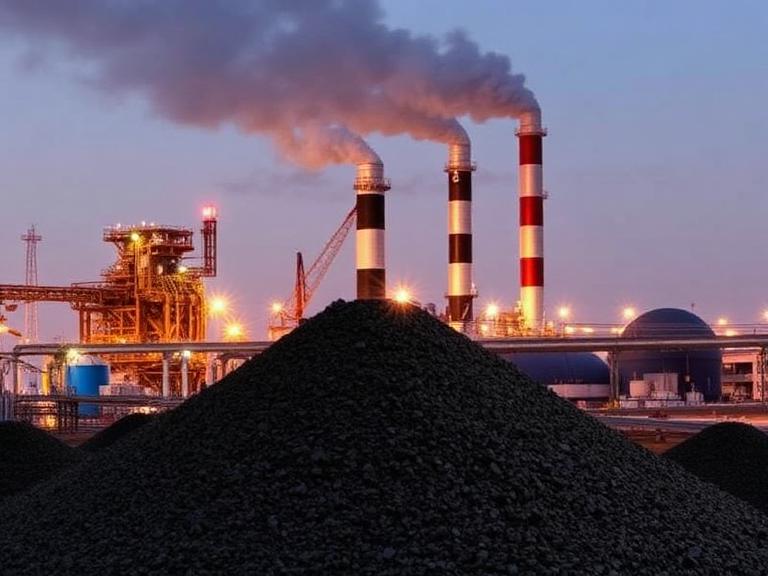
Petroleum coke, a crucial industrial material, is primarily utilized as an effective fuel and as a carbon material in high-temperature processes.
- Fuel for cement kilns, power plants, and industrial boilers, owing to high heating value and low ash.
- Feedstock for calcined petroleum coke underpins aluminium, steel, and graphite output.
- Carbon additive and process aid in metals, brick plants, fertilizers, and some chemical lines.
- Economical coal alternative wherever regulations and infrastructure permit.
Fuel Grade
Fuel grade petcoke is a dense, high-carbon fuel that is commonly substituted for coal in cement kilns, large industrial boilers and a few power plants. It has a higher heating value than many met cokes and bituminous coals due to its more than 80% carbon content as well as higher nitrogen and sulfur.
This translates into plants receiving more energy per tonne and less ash to deal with in kilns or boilers. Its primary attraction is cost and availability. Refineries worldwide produce fuel grade petcoke as a by-product, so it is generally less expensive and more cost stable than most coals.
That’s important for energy-intensive users who run units around the clock and require stable fuel prices. Increased sulfur and metals can cause more SO₂, NOₓ, trace metals, and fine particles such as PM10 and PM2.5. Improper handling or open storage can generate fugitive dust, and petcoke burning releases approximately 5 to 10 percent more CO₂ per energy unit than coal.
Typical users of fuel grade petcoke include:
- Cement and lime plants
- Utility and captive power plants
- Large industrial boilers (refineries, petrochemicals, paper)
- Some brick and ceramics plants
Calcined Grade
Calcined petroleum coke begins as “green” coke and is then subjected to high-temperature treatment, frequently in a rotary kiln, to expel volatile hydrocarbons, moisture and most residual impurities. This calcining step reduces sulfur and metals, compacts the crystalline carbon structure, and provides a more stable, low-ash product.
That purified structure renders calcined coke critical in a number of high-value chains. In aluminium smelters, it is mixed with other materials to create anodes that transmit extremely high currents. Steel plants rely on it as a key feedstock for graphite electrodes in electric arc furnaces.
Both require controlled porosity, predictable electrical conductivity, and low impurity levels, which raw fuel grade petcoke cannot provide. Calcined petcoke is used as a carbon additive in metallurgical melts, in titanium and other high-temperature smelting, and in some specialty chemical processes that require consistent carbon quality.
Wherever operators require robust, clean, conductive carbon, not simply heat, calcined grade is typically the choice.
Operational & Health Risks
Operational & Health Risks: Petroleum coke’s operational and health risks focus on fine dust, toxic substances, and high-carbon combustion both at work sites and in adjacent communities. These risks manifest during processing, storage, shipment, and fueling.
Handling petcoke generates light, dry dust that lingers in the air. Workers who load ships, move piles with loaders, or work near conveyors can breathe in this dust for long shifts. Long-term exposure connects to asthma, chronic bronchitis, diminished lung capacity, and other respiratory problems.
Nearby residents can experience much the same problems when open piles or uncovered trucks permit dust to waft into streets and homes.
Petcoke contains heavy metals like vanadium, nickel, and chromium, as well as polyaromatic hydrocarbons (PAHs). When dust is breathed into the lungs or petcoke burns in kilns or power plants, these metals and organics can leach into air, soil, and water.
Health studies link long-term exposure to increased risks of cancer, nerve damage, and potential fertility issues. Combustion adds another layer. Fine particulate matter, sulfur dioxide, and nitrogen oxides raise rates of heart and lung disease, while carbon dioxide emissions from petcoke can be 30 to 80 percent higher per tonne than coal, adding to climate change impacts.
Key safety measures to cut these risks include controlling dust at every transfer point with covers, sprays, and local exhaust, enforcing fit-tested respirators and eye and skin protection in dusty zones, routine health checks for workers with lung function tests, strict housekeeping with wet sweeping or vacuum units instead of dry sweeping, careful storage with stable piles, fire watch, gas monitoring, and clear rules for hot work, spill control around stockyards and ports to stop runoff into soil and water, and clear emergency plans for fires, explosions, or major spills.
All of this requires routine, hands-on training so crews understand why controls are important and how to apply them during actual shifts.
Environmental Footprint
Petcoke sits near coal in its environmental footprint because it is a sulfur-rich, high-nitrogen, dense carbon fuel. Its footprint starts at the oil refinery process, where it’s separated from crude oil into fuels and heavier residues. Converting those residues to fuel grade petroleum coke utilizes heat and energy, generating greenhouse gas emissions in addition to emissions from the upstream oil supply. Sour or heavy crude can generate petcoke with increased metals and sulfur, increasing air and water hazards later in the life cycle.
When fuel coke burns, it releases carbon dioxide from its high fixed carbon content, as well as sulfur dioxide, nitrogen oxides, and fine particles. The increased sulfur and nitrogen levels, relative to many other fuels, can result in more acid-forming gases unless there are rigorous controls. Volatile matter, trace metals, and residual moisture contribute to the flue gas, which can exacerbate local smogs, haze, and health problems when controls are weak or absent.
Since petcoke acts much like coal both in the furnace and in the stack, its usage as fuel in power plants, cement kilns, and industrial boilers links directly to climate change and regional air quality.
Petcoke serves as a feedstock in aluminum, steel, and cement manufacture. Calcined petcoke, frequently used in anodes and electrodes, takes an additional high-temperature step that eliminates volatile matter, impurities, moisture, and other substances. That makes the product better and reduces some direct emissions at the point of use.
The calcination process itself requires massive quantities of energy and contributes its own greenhouse gas burden. Across these sectors, the net impact hinges on process design, fuel mix, and how effectively plants clean their exhaust.
Storage and handling determine the local footprint. Open petcoke piles, big stockyards, and export terminals can shed dust when it is dry and windy. Fine black dust can coat nearby homes, crops, and surface water. Rain and runoff leach metals and hydrocarbons into soil and waterways, particularly where drainage is inadequate or unlined.
Coke domes and covered sheds minimize wind-blown dust but still require robust runoff, spill control, and housekeeping systems to prevent petcoke from leaking into storm drains and rivers.
Reducing these effects requires a combination of cleaner habits and superior innovation. At the site level, it can mean fully covered storage, enclosed conveyors, paved and cleaned traffic areas, lined drainage channels, and leachate collection. At combustion, that translates to flue-gas treatment for SO2, NOx, and particulates and, where feasible, carbon capture to reduce CO2.
Others mix lower-sulfur petcoke with other fuels to comply with air limits. Others direct petcoke to more controlled applications, like high-efficiency cement kilns instead of small boilers. Recycling by-products, like capturing and reusing fly ash or sulfur, can reduce the waste stream.
More generally, any decision to use petcoke should balance its immediate cost savings against long-term climate and local pollution costs. For many operators, the most realistic path is not a sudden exit but a stepwise shift: better emission controls now, smarter storage and handling, more efficient kilns and boilers, and a longer-term move toward lower-carbon feedstocks and energy.
The Governance Gap
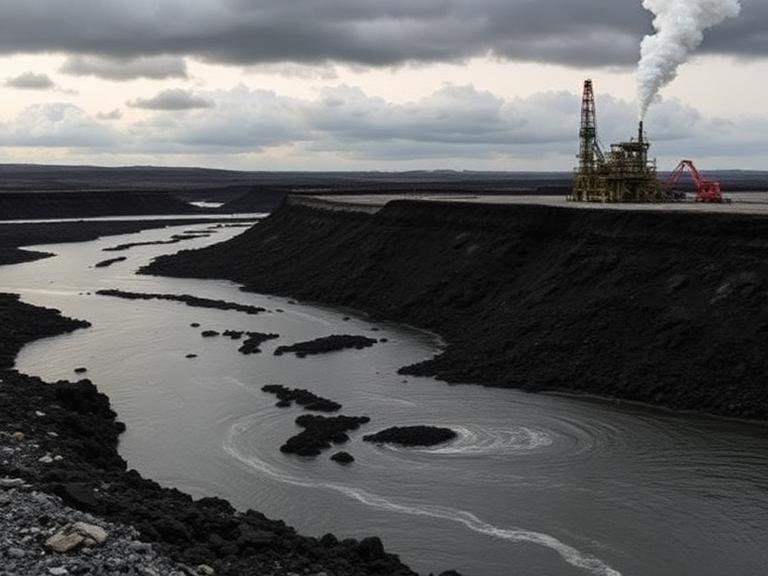
That governance gap around petroleum coke means rules, oversight, and real-world practice don’t line up. It manifests throughout the lifecycle of fuel grade petroleum coke, from production to disposal, impacting workers, surrounding communities, and the environment.
As with many polluting industries, there are glaring governance gaps and inconsistencies in how countries and even neighboring regions regulate petcoke production, handling, and emissions. Some ports might demand covered storage, covered conveyors and real-time dust monitoring, while others permit open piles and rudimentary visual inspections.
Such patchy management can result in uncontained fugitive dust, such as PM10 and PM2.5, that spreads well beyond the site. According to residents and officials in cities like Chicago, Detroit, and Green Bay, lax regulations or enforcement have contributed to dust clouds, complaints, and elevated worry about air quality.
Inventory and storage and waste disposal standards are all over the place, too. A few sites monitor stockpiles carefully, employ lined pads, stormwater controls, and closed-loop systems for runoff.
Others stockpile petcoke on bare soil adjacent to waterways or leave piles unwrapped, increasing the potential for windblown dust and runoff pollution. In the absence of common, granular standards, small operators and even big terminals might fall back on less expensive, short-term decisions that shift hazards to local neighborhoods.
Petcoke pollution and worker safety monitoring and reporting rules are frequently narrow or vague. Facilities can report total dust or greenhouse gases but often cannot specify fine particles associated with handling petroleum coke.
Worker exposure to dust, noise, and heat might be recorded only during official checks or not at all. This data inconsistency obscures trends in respiratory issues and other health concerns and conceals long-term expenses associated with cleanup, medical care, and missed work days.
Closing this governance gap requires more robust frameworks, clearer responsibilities, and improved instruments. Policy changes, public reporting, and community input help set realistic standards.
Shared training and audits can align government agencies, companies, and local groups around safer, more sustainable petroleum refining management.
Why Petcoke Training Matters
This is why petcoke training matters. This stuff isn’t your average coal, and little errors in how people store, move, or burn it can scale into big health, safety, and compliance issues at massive plants.
Specialized training, like EPW Training’s Petcoke course, develops hands-on skills centered on actual plant conditions. In refineries, cement plants, and power stations, staff handle petcoke in hot, pressurized systems, where a minor slip can result in equipment failure or harm.
Training breaks down core tasks step by step: how to run and monitor delayed coking units, how to manage calcining where volatile matter and sulfur can release, and how to plan safe shutdowns. It explains how to transport and stockpile petcoke so dust, fire hazard, and runoff remain managed, which is something difficult to discover through trial and error.
A good program describes what petcoke is chemically and why that matters to our daily work. Composition can vary significantly with the petroleum feedstock, with carbon content reaching as high as 98 to 99 percent and heavy metals including nickel, vanadium, and mercury.
Employees who know this can select appropriate filters, PPE, and disposal pathways. They learn how petcoke differs from coal grindability, ash, and behavior in kilns and boilers so they can tune burners, air rates, and mix with other fuels to achieve stable heat and less unburned carbon.
Training connects such properties to control and environmental consequences. Petcoke can generate 30 to 80 percent more CO2 per kilogram than coal, so effective combustion and energy consumption are not just cost issues, but climate and permit issues as well.
With global petcoke use expanding in high-demand markets, regulators are increasingly concerned about dust, storage piles, and disposal polluting air, soil, and water. Petcoke training is important because good courses enable teams to interpret local and global standards, design sulfur and metal focused emission controls, and maintain audit ready records.
Refreshers on an ongoing basis help companies keep up with pace as best practice, fuel mixes, and rules shift across regions and sectors.
Conclusion
Petcoke in fuel and industry. It can reduce expenses and bolster critical supply chains. It can present obvious hazards for employees, facilities, and surrounding populations. Dust, heat, and heavy metals lie at the center of those risks, not nebulous ‘hazards.’
Robust regulations, effective inspections and genuine worker empowerment all contribute to bridging the gap between utilization and regulation. Good training does too. Crews learn how petcoke behaves, how equipment breaks down and how minor slips escalate into actual injuries.
To move forward intelligently, examine your own facility. Trace out the petcoke flows, traverse the yard, scout around, and strike up conversations with teams. Then develop or tweak training that matches what they encounter daily.
Frequently Asked Questions
What is petroleum coke (petcoke)?
Petcoke, a carbon-dense solid derived from the oil refining process, is created during the thermal cracking process. Refineries typically utilize fuel grade petroleum coke as an effective fuel or market it to various industries such as cement and power.
How is petcoke used in industry?
Petcoke, a high carbon content material, is primarily utilized as an effective fuel and carbon source in industrial processes. It fuels cement kilns, lime plants, and certain power plants, while also serving in the aluminum anode baking process and select applications in the steel industry.
What are the main health risks of petcoke?
Petcoke dust, which consists of fine petroleum coke particles, can irritate eyes, skin, and lungs. These particles may penetrate deeply into the lungs, and long-term exposure can exacerbate asthma and other lung issues. Effective dust control, personal protective equipment, and health surveillance mitigate these hazards.
How does petcoke affect the environment?
Petcoke burning emits CO2, SOx, NOx, and PM, which can impact air quality and fuel climate change. Additionally, improper pet coke storage and handling can contribute to localized dust concerns and contamination of surrounding areas.
Why is petcoke considered a governance challenge?
Petcoke regulations differ vastly between countries and regions, especially regarding fuel coke storage and monitoring. This regulatory gap can lead to varied safety, environmental, and community protection standards across the petroleum refining process.
Why is specialized petcoke training important?
Training specifically enables workers to manage, store, and transport petroleum coke safely. This training minimizes the potential for accidents, controls dust exposure, and guarantees compliance with regulations in handling petroleum coke effectively.
Who needs petcoke safety and handling training?
Operators, maintenance teams, supervisors, transport staff, and contractors working near petcoke need training. Environmental, health, and safety professionals receive value. Well-trained crews enable safer operations and improved environmental results.
Browse Petcoke Training Courses Below :