
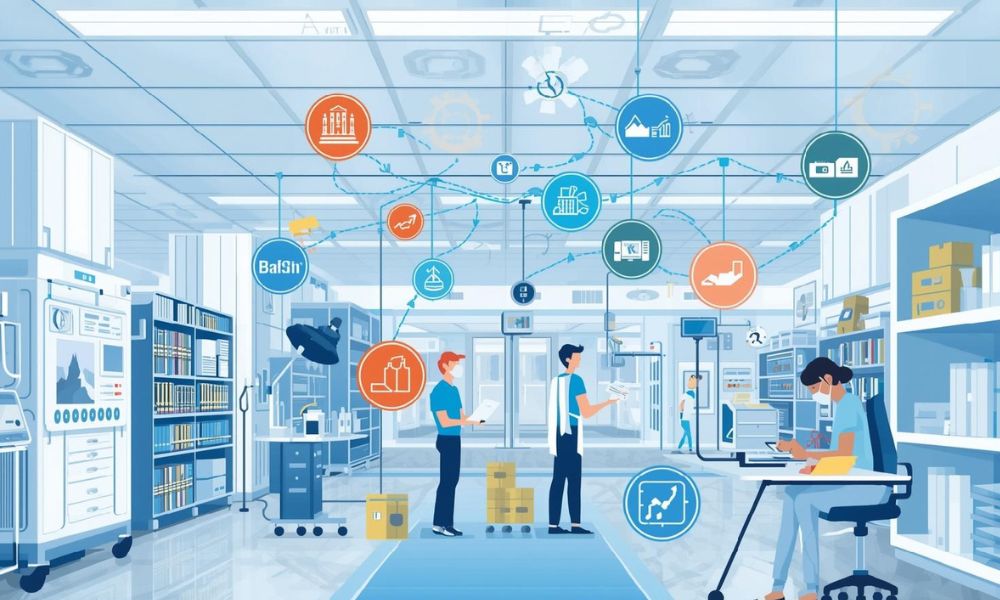
In today’s chaotic health care industry, health care supply chain management is increasingly focused on the stead of hospitals and medical facilities: to support the delivery of quality patient care. But just what is supply chain management in healthcare, and why does it matter so much?
This is due to management of the movement of medical supplies, drugs and equipment from manufacturers to end users. Efficient and orderly management of such resources helps in their availability when required, cost-effectiveness and above all patient safety. Let’s see – how does efficient supply chain management influence the Healthcare Industry.
What is Supply Chain Management in Healthcare?
In healthcare, the SCM encompasses all of the activities associated with moving products from a supplier (vendor or manufacturer) to a customer, including order placement, production and information systems coordination in between. That includes finding and transporting medical supplies to hospitals, clinics and even doctors. This is to prevent this necessary supplies from ever being unavailable, and therefore standing in the way of health care.
The healthcare supply chain is especially complicated due to the unique nature of medical supplies and strict regulations governing their use. The purpose of healthcare SCM is to ensure that the flow of goods is optimized, costs are reduced and inefficiencies minimised, without compromising patient care.
Key Elements of Healthcare Supply Chain Management
Healthcare supply chain management plays a crucial role in the overall functioning of healthcare operations. Understanding the key components involved is essential to grasp how each element contributes to efficient healthcare delivery. These components ensure that healthcare providers have access to the necessary supplies, medications, and equipment when needed, which is vital for patient care.
Key components of healthcare supply chain management include:
- Procurement: This is the process of acquiring medical supplies, pharmaceuticals, and equipment. Healthcare organizations need to establish strong partnerships with trusted suppliers to ensure timely delivery of the right products.
- Inventory Management: Effective tracking of stock levels is essential. Advanced inventory systems allow healthcare providers to monitor the availability of supplies and medications in real-time, minimizing the risk of running out unexpectedly.
- Logistics and Distribution: This component focuses on the transportation and storage of goods from suppliers to healthcare facilities. Efficient logistics systems help ensure timely arrivals of products, reducing the risk of stockouts and delays.
- Technology Integration: Modern technological solutions have transformed supply chain management. Automated tracking systems and predictive analytics tools help optimize inventory management and enhance overall efficiency within the supply chain.
By integrating these components effectively, healthcare organizations can maintain a smooth, efficient, and responsive supply chain that supports optimal patient care.
Why Supply Chain Management Matters in Healthcare
Effective supply chain management directly influences patient care, operational efficiency, and cost management within healthcare systems. Here’s why it matters:
Patient Care
Ensuring that the right medical supplies and medications are available when needed is vital for patient safety. Without effective supply chain management, healthcare facilities may experience shortages of critical items, leading to delays or even life-threatening consequences.
Cost Efficiency
Healthcare organizations are constantly looking for ways to reduce expenses while maintaining high-quality care. Efficient supply chain management helps cut unnecessary costs, such as overstocking or emergency procurement at premium prices.
Operational Efficiency
A well-optimized supply chain enables healthcare providers to function smoothly. By having the necessary resources readily available, hospitals and clinics can streamline operations, improving patient flow and reducing delays in treatment.
Regulatory Compliance
Healthcare supply chains are heavily regulated. Compliance with strict standards ensures that medical products are safe and effective for use. SCM helps organizations navigate these regulations, reducing the risk of penalties or patient harm.
Challenges in Healthcare Supply Chain Management

Despite the importance of SCM, healthcare organizations face several challenges in managing their supply chains efficiently:
Demand Variability
The demand for medical supplies and products can fluctuate significantly, especially in the case of seasonal diseases or health crises such as pandemics. This variability can lead to stockouts or excessive inventory, both of which can disrupt healthcare operations.
Global Supply Chain Disruptions
Healthcare supply chains often depend on global suppliers. Issues such as international trade disruptions, natural disasters, or geopolitical factors can impact the timely delivery of essential supplies, as seen during the COVID-19 pandemic.
Regulatory Complexities
Healthcare providers must navigate a maze of regulations to ensure that medical products meet safety standards. These regulations can vary by region and product, creating added complexity for those managing the supply chain.
Cost Management
Rising costs for medical supplies, transportation, and labor can strain healthcare budgets. Managing costs while maintaining quality care is a delicate balance for supply chain managers.
The Role of Technology in Healthcare Supply Chains
Technology has revolutionized supply chain management across industries, and healthcare is no exception. Here’s how technology improves healthcare SCM:
Automation
Automation tools help streamline tasks like inventory tracking and order management. These tools reduce human error and ensure that the right products are always available when needed.
Predictive Analytics
Advanced data analytics enable healthcare organizations to forecast demand based on historical data and trends. This allows for better planning and reduces the likelihood of shortages or surpluses.
Blockchain
Blockchain technology provides enhanced transparency, ensuring that medical products are traceable and meet regulatory standards. It helps reduce counterfeit products and improves trust in the supply chain.
IoT and RFID
Internet of Things (IoT) devices and Radio Frequency Identification (RFID) tags allow for real-time tracking of medical supplies. These technologies provide visibility into the location and status of products, improving inventory management.
Best Practices for Optimizing Healthcare Supply Chains
To optimize healthcare supply chains, organizations can adopt several best practices:
Centralized Procurement
Consolidating purchasing efforts across multiple departments or facilities can lead to better pricing, improved supplier relationships, and more consistent supply levels.
Regular Inventory Audits
Conducting frequent audits of inventory helps identify trends, prevent overstocking, and reduce waste. This ensures that healthcare providers always have the right amount of stock on hand.
Collaborative Supplier Relationships
Developing strong relationships with suppliers can lead to better communication, reduced lead times, and more favorable terms. This helps healthcare providers get the products they need when they need them.
Lean Supply Chain Practices
Implementing lean practices helps eliminate waste and inefficiencies, ensuring that resources are used optimally. This can lead to cost savings while maintaining high service levels.
The Future of Healthcare Supply Chain Management
As healthcare evolves, so too will the systems used to manage its supply chains. Key trends shaping the future include:
- Increased Automation: The growing use of robotics, AI, and automation will continue to streamline supply chain processes, reducing costs and improving efficiency.
- Local Sourcing: In response to global supply chain vulnerabilities, many healthcare organizations are looking to source products locally to ensure faster delivery and reduce dependency on international suppliers.
- Sustainability: Green supply chains are becoming more important as healthcare organizations look for ways to reduce their environmental impact. Sustainable sourcing, reduced packaging, and energy-efficient logistics are all part of this trend.
Conclusion
Supply chain management in healthcare is a cornerstone of effective patient care and operational success. By understanding the essential components of SCM and addressing the challenges it presents, healthcare providers can ensure that they always have the resources needed to care for their patients. With the integration of new technologies and best practices, the future of healthcare supply chains looks promising, offering better efficiency, reduced costs, and improved patient outcomes.
Whether you’re a healthcare provider, a supplier, or a stakeholder in the healthcare sector, optimizing your supply chain is key to staying ahead in an increasingly complex and demanding industry.