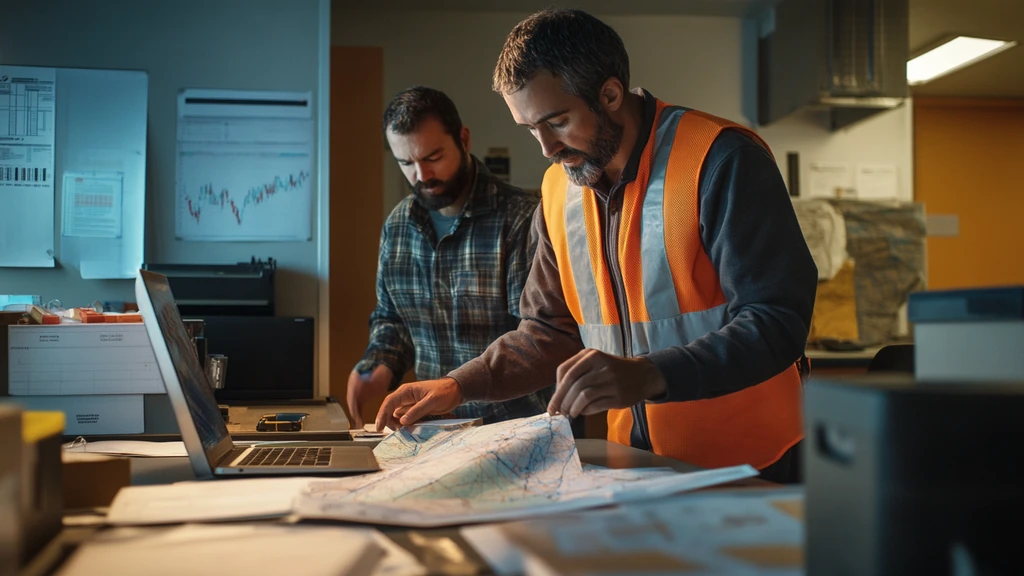
Unlock Petroleum Geology Skills & Career Opportunities

Unlock Petroleum Geology Skills & Career Opportunities

Petroleum geology is an important field of Earth science involving the examination and exploration of petroleum reservoirs. Geologists in this field are key to finding oil and gas deposits and extracting them as efficiently and responsibly as possible. With global energy needs climbing ever higher, the demand for qualified petroleum geologist remains strong. Petroleum geology training programs equip aspiring professionals with the knowledge and practical skills needed to thrive in this dynamic industry.

In this article, we explore what you can expect from petroleum geology training courses and the skills you will learn, as well as how such training provides the foundation for a successful career in this high-demand field.

What is Petroleum Geology And Why Should You Care?

Petroleum geology is a scientific field that studies the subsurface of Earth concerning the exploration and production of petroleum, specifically oil and gas. This information helps geologists figure out where to drill (and also how to maximize production). Petroleum geologists study rock formations, sedimentary layers and seismic data to find the best sites for exploration and extraction.

Petroleum geology is important because it is vital for the efficient and sustainable extraction of oil and gas. When not done right, drilling can be wasted effort, negatively impact the surroundings at best and lead to losses in money and time.

The Rising Need for Petroleum Geology Professionals

Let us not forget the world needs energy; hence why they will always call for petroleum geologists. New sources of oil and gas are being pursued, now in deep water or churning sand dunes, which means we need experts who have the skills to find it — and pull it safely from these extreme environments.

In petroleum geology, geologists be involved in finding potential drilling sites but also assessing reserves and techniques for increasing yield. Hence, an abundant career option with great job security is being introduced in this field.

What You’ll Learn in Petroleum Geology Training Courses

Petroleum geology training courses offer comprehensive education on various aspects of the field. These courses are designed to teach both theoretical concepts and practical skills. Key areas covered include:

Core Geological Principles:

  • Earth Materials and Geological Processes: The basics of sedimentary rocks, minerals, and the processes that lead to the formation of oil and gas reserves.
  • Structural Geology: How geological structures like faults and folds impact the formation of petroleum reservoirs.

Specialized Techniques:

  • Seismic Data Interpretation: Using sound waves to map subsurface structures and locate petroleum reserves.
  • Basin Analysis: Analyzing sedimentary basins to understand how oil and gas deposits accumulate.

Students gain hands-on experience with industry-standard tools and technologies, including well logging, core sampling, and reservoir modeling. This practical experience ensures that trainees are prepared for the challenges of real-world exploration and extraction.

Choosing the Right Petroleum Geology Training Program

Choosing the Right Petroleum Geology Training Program

Selecting the right petroleum geology training course is crucial for building a successful career in the field. Factors to consider include the curriculum, course duration, instructor expertise, and the inclusion of practical fieldwork. Many training programs offer online and in-person options, allowing students to choose the learning style that suits them best.

It’s important to choose a program that covers the full range of geological, geophysical, and geochemical techniques, as this multidisciplinary approach is essential for a comprehensive understanding of petroleum geology.

Key Modules in Petroleum Geology Training

Petroleum geology training courses are typically divided into several key modules, each designed to equip students with the necessary knowledge and skills.

Introduction to Geological Materials

This module covers sedimentary rock types, minerals, and how they are formed. Students learn about the processes that lead to the accumulation of petroleum.

Seismic Interpretation and Basin Analysis

Students are introduced to seismic surveys and learn how to interpret the data to identify potential drilling sites. Basin analysis helps students understand the formation of petroleum reservoirs.

Reservoir Engineering and Production Geology

This module focuses on optimizing the extraction process. Students learn about reservoir management, fluid flow, and production techniques to maximize the yield of oil and gas reserves.

Tools and Technologies in Petroleum Geology

Petroleum geologists rely heavily on cutting-edge technologies to locate and assess petroleum deposits. During their training, students learn how to use a variety of tools, such as:

  • Seismic Equipment: Used to map subsurface structures.
  • Geological Mapping Software: Helps create accurate representations of geological formations.
  • Reservoir Simulation Tools: Used to model fluid flow and predict production rates.

These tools are vital for making informed decisions about where to drill and how to manage existing reservoirs efficiently.

Practical Experience: Fieldwork and Internships

Practical experience is a crucial component of petroleum geology training. Many courses include fieldwork, where students participate in hands-on activities such as:

  • Core Sampling: Extracting samples from drilled wells to study rock formations and fluid content.
  • Geological Mapping: Learning how to create detailed maps of geological formations in the field.

Fieldwork ensures that students gain real-world experience and understand how theoretical knowledge translates to practical application. This hands-on training prepares graduates to tackle the challenges of petroleum exploration and production.

Career Paths After Completing Petroleum Geology Training

Upon completing petroleum geology training, graduates have various career paths to explore. Petroleum geologists can work in exploration, production, environmental consulting, and more. Some potential roles include:

  • Exploration Geologist: Focuses on identifying new oil and gas reserves.
  • Production Geologist: Optimizes oil extraction processes.
  • Environmental Geologist: Ensures drilling operations are conducted in an environmentally responsible manner.

The skills gained from petroleum geology training open doors to exciting and well-compensated positions in the oil and gas industry, offering excellent job security and growth potential.

Certifications and Further Qualifications

In addition to completing training courses, obtaining certifications in specialized areas can further enhance a geologist’s qualifications. Certifications in seismic interpretation, reservoir management, and other petroleum-specific skills are valuable assets in the job market.

Professional organizations often offer certification programs, which not only boost career prospects but also provide ongoing education opportunities to keep up with industry developments.

Conclusion

Petroleum geology training courses offer an in-depth understanding of the processes that govern petroleum exploration and extraction. By learning essential skills such as seismic data interpretation, reservoir management, and geological mapping, aspiring geologists can embark on a rewarding career in the energy sector.

As the demand for oil and gas continues to rise, the need for skilled professionals in petroleum geology will only grow. By enrolling in the right training program, individuals can gain the knowledge, practical experience, and qualifications required to succeed in this dynamic and essential field.