
In property management, third-party risks are a significant challenge for property owners and managers alike. These risks can stem from contractors, service providers, tenants, and even technology vendors. While these external entities are crucial for smooth property operations, they also present potential hazards that, if left unchecked, can impact the property’s financial stability, legal standing, and overall functionality.
Understanding how to mitigate third-party risks in property management is essential for creating a secure and efficient management system. This article explores key strategies to address these risks and protect your investments, ensuring the smooth running of your property management operations.
Understanding Third-Party Risks in Property Management
Third-party risks refer to potential problems that arise from interactions with outside entities, such as contractors, tenants, and service providers, that could negatively affect property management. These risks can lead to a range of issues including financial loss, operational disruptions, and legal challenges.
Common examples of third-party risks include:
- Contractor failures: Poor workmanship, delays, or even legal disputes.
- Tenant disputes: Non-payment, lease violations, or property damage.
- Service provider issues: Missed service deadlines or subpar performance.
- Technology vendor failures: Security lapses or malfunctioning systems affecting property safety.
Understanding these risks is the first step in developing strategies to minimize them and ensure your property runs smoothly.
Types of Third-Party Risks in Property Management
Contractor and Service Provider Risks
Contractors and service providers are vital to maintaining a property. However, their performance can significantly impact the property’s value and tenant satisfaction. Poorly executed work, delayed schedules, and legal disputes are common risks that can arise when working with external contractors.
Tenant Risks
Tenants bring in revenue, but they also bring certain risks. Issues such as missed payments, property damage, lease violations, or disputes with neighbors can quickly escalate. In some cases, tenants may refuse to vacate the property, leading to expensive and time-consuming legal battles.
Vendor and Supplier Risks
Vendors supply essential services such as landscaping, cleaning, security, and maintenance. Any failures or delays in their services can lead to tenant dissatisfaction or safety concerns. Additionally, inconsistent service quality or non-compliance with regulations can expose property managers to reputational and legal risks.
Technology Provider Risks
As properties adopt smart home systems, automated services, and security solutions, property managers are increasingly reliant on technology providers. However, any failure in these systems can jeopardize property safety, data security, and operational efficiency. Moreover, non-compliance with privacy laws and data breaches can lead to significant legal and financial consequences.
How to Mitigate Third-Party Risks in Property Management
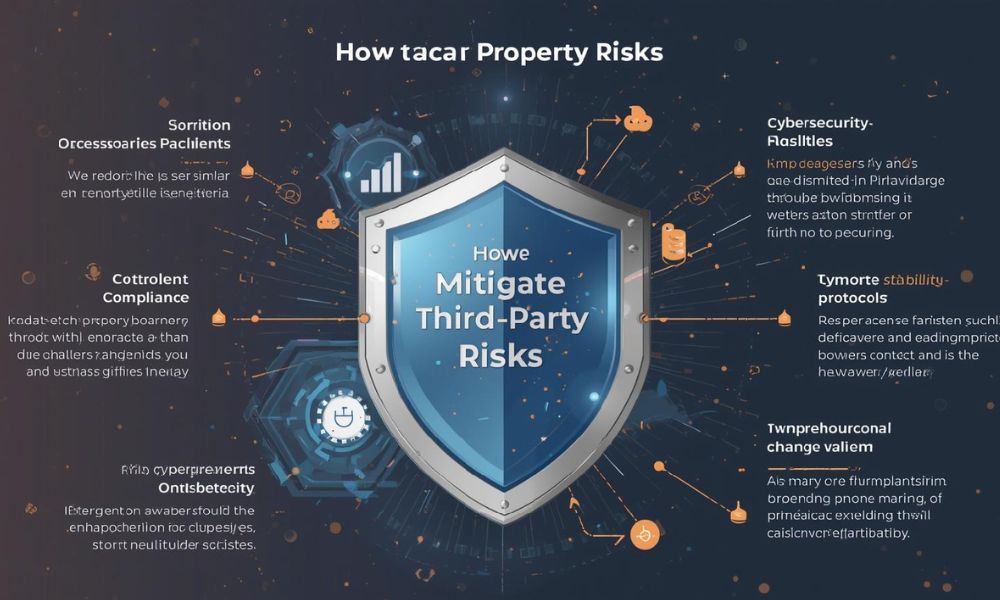
Mitigating third-party risks requires a proactive and strategic approach. Here are several key strategies to help property managers safeguard their properties from third-party risks:
Conduct Comprehensive Background Checks
Before engaging with any third party, property managers should conduct thorough background checks. This applies to contractors, service providers, and tenants. For contractors, check their certifications, insurance, and track record. For tenants, evaluate their rental history, creditworthiness, and references. Background checks help ensure you’re working with reliable and responsible parties.
Establish Clear and Detailed Contracts
Clear contracts are the foundation of any successful third-party relationship. These contracts should outline expectations, roles, timelines, payment terms, and penalties for non-performance. For contractors and vendors, include clauses that specify service levels and compliance with safety regulations. For tenants, make sure the lease agreement clearly defines responsibilities regarding property maintenance and payment terms.
Verify Insurance Coverage
Insurance coverage is crucial for protecting both property managers and third parties from potential liabilities. Ensure that contractors, vendors, and even tenants have adequate insurance coverage. This includes general liability insurance for contractors, property insurance for tenants, and workers’ compensation coverage. Verifying insurance helps prevent financial losses in case of accidents, property damage, or legal disputes.
Maintain Regular Communication
Regular communication with third parties is essential to address any issues before they become major problems. For contractors, check in periodically during the course of a project to ensure everything is progressing according to schedule and specifications. For tenants, establish open lines of communication to discuss concerns about the property. For vendors, ensure they meet agreed-upon service levels and timelines.
Monitor and Audit Third-Party Performance
Even with solid contracts and good communication, regular monitoring of third-party performance is necessary to ensure compliance and quality. Conduct routine audits to verify that contractors and vendors are meeting their obligations. For instance, inspect completed maintenance work, track vendor performance through tenant feedback, and review service reports regularly.
Implement Technology for Better Management
Using property management software is an effective way to streamline third-party management. Many software solutions allow property managers to track contracts, monitor payments, and store essential documentation securely. Technology can also automate maintenance requests, manage tenant communications, and ensure timely payments to contractors and vendors. By centralizing information, property managers can reduce errors and improve risk management.
Ensure Adequate Property Insurance
Comprehensive property insurance is a must-have for mitigating third-party risks. Make sure your property is insured for a wide range of potential issues, including tenant damage, contractor negligence, and unforeseen incidents. Additionally, consider adding an umbrella insurance policy for extra protection against catastrophic events. This provides a financial safety net in case third-party risks escalate beyond expectations.
Enforce Agreements and Contracts Strictly
If a third party fails to meet their contractual obligations, property managers must act quickly. Enforcing contracts helps ensure that third-party risks are minimized. Whether it’s evicting a non-compliant tenant or terminating a contract with an underperforming vendor, swift action can prevent financial loss or damage to the property. Ensure that all third-party agreements have clear penalties for non-performance or violations.
Conclusion
Mitigating third-party risks in property management is crucial for protecting the integrity and profitability of a property. By conducting thorough background checks, creating solid contracts, verifying insurance coverage, and maintaining regular communication, property managers can reduce the likelihood of costly mistakes. Implementing technology to track and monitor third-party performance and ensuring that the property is adequately insured further strengthens risk management practices.
While third-party risks can never be fully eliminated, a proactive and systematic approach will help property managers maintain a secure, efficient, and profitable operation. By understanding and managing these risks, property managers can ensure the long-term success of their properties and protect their financial and operational interests.