

Project management is important to the success of every business, no matter how big or small. In a fast moving world as today is, managing smoothy time resources expectations is essential. As industries expand, the need for qualified project managers soars. A project management course can provide the fundamental skills and knowledge for operating within this fluid environment. Whether you seek to control your own projects internally or build an empire externally with the largest of businesses, this course provides you with everything it takes!
In this article, we’ll also present you with some of the basics of a project management course online as well as its advantages and how it can be more helpful in opening other career doors – which all makes sense for both those seeking career growth or considering to transition careers.
What Will You Learn in a Project Management Course?
A project management course covers all the key topics, and trains them to handle projects from beginning to end. By the end, students will be exposed to foundational principles, processes and tools leading project management professionals practice in areas such as: project scope, planning, execution, monitoring and closing. The programme also investigates methodologies such as Agile, Waterfall and Lean; providing disciplined plans to maintain projects on-time, within budget and in line with quality expectations.
In addition to technical know-how, the course focuses on soft skills like leadership, communication and problem-solving. Good project management is not only task management, but team management and expectation and people good hard skills for projects to have.
Overview of Project Management Course for Beginners
Being beginner oriented, the course is presented starting from 0 and grows over more advanced topics. It’s a great starting point for those new to project management or seeking to add structure to what they already know.
At the beginner level it may be a simple approach to project management knowledge, such as what is a project, goals setting, creating dates and knowing at least 1 tool for task tracker. To be sure, you won’t necessarily be introduced from the start to more advanced concepts as a beginner, but these courses are laying the foundation for that kind of study and real-world application.
Key Topics Covered in a Project Management Course
A comprehensive project management course dives into several key topics, including:
- Project Scope and Objectives: Understanding how to define project scope and set clear objectives.
- Time Management: Learning how to effectively schedule tasks and manage project timelines.
- Risk Management: Identifying potential risks and creating mitigation strategies to reduce the impact of unforeseen events.
- Resource Allocation: Efficiently managing human, financial, and material resources to maximize productivity.
- Stakeholder Management: Balancing the needs and expectations of various stakeholders involved in the project.
- Team Leadership and Communication: Managing teams, leading through challenges, and communicating effectively across all levels.
These topics ensure that anyone taking the course is well-prepared for a wide range of project management challenges.
Why Should You Take a Project Management Course?
Project management is a highly sought-after skill in many industries, and completing a project management course is one of the best ways to gain these valuable skills. Whether you’re aiming to advance in your current role, change careers, or pursue freelance opportunities, a project management course provides several distinct advantages.
- Career Advancement: With a formal qualification in project management, you’ll be equipped to take on higher-level responsibilities and leadership roles.
- Improved Job Prospects: Many employers actively seek certified project managers for their ability to deliver results in an efficient and structured manner.
- Increased Earning Potential: The specialized skills gained through a project management course can often lead to higher salaries.
- Practical Skills: Rather than theoretical knowledge alone, the course prepares you with real-world tools, techniques, and strategies that can applied immediately in the workplace.
Building Key Skills for Managing Projects Successfully
A project management course develops several key competencies. One of the most critical is leadership. As a project manager, you must guide a team, communicate goals, and make pivotal decisions. Learning how to motivate team members, resolve conflicts, and negotiate with stakeholders are skills that can only be honed through training and practice.
Time management is another vital skill covered. Effective scheduling, task prioritization, and balancing multiple responsibilities are core to project management. Participants in these courses learn how to make the best use of their time and resources to keep projects on track.
The Benefits of Having Project Management Certification
While completing a project management course is beneficial, earning certification takes it one step further. Certification, such as PMP (Project Management Professional) or CAPM (Certified Associate in Project Management), can significantly enhance your credibility and demonstrate your expertise in the field.
For employers, certified project managers bring a higher level of proficiency and reliability to the table, making them valuable assets. Furthermore, certification is often a requirement for higher-level project management roles. With a recognized qualification, you set yourself apart from others in the job market.
Is Project Management Right for You?
Determining whether project management is the right path involves assessing your interests and abilities. Do you enjoy organizing tasks, leading teams, and solving problems? Are you comfortable working under pressure and dealing with unpredictable situations? If so, a career in project management may be well-suited to your personality and skillset.
Project management also offers variety in terms of industry. From healthcare and IT to construction and marketing, project managers are in demand across various sectors. This makes it an attractive career for those seeking flexibility and diverse opportunities.
Types of Project Management Courses Available
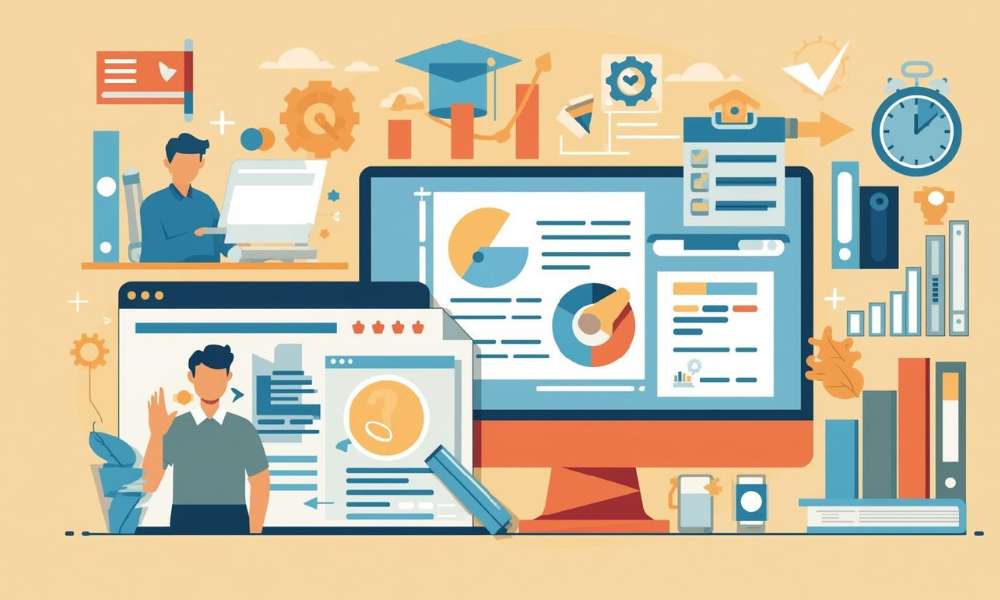
Project management courses come in many formats to cater to different learning preferences and schedules.
Online Courses
These offer flexibility and are ideal for individuals who need to balance work and study. Many online courses are self-paced, which allows for a personalized learning experience.
In-Person Courses
Traditional classroom-based learning may appeal to those who prefer face-to-face interactions and a more structured environment. These are often offered by universities and professional institutions.
Hybrid Courses
These combine online learning with in-person sessions, offering the best of both worlds.
Each format has its advantages, and choosing the right one depends on your personal learning style, time commitment, and career goals.
How to Choose the Right Project Management Course for You
Selecting the right course is a critical decision. It’s essential to consider factors like the course content, the institution’s reputation, and the type of certification it offers. Accredited courses are often more valuable, as they are recognized by employers and industry professionals.
If you’re already working in a specific field, it might be beneficial to choose a course tailored to that industry. For example, project management in construction may require different knowledge compared to project management in tech or healthcare.
Skills You Will Learn in a Project Management Course
As mentioned earlier, project management courses teach both technical and soft skills. Some of the key skills you will acquire include:
- Project Planning and Organization: Effective planning lays the groundwork for project success.
- Team Coordination: Learning how to bring together diverse teams and ensure that everyone works towards a common goal.
- Financial Management: Managing budgets, costs, and financial risks to ensure that projects stay within financial limits.
- Problem Solving and Decision Making: Analyzing problems and making decisions swiftly and effectively.
These skills prepare you for a variety of challenges and ensure you’re ready to manage projects successfully.
What Happens After Completing a Project Management Course?
After you have finished a project management training course, new job opportunities will arise. A lot of students from the course go on to lead organisations, and work in managing complex projects and teams. Some people may even decide to establish their own consulting firm, providing project management services for clients.
You can also use the skills you gain through project management courses in your personal life, as many of the tools and techniques from the course easily transfer to everyday activities such as home improvement projects, event planning, and setting personal goals.
Conclusion
A project management course is not just about learning how to manage a project; it’s about acquiring a diverse skill set that will serve you throughout your career. From leadership and problem-solving to financial management and scheduling, the tools learned in these courses provide practical knowledge that is highly valued across various industries.
With a project management certification, you will gain the expertise and confidence needed to manage successful projects, navigate complex challenges, and drive organizational success. Whether you’re looking to advance your career or explore a new professional path, a project management course is a stepping stone toward achieving your goals.



3 thoughts on “Unlock Career Success with Project Management Training”
Comments are closed.