
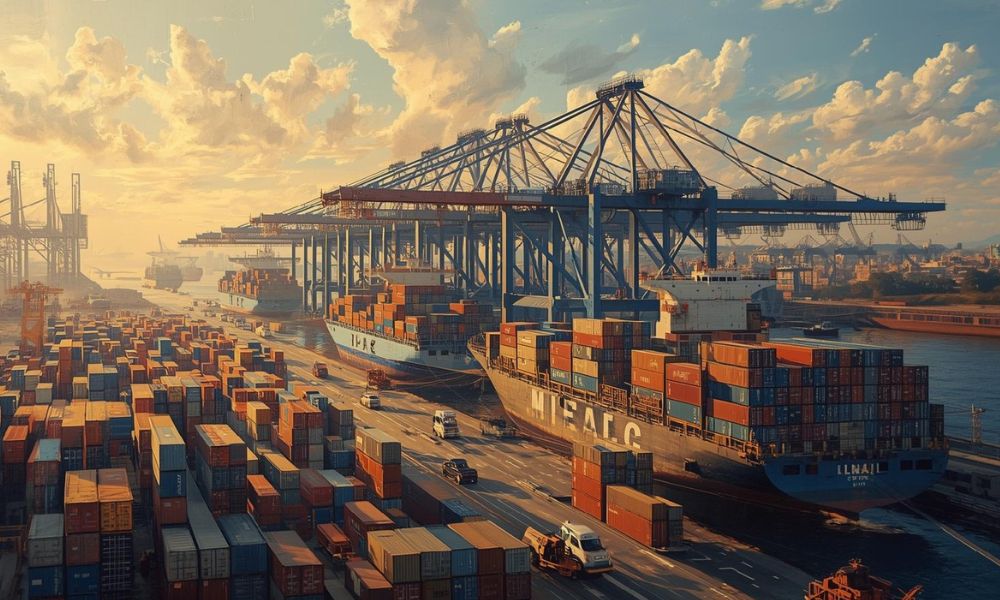
The global integration of supply chain management has created a world of opportunities and new challenges, which can only be addressed through an understanding of the strategic imperatives in order to leverage competitive advantage within global operations. As businesses grow and operate increasingly across borders somewhere along the supply chain, managing this complex yet critical part of the business is becoming harder. This article will take a look at how globalization is affecting supply chain management, addressing its major impacts and the ways that companies can ensure they continue to be successful in a globalized environment.
The Role of Globalization in Supply Chain Management
Over the last few years, globalization has reshaped the sourcing, manufacturing, and delivery of products by businesses. As businesses become increasingly linked to suppliers and customers around the world, their supply networks have grown from local to global. This connectivity has brought advantages but also brings with it challenges and businesses must find new ways, underpinned by technology, to manage their supply chains… correctly.
Key Impacts of Globalization on Supply Chains
Global Sourcing and Cost Efficiency
There’s time the issue of globalisation impact on supply chain from the viewpoint of ability to have suppliers from world. Today, companies are able to access raw materials, components and products from almost every corner of the globe — lowering production costs and raising profits. A good example is when many corporations buy cheap products made in the third world and then produce high-quality goods with them.
International sourcing also enables companies to be less dependent on few suppliers, decreasing the vulnerability of supply interruptions and increase flexibility at times of market variations or natural disasters.
Optimized Logistics and Increased Speed
Logistics have become more efficient due to globalization. International trade treaties, advances in transportation and modern logistics technology have made it easier and quicker for corporations to move goods across borders. Air Freight, Container Ships and Improved Train Networks Businesses can send goods on the fastest journey with efficient rail systems, and in turn they are better supported to meet customer needs.
With features such as reat-time tracking and predictive analytics, this efficiency is augmented, providing businesses with the tools to make better inventory management decisions, avoid unnecessary delays, and deliver a superior customer experience.
Market Expansion Opportunities
Globalization opens doors to new markets, enabling businesses to expand their customer base internationally. Whether through e-commerce or traditional retail, companies can tap into diverse markets across the globe. However, this expansion requires careful consideration of local consumer preferences, regulations, and distribution networks.
By leveraging global supply chains, businesses can adapt their offerings to meet the unique needs of different markets and scale their operations more rapidly.
Supply Chain Resilience and Risk Management
While globalization brings numerous advantages, it also introduces risks. Geopolitical instability, economic downturns, and natural disasters can disrupt supply chains and halt production. The COVID-19 pandemic highlighted these vulnerabilities, forcing businesses to rethink their supply chain strategies.
To mitigate these risks, companies must focus on building resilience by diversifying suppliers, leveraging technology for real-time data. And creating contingency plans for disruptions. A well-managed global supply chain allows businesses to quickly pivot in response to unexpected events, minimizing losses and maintaining customer satisfaction.
Enhanced Supply Chain Visibility and Transparency
Global supply chains rely on greater transparency to ensure efficiency, compliance, and ethical practices. Advanced technologies such as cloud-based systems, GPS tracking. And RFID tags allow businesses to monitor every stage of the supply chain in real-time.
This visibility is essential for effective decision-making, better demand forecasting, and optimizing inventory management. It also helps businesses ensure compliance with regulations, track sustainability efforts, and promote ethical sourcing practices. These are increasingly important to consumers and stakeholders alike.
Overcoming Challenges of Globalization in Supply Chain Management

Despite the advantages, globalization also presents several challenges that businesses must address to maintain a competitive edge:
- Cultural and Communication Barriers: Operating across multiple countries means dealing with different languages, customs, and business practices. To succeed, companies must build strong relationships with local partners and invest in cross-cultural communication skills.
- Regulatory and Compliance Issues: Each country has its own set of laws and regulations governing trade, labor, and environmental standards. Companies must ensure they comply with these regulations to avoid penalties and protect their brand reputation.
- Sustainability Concerns: As supply chains become more global, their environmental impact grows. Businesses are increasingly under pressure to adopt sustainable practices, reduce carbon footprints, and ensure the ethical sourcing of materials.
- Supply Chain Disruptions: Natural disasters, political instability, and other global events can disrupt the flow of goods. Businesses need to develop flexible supply chains that can quickly adapt to these disruptions.
Conclusion
The significance of globalization in supply chain management is undeniable. It has transformed supply chains from localized networks to global ecosystems, creating both new opportunities and challenges for businesses. To thrive in this globalized environment, companies must invest in technology, focus on building resilient and transparent supply chains. And adapt to the unique demands of international markets.
By leveraging the benefits of globalization—such as global sourcing, efficient logistics, and market expansion—while addressing the risks through proactive strategies, businesses can position themselves for long-term success in the global economy. The future of supply chain management lies in the ability to remain agile, innovate continuously, and build strong, sustainable global supply networks.