

Why Emotional Intelligence Matters in Executive Leadership
In today’s complex, high-stakes business environment, technical expertise and strategic thinking are essential—but they are no longer sufficient. Emotional Intelligence is increasingly recognized as a defining capability of effective executive leadership, influencing decision-making quality, team performance, organizational culture, and long-term resilience. Leaders who can accurately read situations, regulate reactions, and communicate with clarity are better positioned to navigate uncertainty and inspire sustainable results.
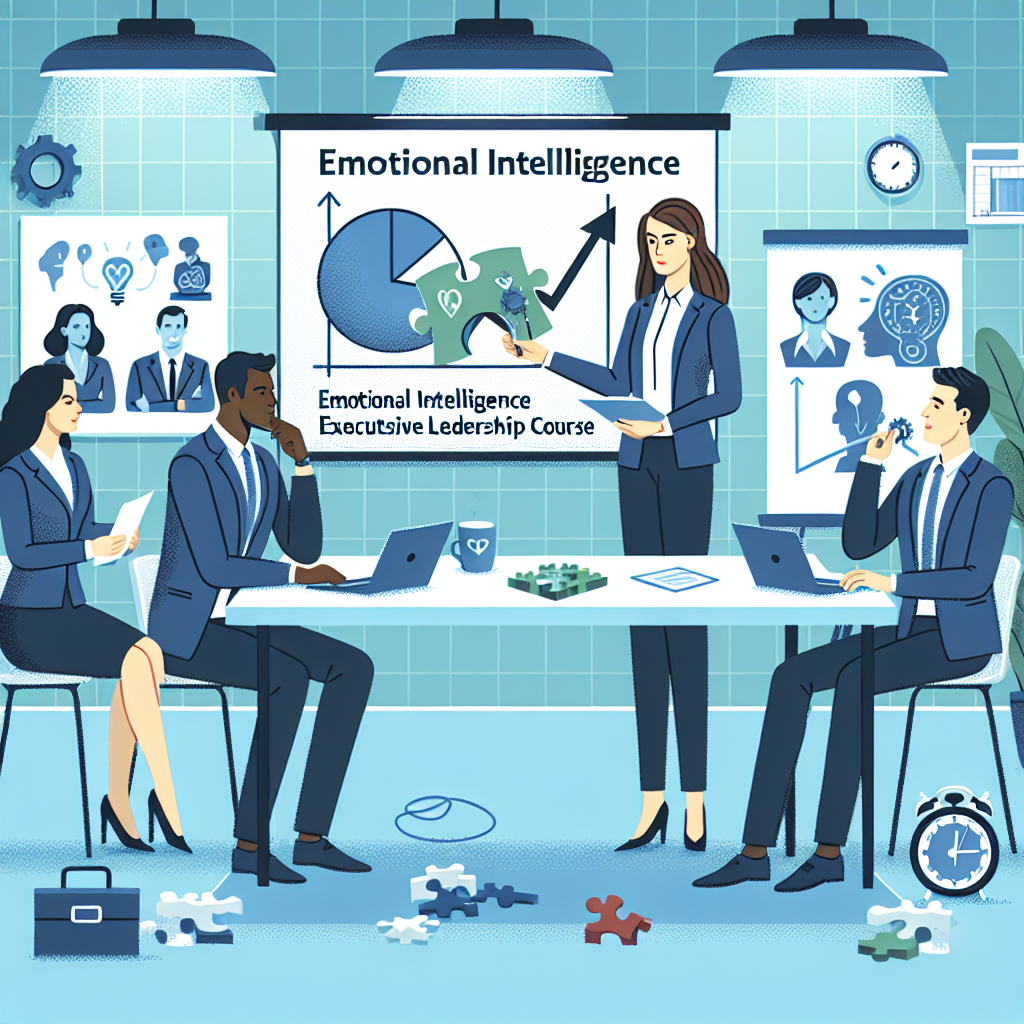
An Emotional Intelligence Executive Leadership Course is designed to strengthen these competencies in a structured, measurable way. By developing self-awareness, self-management, social awareness, and relationship management, executives can lead with greater composure, credibility, and influence across diverse stakeholder groups.
What You Will Gain from an Emotional Intelligence Executive Leadership Course
A high-impact Executive Leadership Course focused on Emotional Intelligence delivers practical tools that translate into real workplace outcomes. Participants typically enhance their ability to:
- Recognize personal leadership patterns and emotional triggers that affect performance.
- Communicate with greater precision, empathy, and executive presence.
- Strengthen trust and psychological safety to improve collaboration and accountability.
- Handle conflict, feedback, and difficult conversations with professionalism and control.
- Lead through ambiguity and change while maintaining organizational stability.
Beyond personal effectiveness, Emotional Intelligence supports enterprise-wide leadership outcomes—improving retention, reducing misalignment across teams, and fostering a culture where performance and wellbeing reinforce one another.

Core Pillars of Emotional Intelligence for Executive Leaders
While models vary, most Emotional Intelligence frameworks converge on four interrelated pillars. A well-designed Executive Leadership Course will address each area with both theory and applied practice.
1) Self-Awareness
Self-awareness is the foundation of executive effectiveness. Leaders learn to identify how emotions influence judgment, communication style, and leadership behaviors. This includes understanding strengths, blind spots, values, and how one’s presence impacts others—especially under pressure.
2) Self-Management
Executives often operate in environments where stress and competing priorities are constant. Self-management focuses on emotional regulation, impulse control, adaptability, and maintaining performance in challenging situations. Leaders learn to respond rather than react, preserving trust and credibility.
3) Social Awareness
Social awareness includes empathy, organizational awareness, and the ability to read group dynamics. Executives strengthen their capacity to interpret both spoken and unspoken signals, enabling better alignment, negotiation, and stakeholder management.
4) Relationship Management
This pillar transforms Emotional Intelligence into leadership impact. It includes influencing without coercion, inspiring commitment, managing conflict constructively, and building resilient teams. Relationship management is essential for cross-functional leadership and sustainable execution.
Who Should Enroll and When It Becomes Essential
An Emotional Intelligence Executive Leadership Course is particularly valuable for leaders who are:
- Leading large teams, departments, or enterprise-wide initiatives.
- Transitioning into executive roles with broader stakeholder demands.
- Responsible for culture, transformation, or change management programs.
- Operating in high-conflict, high-visibility, or high-pressure environments.
- Seeking to elevate leadership influence, executive presence, and communication effectiveness.
It is also a strong fit for high-potential leaders preparing for expanded responsibilities, where Emotional Intelligence becomes a differentiator in readiness and long-term success.

Typical Course Structure and Learning Experience
A well-structured Executive Leadership Course blends reflection, practical application, and measurable development. While formats differ, many programs include:
- Pre-course assessment: Emotional Intelligence questionnaires, 360-degree feedback, and leadership style diagnostics.
- Instructor-led modules: Frameworks and executive scenarios focused on leadership behaviors.
- Skill practice: Role plays, coaching conversations, and conflict simulations.
- Real-work application: Action plans aligned to participants’ strategic responsibilities.
- Coaching and feedback: Individual or group coaching to reinforce behavioral change.
- Post-course reinforcement: Follow-up sessions, peer accountability, and progress tracking.
This structure ensures Emotional Intelligence development becomes an integrated leadership capability rather than a one-time learning event.
High-Impact Skills Developed During the Course
Emotional Intelligence training for executives is most effective when it targets behavior changes that are visible and repeatable. Common high-impact skill areas include:
- Executive communication: Speaking with clarity, managing tone, and adapting messaging to diverse audiences.
- Feedback mastery: Delivering direct feedback with respect and receiving feedback without defensiveness.
- Conflict leadership: De-escalating tension, identifying underlying interests, and driving resolution.
- Decision-making under pressure: Reducing bias, improving judgment, and managing emotional noise.
- Motivation and engagement: Building commitment through recognition, meaning, and accountability.
- Change leadership: Communicating change with empathy while maintaining strategic discipline.
How to Choose the Right Emotional Intelligence Executive Leadership Course
To ensure meaningful return on time and investment, select a course that aligns with executive realities and measurable leadership outcomes. Consider the following criteria:
- Evidence-based framework: The course should use validated Emotional Intelligence models and credible assessment tools.
- Executive-level facilitation: Instructors should have leadership development expertise and familiarity with senior leadership challenges.
- Practical application: Look for programs that connect Emotional Intelligence concepts to real business scenarios.
- Coaching and reinforcement: Sustainable behavior change typically requires structured feedback and follow-up.
- Measurement: Progress should be tracked through assessments, observable behaviors, and leadership outcomes.
High-quality programs also ensure confidentiality, create psychologically safe learning environments, and allow executives to practice challenging conversations without reputational risk.
[INLINE_IMAGE]
Measuring Results: From Personal Growth to Organizational Impact
Emotional Intelligence development is measurable when paired with clear goals and structured feedback. A robust Executive Leadership Course will help participants define success metrics such as:
- Improved 360-degree feedback results on communication, collaboration, and leadership presence.
- Higher team engagement scores and reduced turnover risk.
- Faster conflict resolution and better cross-functional alignment.
- More consistent performance under pressure and during change.
- Stronger leadership bench strength and succession readiness.
Ultimately, Emotional Intelligence enables leaders to build trust at scale—one of the most powerful drivers of execution, innovation, and sustainable performance.