
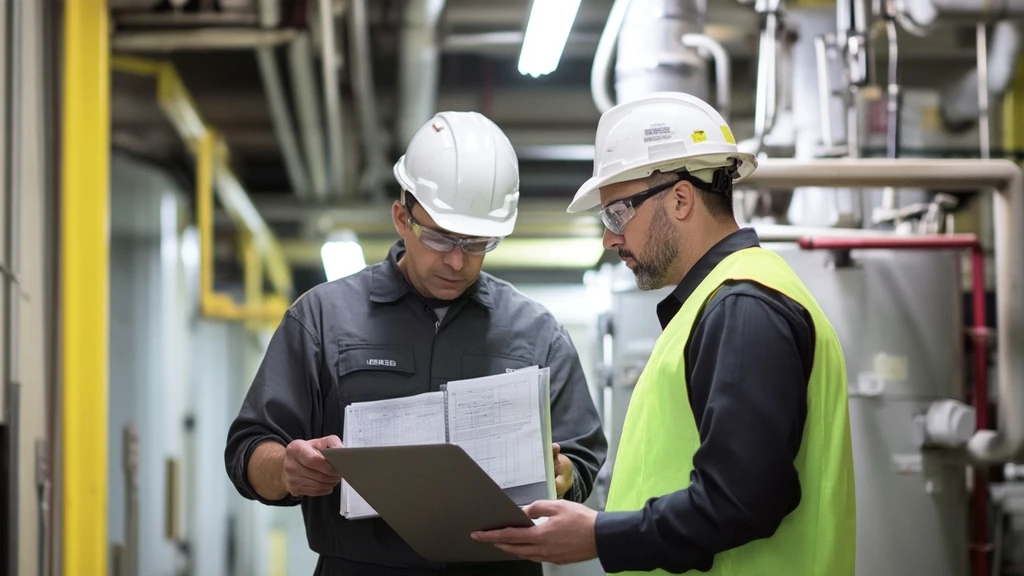
AI-generated illustration created to represent the article’s subject. It does not depict an actual EPW course, trainer, participant, client, event or venue.
Power plants are the driving force behind the energy that lights up industries, homes, and businesses around the globe. Yet, the complex machinery and systems required to operate these plants demand a multitude of highly skilled professionals. Training for operations at a power plant is the solution for anyone to be ready in these crucial tasks.
In this article, you will learn more about seriously the power plant operations training consists of, its importance in the energy sector and how can it be your stepping stone for a successful career.
What is Power Plant Operations Training?
Power plant operations training provides individuals with the knowledge and skills necessary to operate and maintain the machinery in a power plant. It includes information about electrical systems, mechanical systems, power generation methods and safety protocols.
The training process involves both theoretical studies and practical training, enabling you to leverage your knowledge in practical situations. Whether you want to become a power plant operator, technician or engineer, this training sets the groundwork for a successful energy career.
Why is Power Plant Operations Training so Important?
The energy field is growing and as that continues to expand, so too does the need for experienced individuals who are capable of handling the intricate systems power plants depend on. On the other hand, people lacking any preparation for power plant operations likely would not get on with industry tech innovations and practices.
This training gives people the knowledge they need to address the operational challenges of individuals power plants, including maintaining equipment, troubleshooting problems and forestalling accidents. To avoid downtime, boost productivity and maintain safety,(a well-trained operator is essential.
Key Skills You’ll Gain from Power Plant Operations Training
Completing a power plant operations training program equips you with valuable skills, such as:
- Technical Proficiency: You’ll learn to operate machinery like turbines, boilers, and generators efficiently.
- Problem-Solving Abilities: You’ll be able to diagnose and repair issues quickly to avoid plant shutdowns.
- Safety Knowledge: You’ll understand the safety regulations and procedures critical to maintaining a secure work environment.
- Environmental Awareness: Training includes techniques for ensuring that power plants meet environmental standards and reduce their ecological impact.
- Teamwork: You’ll develop collaborative skills necessary to work alongside other professionals in a fast-paced environment.
These skills are highly sought after in the energy sector and can significantly improve your job prospects.
Responsibilities of a Power Plant Operator

A power plant operator plays a key role in ensuring the plant runs smoothly. Their daily tasks include:
Monitoring Plant Equipment
Power plant operators are responsible for monitoring critical systems such as turbines, generators, and electrical components, ensuring they operate within safe parameters.
Performing Maintenance
Operators regularly check and maintain machinery to prevent unexpected breakdowns, ensuring efficient plant performance.
Troubleshooting
When equipment malfunctions or operational anomalies occur, operators must identify and resolve the issues quickly to avoid downtime and maintain plant safety.
Data Logging
Detailed records of plant operations are kept to track performance, aiding in troubleshooting and ensuring efficient operations.
Responding to Emergencies
Operators must take immediate action when safety hazards or operational issues arise, ensuring minimal impact on plant safety and performance.
This role requires a blend of technical expertise, quick decision-making, and the ability to remain calm under pressure.
How Power Plant Operations Training Prepares You for Real-World Challenges
Working in a power plant comes with its own set of challenges—unexpected machinery failures, safety incidents, or environmental concerns. Power plant operations training prepares individuals to handle these scenarios with confidence.
Training often includes simulated real-world situations, such as dealing with an equipment malfunction or responding to an emergency, allowing individuals to practice their decision-making and problem-solving skills before facing them in the workplace. This practical experience ensures that operators can handle high-pressure situations and maintain efficient operations.
Choosing the Right Power Plant Operations Training Program
When selecting a power plant operations training program, it’s important to consider factors that will influence the quality of your learning experience:
- Accreditation: Ensure that the program is accredited by relevant industry bodies, ensuring that it meets high standards of education.
- Curriculum: Look for programs that cover the essential aspects of plant operations, including safety, equipment handling, and troubleshooting.
- Location: Choose a program that’s conveniently located or offers online courses for flexibility.
- Cost: Consider tuition fees and the availability of financial assistance to determine if the program fits your budget.
A well-rounded program ensures that you receive the necessary education and hands-on experience to succeed in the power plant industry.
Power Plant Equipment You’ll Learn to Operate
A significant aspect of power plant operations training is learning to operate the equipment that keeps the plant running efficiently. You will gain hands-on experience with:
- Boilers: Used to generate steam that powers turbines.
- Turbines: Converts steam or gas into mechanical energy to generate electricity.
- Generators: Convert mechanical energy into electrical power.
- Cooling Systems: Essential for maintaining equipment temperature and preventing overheating.
- Control Systems: Digital systems used to monitor and control plant operations in real time.
By becoming proficient with these essential tools, you’ll ensure smooth and safe plant operations.
Career Opportunities After Power Plant Operations Training
Upon completing your power plant operations training, you open the door to various career opportunities in the energy sector. Some of the roles you may pursue include:
- Power Plant Operator: Responsible for the day-to-day operations of power plants.
- Maintenance Technician: Ensures that plant machinery runs smoothly by performing routine checks and repairs.
- Control Room Operator: Monitors plant systems remotely and makes adjustments as necessary.
- Plant Engineer: Focuses on improving plant systems and increasing operational efficiency.
- Plant Manager: Oversees plant operations and staff, ensuring everything runs according to plan.
The energy industry offers various career paths for trained professionals, each providing opportunities for advancement and job stability.
The Importance of Safety and Compliance in Power Plant Operations
Safety is a critical concern in power plant operations. The potential risks associated with high-voltage equipment, hazardous materials, and complex systems necessitate strict safety protocols. Power plant operations training ensures that individuals understand and implement safety measures to protect themselves, their colleagues, and the plant’s equipment.
Furthermore, compliance with environmental regulations is essential. Operators must adhere to laws that regulate emissions, waste disposal, and water usage, ensuring that the plant operates in an eco-friendly manner. By understanding both safety and environmental standards, operators help maintain a responsible and sustainable power generation process.
Conclusion
Power plant operations training offers individuals the skills and experience they need to thrive in a vital and growing industry. Whether you’re just starting your career or looking to enhance your qualifications, this training provides a strong foundation for success.
The energy sector offers stability, competitive salaries, and opportunities for growth, making it an attractive field for those who are committed to ensuring the continuous production of power. By investing in power plant operations training, you’re positioning yourself for a rewarding career in one of the most critical industries of our time.