

AI-generated illustration created to represent the article’s subject. It does not depict an actual EPW course, trainer, participant, client, event or venue.
Traditional Human Resource practices are being rapidly challenged by technology in the modern day business environment. Digital HR courses play a key role in this shift, providing HR professionals with the necessary skills and knowledge to manage people effectively in a digital age. Whether you’re hoping to move upward in your HR career or switch to a new one, these courses will give you the essential knowledge of how technology is shaping the future of human resources.
What Are Digital HR Courses?
Digital HR courses focus on teaching professionals the skills to manage human resources through digital tools and technologies. These courses encompass a vast range of topics, including HR software systems and data analytics to recruitment platforms and performance management tools. Digital HR courses aim to drive organizational efficiency by adopting advanced technologies in human resources processes that can boost employee engagement and enable evidence-based decisions. Wisely chosen, these courses offer the groundwork for business in this tech-driven world of HR.
Why Are Digital HR Courses Important?
The rise of digital tools has fundamentally changed how HR departments operate. Digital HR courses give professionals the expertise they need to leverage these tools for maximum impact. Here’s why these courses are critical:
- Stay Current: Technology is constantly evolving. HR professionals need to keep up with the latest trends and tools to remain competitive in the job market.
- Enhance Efficiency: Digital HR tools can automate tedious tasks, freeing up HR professionals to focus on more strategic, value-added work.
- Career Growth: With businesses embracing digital transformation, there is a growing demand for HR professionals who are skilled in using digital tools. Completing a digital HR course can lead to more career opportunities and higher job security.
Key Skills Learned in Digital HR Courses
Digital HR courses offer training in a variety of essential skills, making them an invaluable resource for HR professionals looking to improve their capabilities. Some of the most important skills gained include:
Recruitment and Talent Acquisition
Learn to use AI-powered recruitment tools and platforms to find, engage, and retain top talent efficiently.
Employee Engagement
Understand how to implement digital tools that enhance employee experience, engagement, and satisfaction.
HR Analytics
Gain proficiency in using data analytics to make informed HR decisions, track performance, and improve productivity.
Digital Performance Management
Master the use of digital systems to provide continuous feedback, set goals, and track employee progress.
HR Compliance and Legal Considerations
Learn about the legal and ethical issues surrounding digital HR tools, including data privacy regulations and compliance with employment laws.
The Growing Demand for Digital HR Professionals
As organizations increasingly rely on digital tools to manage their workforce, the demand for professionals with digital HR skills is rapidly growing. Companies are looking for HR professionals who not only understand traditional HR functions but are also proficient in using technology to improve efficiency and drive results. Digital HR courses provide the knowledge necessary to meet this demand and position yourself as a forward-thinking HR professional.
How Digital HR Courses Benefit Employers
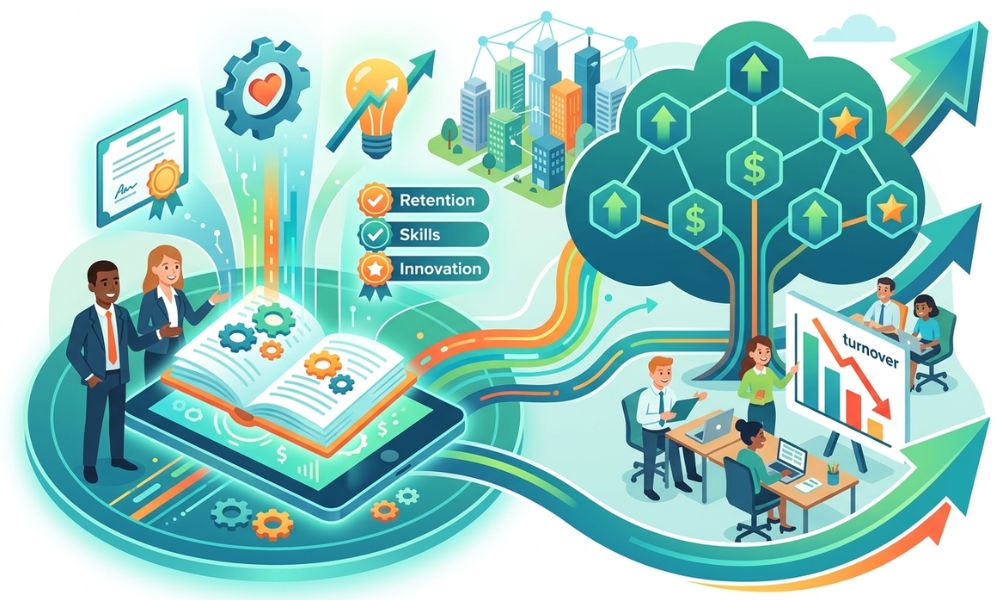
Employers also gain significant advantages by investing in digital HR training for their teams. Training HR staff in digital tools can streamline operations, reduce costs, and improve the employee experience. Here are some ways employers benefit:
Increased Efficiency
Digital HR tools automate tasks such as payroll, employee onboarding, and benefits administration, allowing HR departments to focus on strategic initiatives.
Better Talent Management
By using data-driven HR solutions, employers can track performance, predict employee turnover, and make informed decisions about promotions and development.
Improved Employee Satisfaction
Digital HR tools can enhance communication, streamline feedback processes, and help HR professionals address employee concerns more effectively, leading to higher job satisfaction and retention.
Popular Digital HR Course Topics
Digital HR courses cover a wide range of topics relevant to modern HR professionals. Some of the most popular areas of study include:
- Human Resource Information Systems (HRIS): Learn how to manage and analyze employee data using HRIS software.
- Digital Recruiting Tools: Master the use of online job boards, AI-based candidate screening, and automated interview scheduling.
- Data Analytics in HR: Develop skills in using HR metrics and KPIs to make data-driven decisions.
- Employee Experience Platforms: Explore how digital platforms improve employee engagement, from surveys and feedback tools to wellness apps.
- Performance Management Software: Gain knowledge in using digital platforms for goal setting, continuous feedback, and performance evaluations.
Choosing the Right Digital HR Course
When selecting a digital HR course, it’s important to choose one that aligns with your career goals and expertise level. Here are some factors to consider:
- Course Content: Ensure the course covers the latest tools and technologies relevant to your role.
- Format: Decide if you prefer self-paced learning or instructor-led courses.
- Accreditation: Look for courses that offer certifications from recognized HR organizations to add credibility to your credentials.
- Reviews and Recommendations: Check course reviews and recommendations from previous students to get a better understanding of the course quality.
Benefits for Employers Offering Digital HR Courses to Their Teams
Providing employees with access to digital HR courses has numerous advantages for employers:
- Talent Retention: Offering HR professionals the opportunity to enhance their skills through digital HR courses can help retain top talent within the organization.
- Cost-Effective: Investing in training programs can save money in the long run by reducing turnover and improving operational efficiency.
- Future-Proofing the Organization: As technology continues to shape the HR industry, employers who invest in digital HR training ensure their teams are equipped for future challenges.
The Future of Digital HR: What to Expect
The landscape of HR is changing rapidly, and digital HR courses are evolving to keep pace with emerging trends. Here are some key trends to watch:
- AI and Automation: As AI continues to advance, HR departments will increasingly rely on automation for recruitment, performance management, and other tasks.
- Blockchain: Blockchain technology could revolutionize areas such as employee data management, payroll, and benefits administration.
- Virtual Reality (VR) in HR: Expect to see the rise of VR technology in recruitment, training, and employee engagement in the near future.
Conclusion
Digital HR courses are a valuable investment for professionals seeking to stay ahead of the curve in the evolving HR landscape. These courses provide essential skills in data-driven HR practices, recruitment, employee engagement, and much more. As technology continues to shape the future of HR, professionals who embrace these courses will be well-equipped to drive innovation and success in their organizations. Whether you’re an HR veteran or just starting your career, digital HR courses offer the knowledge and expertise needed to thrive in a technology-driven world.