

The future has arrived and artificial intelligence (AI) is transforming businesses in various sectors such as healthcare, finance and innovation throughout the world. As the need for AI experts continues to swell, it’s no surprise so many are eager to jump into this dynamic career field.
But with so many places to learn, it’s crucial to know which courses will provide you with the solid foundation to succeed. In this guide, we will discuss the best courses to learn Artificial Intelligence and guide you through your journey of becoming a proficient AI specialist.
What is Artificial Intelligence?
At its purest, AI is mimicked human intelligence by machines. AI is built to complete tasks which typically require human intelligence such as problem-solving, decision making and learning from experience. The uses for AI are wide-ranging, from fields as diverse as machine learning, natural language processing, robotics and more.
Everyone who wants to develop a career in this category needs to have knowledge about the fundamental principles of AI algorithms, neural networks and data analysis. AI is a rapidly changing field, so it’s important to keep up to date with the latest technologies and methodologies for success.
Building a Strong Foundation in AI
Before jumping into specialized AI topics, it’s important to lay a solid foundation. Key areas to focus on include:
- Mathematics: Concepts like linear algebra, statistics, and probability are the backbone of many AI algorithms.
- Programming Languages: Python is the most widely used programming language in AI development, but knowledge of languages like R, Java, and C++ can also be beneficial.
- Data Science: Understanding how to work with data, clean it, and use it effectively is crucial for building AI systems.
By mastering these foundational elements, you’ll be well-equipped to tackle more advanced AI topics as you progress.
What Classes Do You Take for Artificial Intelligence
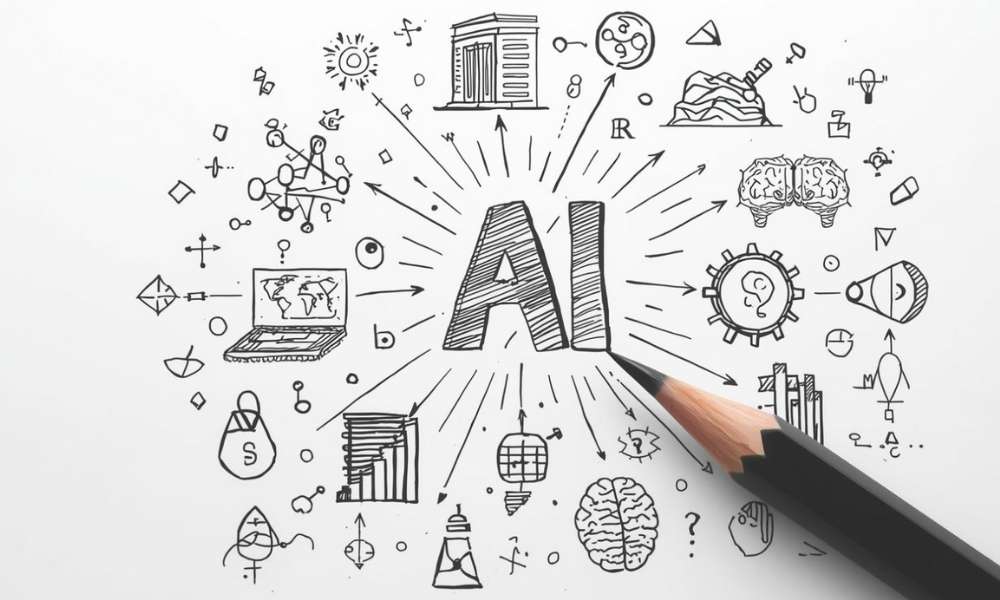
After you’ve mastered the basics, you can then continue on to more specific AI classes. And there are a number of important areas to explore:
Introductory AI Courses
These courses provide an introduction to AI topics, such as machine learning, data analysis and AI in society. These are ideal for beginners, the first step to obtaining a general knowledge of something before moving on to specific areas.
Machine Learning Fundamentals
ML is a key subfield of AI. These courses will cover different ML algorithms including supervised and unsupervised learning, regression, and classification. ML is a fundamental concept for anyone looking to work in AI, because it’s present in most AI systems.
Deep Learning Specialization
Deep learning, a type of machine learning, conditions algorithms to learn and make decisions from large amounts of unstructured data using multiple layers of neural networks. It fuels many of today’s cutting-edge AI applications including image recognition, speech processing and self-driving cars. You’ll get practical experience by applying these technologies in nuanced specializations such as deep learning.
Natural Language Processing (NLP)
NLP allows computers to understand and produce human language. It’s a rapidly expanding subfield of AI, particularly with the advent of chatbots, voice assistants and language translation tools. NLP courses teach you how to work with text, analyze sentiment and build language models.
AI in Robotics and Automation
Advanced computation is changing robotics, allowing robots to learn in the field and execute on their own. If you’re interested in the intersection of AI and robotics, see if there are classes that discuss how AI can be employed to improve robot navigation, recognize objects and make decisions.
AI Ethics and Responsible Development
As AI becomes more integrated into society, ethical considerations are becoming increasingly important. AI systems must be designed to avoid bias, respect privacy, and ensure fairness. AI ethics courses delve into these issues, exploring topics such as algorithmic bias, transparency, and responsible AI practices. These courses are particularly important for professionals who want to ensure that AI is used for the greater good and not to perpetuate societal inequalities.
Choosing the Right AI Course for Your Career Goals
The best AI courses for you will depend on your career aspirations. Here are some factors to consider when selecting a course:
- Career Path: If you aim to work in healthcare, look for AI courses that focus on applications in medical data analysis. For a role in business or marketing, you might want to focus on AI-driven customer analytics.
- Learning Style: Consider whether you prefer self-paced online courses or a more structured, in-person university program.
- Certification: Many online platforms offer certifications upon completion of their courses. Earning a certification can help enhance your resume and demonstrate your expertise to potential employers.
Online vs. University AI Programs
When deciding between online courses and traditional university programs, both options have their merits. Online courses are generally more affordable and flexible, allowing you to learn at your own pace. They are a great option for those who are new to AI and want to explore the field before committing to a full degree program.
On the other hand, university programs provide a more in-depth and structured learning experience, often offering opportunities for hands-on projects and internships. A degree in AI or computer science can open doors to high-level positions in the field, but it requires a more significant investment of time and money.
AI Certifications
AI certifications are a great way to demonstrate your expertise and commitment to the field. Many companies, such as Google, Microsoft, and IBM, offer certifications in AI and machine learning that can enhance your qualifications. These certifications typically involve passing an exam that tests your knowledge of core AI concepts and practical applications. Earning a certification can help you stand out in the job market and give you a competitive edge.
Gaining Practical Experience in AI
While theoretical knowledge is important, hands-on experience is essential for mastering AI. Many AI courses include practical projects that allow you to apply what you’ve learned to real-world problems. Whether it’s building a machine learning model or developing a chatbot, working on projects helps solidify your skills and prepares you for real-world challenges.
You can also gain practical experience by participating in AI-related hackathons or contributing to open-source AI projects. These experiences not only help you build your skills but also provide opportunities to network with other AI professionals.
Conclusion
Artificial Intelligence offers tremendous opportunities for those willing to learn and adapt. By selecting the right courses and building a solid foundation in key areas like machine learning, deep learning, and NLP, you can position yourself for success in this exciting field. Whether you choose online courses, university programs, or certifications, the most important step is to start learning. AI is here to stay, and now is the perfect time to kickstart your career in this rapidly evolving domain.