
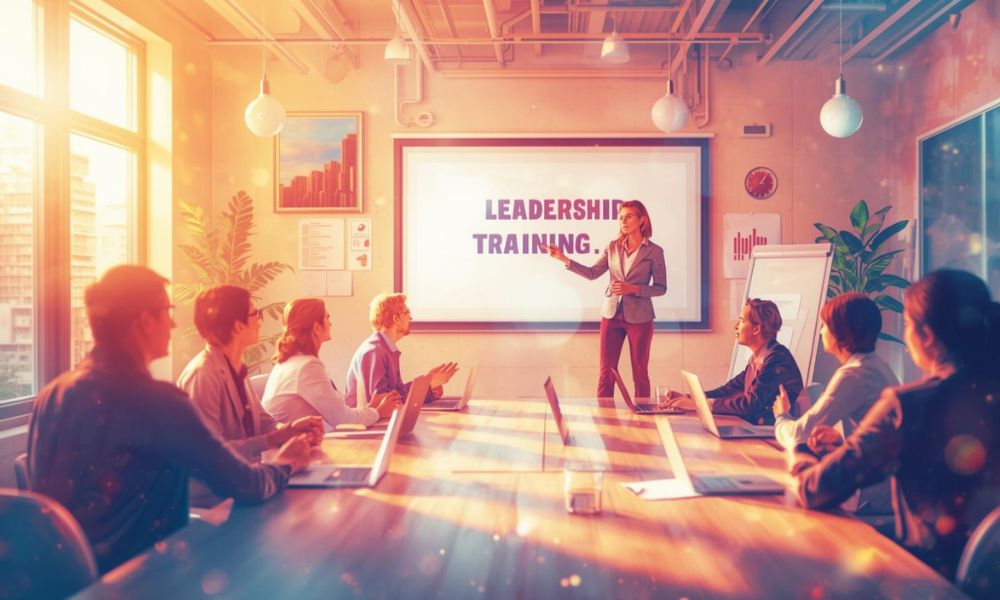
In a volatile business environment, including the cutthroat competition over talent known as the “war for leaders,” the capacity of leaders to learn and develop is undoubtedly more essential than ever. Leadership is a living skill that changes with time, problems, new technologies and business environments. This means that leadership training entirely becomes a process and not an event. Leadership development is constantly evolving, so that leaders are not only effective and knowledgeable, but also “before their time.
Innovation amid uncertainty Organizations today need leaders who can lead in times of uncertainty, inspire innovation and make good decisions. Leaders need to grow their organizations, but they also need to foster an environment of growth and resilience in the teams that report to them.
In this post, we’ll see how continuous improvement methods can be applied to leadership training, and the need for doing so We’ll also look at actionable tips that organizations can follow to update their current Leadership Programs.
Why Continuous Improvement in Leadership Training Matters
“One-time training is not just enough,” Leadership training programs shouldn’t be one-and-done. And as industries change, the leaders who steer organizations must also evolve. Continuous improvement techniques, which provide for continuously evolving leadership development programs in order to meet the needs of today and tomorrow. Here’s why that steady improvement is important:
Evolving Skills for Changing Environments
The world is getting more complicated with new forms of technology, the dynamics of globalization, and continuous shifts in market conditions. With shifts like these, the leaders who can help influence and adapt to these changes to keep their team on track will be critical for an organization’s success. Ongoing enhancement is necessary to keep leadership programs current and adaptable to these trends.
Fostering a Growth-Oriented Culture
And when leaders are learners, everyone else’s energy and commitment have a way of following. It incentivizes staff at all levels to achieve growth, listen to feedback and look for ways in which they can develop further. Such a culture encourages innovation, motivation and higher level of performance throughout the organization.
Aligning Leadership with Business Objectives
Leadership development should be in service of, and aligned with, an organization’s strategic objectives – always. Through ongoing enhancements to leadership development programs, companies can ensure their leaders have the competencies required to meet current and future organizational goals.
Retaining and Engaging Talent
Continual investment in leadership growth leads to more satisfied and motivated employees. Workers are more likely to remain with a company that invests in their development and provides them opportunities for advancement. Additionally, their leaders that are constantly mastering new skills are more successful at retaining and motivating their teams.
Strategies for Continuous Improvement in Leadership Training

To implement continuous improvement in leadership training, organizations must be proactive and adopt specific strategies that ensure leadership development remains a top priority. Below are some key strategies that can be applied to create a culture of continuous leadership improvement.
Implementing Regular Assessments and Feedback Loops
Continuous improvement starts with a strong foundation of assessment. Leaders must regularly assess their skills and receive feedback on their performance. This allows them to identify their strengths and areas for growth, ensuring that they are always working toward self-improvement.
How to Implement Feedback Loops:
- 360-Degree Feedback: Use 360-degree feedback to gather insights from colleagues, direct reports, and managers. This provides a comprehensive view of a leader’s strengths and areas for improvement.
- Self-Assessment Tools: Encourage leaders to assess their own skills using structured tools, such as self-reflection questionnaires or personal performance reviews.
- Regular One-on-One Feedback: Hold scheduled feedback sessions where leaders can reflect on their progress, set new goals, and receive advice on how to improve.
By regularly collecting feedback and conducting assessments, leaders can understand where they need to grow and what steps they need to take to improve their performance.
Personalized Learning Paths
One of the key components of continuous improvement in leadership training is personalization. Leaders have different learning styles, strengths, and development needs. Offering a one-size-fits-all approach to leadership training may not be as effective as tailoring the program to suit individual needs. By creating personalized learning paths, organizations can ensure that leaders receive the training that best fits their development goals.
Steps to Personalize Leadership Development:
- Development Plans: Create individualized development plans (IDPs) based on assessments and feedback. These plans should outline specific skills or competencies that need improvement, along with clear goals and action steps.
- Adaptive Learning Technologies: Use adaptive learning platforms that adjust the content and pace of training based on a leader’s progress. This allows leaders to focus on areas where they need the most improvement, rather than following a set curriculum.
- Mentorship Programs: Pairing leaders with mentors who can offer guidance based on their specific challenges and aspirations can significantly enhance the learning process.
Personalized learning paths ensure that each leader is getting the specific training they need to improve and grow in their role, increasing the likelihood of long-term success.
Encouraging Mentorship and Peer Learning
Mentorship is one of the most powerful tools for continuous leadership development. Having a mentor allows emerging leaders to receive guidance, feedback, and insight from someone with more experience. Peer learning also provides valuable opportunities for leaders to collaborate, share knowledge, and solve problems together.
How to Foster Mentorship and Peer Learning:
- Formal Mentorship Programs: Establish structured mentorship programs where senior leaders can guide and support less experienced ones. This ensures that knowledge is transferred and that emerging leaders have a support system to help them grow.
- Peer Learning Groups: Create peer learning groups where leaders can regularly meet to discuss challenges, share experiences, and learn from one another. This encourages collaborative learning and the exchange of ideas.
- Leadership Networks: Build leadership networks where leaders at different levels within the organization can connect, share insights, and seek advice from each other.
Mentorship and peer learning not only facilitate knowledge sharing but also help leaders build relationships that can support their development in the long term.
Leveraging Technology and New Trends
The business world is increasingly driven by technology, and leadership training programs need to reflect this shift. Digital tools, online courses, and data-driven leadership insights can help leaders stay informed about industry trends and enhance their ability to lead in the modern workplace.
Incorporating Technology in Leadership Training:
- E-Learning Platforms: Invest in e-learning platforms that offer flexible training options, allowing leaders to learn at their own pace and from anywhere.
- Leadership Simulations: Use virtual leadership simulations that challenge leaders to make decisions and solve problems in realistic, simulated environments. These interactive experiences can help leaders build critical thinking and decision-making skills.
- Data-Driven Insights: Use analytics tools to track leadership performance and identify patterns that can guide further development. This data can provide valuable insights into how leadership behaviors impact team performance and organizational outcomes.
By leveraging technology, organizations can offer more engaging, effective, and accessible leadership development programs.
Promoting a Growth Mindset Culture
A growth mindset is the belief that abilities and intelligence can be developed through effort and learning. Leaders with a growth mindset are more resilient, adaptable, and open to feedback, all of which are key traits for continuous improvement.
How to Cultivate a Growth Mindset:
- Encourage Lifelong Learning: Emphasize the importance of continuous learning in all aspects of leadership training. Leaders should be encouraged to seek opportunities for growth both within and outside the organization.
- Normalize Failure as a Learning Tool: Create a culture where failure is seen as a learning opportunity, not a setback. This allows leaders to take risks and experiment without fear of making mistakes.
- Celebrate Progress: Recognize and celebrate the progress leaders make in their development, no matter how small. This reinforces the value of continuous improvement.
A growth mindset helps leaders embrace change and challenges, which are essential for personal and professional development.
Tracking and Measuring Progress
To ensure that continuous improvement is taking place, it is vital to track progress and measure the effectiveness of leadership training programs. This provides valuable insights into what’s working and what needs to be adjusted.
Metrics to Track Leadership Development:
- Leadership KPIs: Establish clear Key Performance Indicators (KPIs) to measure the impact of leadership training on business outcomes, such as team performance, employee engagement, and productivity.
- Training Feedback Surveys: Regularly collect feedback from participants to assess the effectiveness of the training programs. This feedback can help refine the program to better meet the needs of the leaders.
- Performance Metrics: Track individual leader performance over time to determine whether there is noticeable improvement in their leadership abilities.
By measuring progress, organizations can ensure that their leadership training programs are driving the desired outcomes and make necessary adjustments to keep leaders on the path to continuous improvement.
Conclusion
Implementing continuous improvement strategies in leadership training is an investment in the long-term success of both individual leaders and the organization as a whole. By regularly assessing skills, offering personalized learning opportunities, encouraging mentorship, embracing new technologies, and fostering a growth mindset, organizations can develop resilient, adaptable leaders who are equipped to drive change and lead with confidence.
Incorporating these strategies will not only ensure that leadership programs remain relevant but also contribute to a culture of growth, innovation, and excellence within the organization. Remember, leadership development is a continuous journey, and the more organizations invest in their leaders, the greater the return in terms of employee satisfaction, productivity, and overall organizational success.