
Emotional intelligence (EI) plays a critical role in how we navigate our personal and professional lives. It influences our ability to understand and manage our own emotions while empathizing with others. As emotional intelligence becomes increasingly recognized as a key component of success, many people are turning to emotional intelligence courses to improve their skills.
But what exactly is an emotional intelligence course, and how can it benefit you? In this article, we’ll dive into the importance of emotional intelligence, explore what an emotional intelligence course entails, and highlight its numerous advantages.
What is an Emotional Intelligence Training?
An emotional intelligence class teaches one to identify and deal with one’s own emotions. Through these programs, students are trained on the four foundational elements of EI: self-awareness, self-regulation, empathy and social skills. Emotional intelligence courses offer individuals a mixture of theoretical learning and also practical exercises, which help them develop their emotional comprehension and relationships with others.
Emotional Intelligence Course Structure and Content
Self-Awareness
Self-Awareness One of the pillars of emotional intelligence is mindfulness. An emotional intelligence class will help you be more aware of your own emotions and their effect on how you think and act. This insight helps you become more conscious of your choices, and steer clear of knee-jerk emotional reactions that can escalate into conflict.
Self-Regulation
After you understand what your emotions are telling you, the next step is to learn how to regulate them. Emotional intelligence sessions teach you some tools that can be used to manage emotional reactions, particularly when under pressure. And when you develop this and you become good at it, we can turn on a dime and be calm cool collected no matter what happens outside us.
Empathy
Empathy is to be able to understand and share the feelings of another. Emotional intelligence training programs work on developing this skill, necessary for meaningful and trusting relationships. People who can recognise other people’s feelings get along with others better than those without this gift, because they ultimately perform better in social interactions and deal more competently with conflicts.
Social Skills
Whether personal or professional, effective communication and cooperation are crucial to success. EI classes assist individuals in building effective interpersonal skills while learning techniques to actively listen, resolve conflicts, and interact with others optimistically.
What is the Importance of Emotional Intelligence in Your Personal and Professional Life
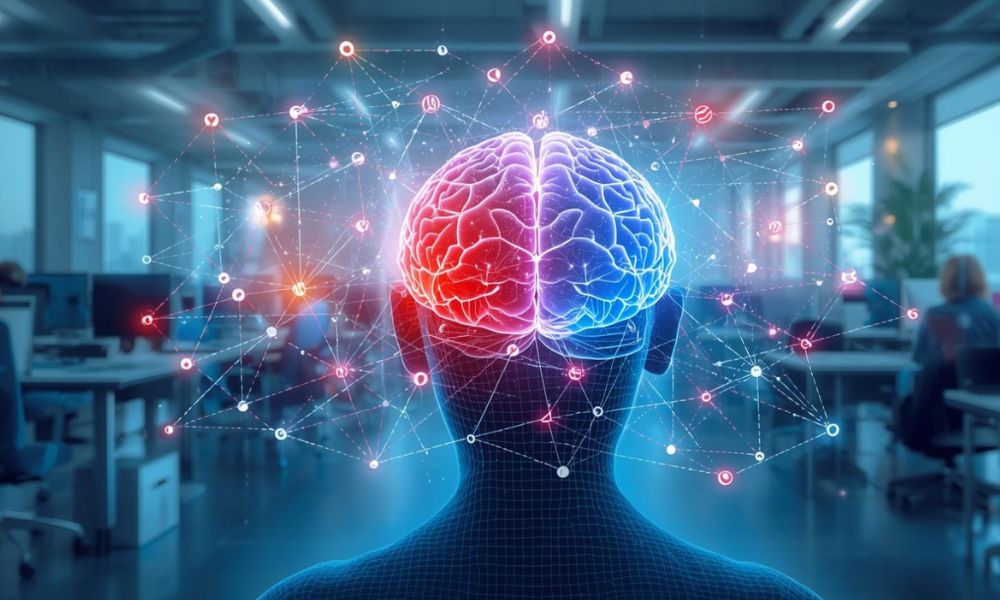
It’s not only a good business skill to have, it actually greatly influences personal relationships. Here are three reasons why emotional intelligence is so important:
Improved Communication
Having emotional intelligence makes it easier to talk and listen, whether with close friends or in a work setting. You’ll be more capable of expressing what’s going on in your mind and heart, while also paying better attention to other people.
Better Conflict Resolution
If you have strong emotional intelligence, you’ll be able to handle disagreements in a cool and calm way that looks for resolution rather than ratcheting up the conflict. Empathy and self-control are important parts of peaceful conflict resolution.
Stronger Leadership
In the workplace, emotionally intelligent leaders can inspire their staff and team, set the tone of the work culture for colleagues including snow plough operators, help manage conflict when it arises. Emotionally intelligent leaders through understanding the emotional needs of their team, build trust and enhance the performance of entire teams.
Enhanced Relationships
And, at a personal level, emotional intelligence allows you to form deep and meaningful connections with others. Being aware of your own emotions, as well the feelings of others allows you to glide through social situations, connect with people and form enduring friendships.
The Advantages You Get When You Learn Emotional Intelligence Courses
A course in emotional intelligence can take your life to a different level altogether. Here’s what it can do for you:
Increased Self-Awareness
The first thing that an emotional intelligence course will give you is greater insight into your own feelings. So by mastering the ability to recognize how emotions influence your behavior, you can create better coping strategies for yourself and make wiser decisions.
Improved Emotional Regulation
Emotional intelligence classes help you develop practical strategies for dealing with and controlling emotions in the heat of the moment so that you can remain cool, calm and collected no matter what comes your way. This emotion control also lowers stress and makes you better able to manage pressure.
Stronger Relationships
Learning empathy and how to communicate better are all help for realtionship success. Whether you’re at work or at home, emotional intelligence enables you to connect with others on a deeper level and understand them better.
Better Decision-Making
Emotional intelligence classes will even help imbibe, how to spot emotional biases and take more rational well-rounded decisions. Through enhancing your capability to calmly appraise situations, you can prevent rash decisions from causing negative outcomes.
Enhanced Leadership Skills
Having high levels of emotional intelligence means you’re better equipped to inspire your team, manage stress and resolve conflict. Mastering these skills will help you become a better leader regardless of if you’re in management or looking to advance in your career.
Choosing the Right Emotional Intelligence Course
When selecting an emotional intelligence course, it’s important to consider several factors to ensure the course meets your needs:
- Course Content: Make sure the course covers all key aspects of emotional intelligence, including self-awareness, self-regulation, empathy, and social skills.
- Format: Consider whether the course is available online or in-person. Online courses offer flexibility, while in-person classes provide opportunities for face-to-face interaction and networking.
- Certification: Some emotional intelligence courses offer certification upon completion. If you’re looking to add credentials to your professional portfolio, certification can be a valuable addition.
- Instructor Expertise: Choose a course taught by instructors with proven experience in emotional intelligence and a track record of success in teaching these skills.
Conclusion
Emotional intelligence is a critical skill that affects every facet of our lives, from personal relationships to professional success. An emotional intelligence course offers valuable tools to enhance your self-awareness, emotional regulation, empathy, and social skills. By improving these areas, you can foster stronger relationships, handle stress better, and become a more effective leader. Investing in an emotional intelligence course can lead to lasting personal growth and professional advancement, giving you the skills needed to navigate the emotional complexities of today’s world.