
Artificial intelligence (AI) has become a pivotal force driving innovation across industries, creating new opportunities for businesses to enhance their products and services. With this surge in AI adoption, the demand for skilled AI product managers is growing rapidly. If you’re interested in breaking into this dynamic field, learning AI product management is a smart and strategic choice.
This article provides a comprehensive guide on how to learn AI product management, covering the skills you need, where to find courses, and what to expect in this exciting career path.
What is AI Product Management?
AI product management is the art of overseeing AI-driven products from concept to completion. Unlike traditional product management, which focuses on general product development, AI product management requires an understanding of AI technologies, such as machine learning models, neural networks, and data-driven processes. The AI product manager ensures that the product’s design and development align with business goals while considering the complexities of implementing AI technologies.
AI product managers also bridge the gap between technical teams, stakeholders, and customers. They balance the technical aspects of AI with the strategic vision, ensuring products meet user needs while being scalable, ethical, and effective.
Why Pursue an AI Product Management Course?
As AI continues to evolve, companies are seeking qualified professionals who can manage AI products effectively. By pursuing an AI product management course, you can develop the specialized skills needed to lead AI product initiatives. Here are a few key reasons why taking this step is crucial:
- High Demand for AI Expertise: The rise of AI technologies has created a significant demand for professionals who can manage AI-driven products. By learning AI product management, you position yourself as a valuable asset in the tech industry.
- Gain Comprehensive Knowledge: A structured course provides a deep understanding of AI product management principles, from agile methodology to data-driven decision-making, making you job-ready.
- Career Advancement: Completing a course in AI product management equips you with the tools to progress in your career, whether you’re aiming for a leadership role or seeking to transition into a new industry.
Essential Skills for AI Product Managers
To succeed in AI product management, a combination of technical, business, and soft skills is required. These are the key competencies that will make you an effective AI product manager:
Technical Expertise
While you don’t need to be an AI expert, a foundational understanding of AI and machine learning is crucial. This will help you communicate effectively with engineering teams, identify opportunities for AI solutions, and ensure your product meets technical standards.
Business Acumen
An AI product manager needs to understand the broader business context. This includes identifying market needs, defining product vision, and aligning AI products with organizational goals. Understanding the competitive landscape and customer pain points is essential to delivering valuable AI solutions.
Communication and Leadership Skills
Managing an AI product involves collaborating with multiple teams, including data scientists, engineers, and marketing experts. Strong leadership and communication skills are vital for articulating ideas, motivating teams, and ensuring that all stakeholders are aligned throughout the product lifecycle.
Data-Driven Decision Making
AI products are often built on data. The ability to analyze and leverage data is a crucial skill for product managers in the AI space. Whether it’s identifying trends or making strategic decisions, being data-literate is key to driving successful outcomes.
How to Get Started with AI Product Management Courses
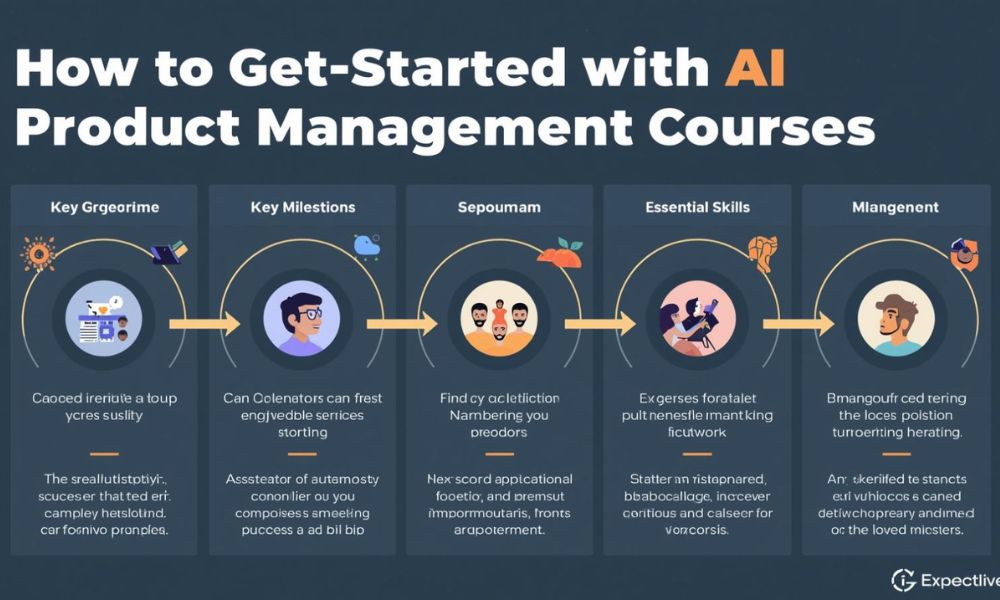
Starting your AI product management journey requires selecting the right learning path. There are a variety of course options available to suit your background and career goals. Here’s how to get started:
Online Courses
Platforms such as Coursera, Udacity, and edX offer specialized AI product management courses. These courses are designed to provide both theoretical knowledge and practical experience, allowing you to build the foundational skills needed for this role. They also offer the flexibility of online learning, allowing you to study at your own pace.
Bootcamps and Workshops
If you’re looking for a more intensive learning experience, consider enrolling in AI product management bootcamps. These immersive programs provide hands-on training, mentorship, and real-world projects. They’re designed for those who prefer a more structured and fast-paced learning environment.
Local-Based Courses
Some universities and tech institutions also offer in-person courses tailored to AI product management. These programs often provide the added benefit of networking opportunities and direct interaction with instructors and peers. Depending on your location, local-based courses might also focus on industry-specific AI applications.
What to Expect from an AI Product Management Course
AI product management courses are comprehensive, covering a wide array of topics. Here’s what you can expect from a typical course:
Core Topics
- AI Fundamentals: You’ll learn the basics of AI, including machine learning, natural language processing, and computer vision.
- Agile Product Management: AI product management follows agile principles. Courses typically cover how to manage AI projects using agile methodologies, including sprint planning and iterative development.
- AI Ethics: Ethical considerations are critical in AI development. A course will explore issues such as bias, privacy, and transparency in AI products.
- Product Lifecycle: You’ll learn how to manage the entire product lifecycle, from ideation and design to development and scaling.
Hands-On Projects
Most courses include practical assignments and projects that allow you to apply the concepts you’ve learned. These projects may involve real-world AI challenges, such as creating AI-powered solutions or analyzing data for product development.
Networking Opportunities
Many AI product management courses also offer networking opportunities, including access to industry professionals, guest speakers, and alumni networks. These connections can be valuable when you’re looking for a job or seeking mentorship.
Preparing for an AI Product Management Career
Upon completing your AI product management course, it’s time to take the next step: applying for jobs. Here are a few tips for standing out in interviews:
- Showcase Your Skills: Emphasize the skills and knowledge you gained from your course, especially any hands-on experience you had working on AI products.
- Highlight Relevant Projects: If you completed any real-world projects during the course, make sure to discuss them in detail. Potential employers will appreciate practical experience.
- Stay Current: AI is a rapidly changing field, so it’s important to continue learning and staying up to date with the latest trends and technologies in AI product management.
Conclusion
AI product management is an exciting, dynamic field that offers a wealth of opportunities for those with the right skills and knowledge. By enrolling in a comprehensive AI product management course, you can build a strong foundation in this field and position yourself as a leader in the AI revolution. Whether you’re looking to advance in your current career or embark on a new professional journey, learning AI product management is a smart investment in your future.
Embrace the challenge, expand your skill set, and prepare to thrive in one of the most cutting-edge areas of product management. With the right training, you’ll be ready to make an impact in the world of AI products.