
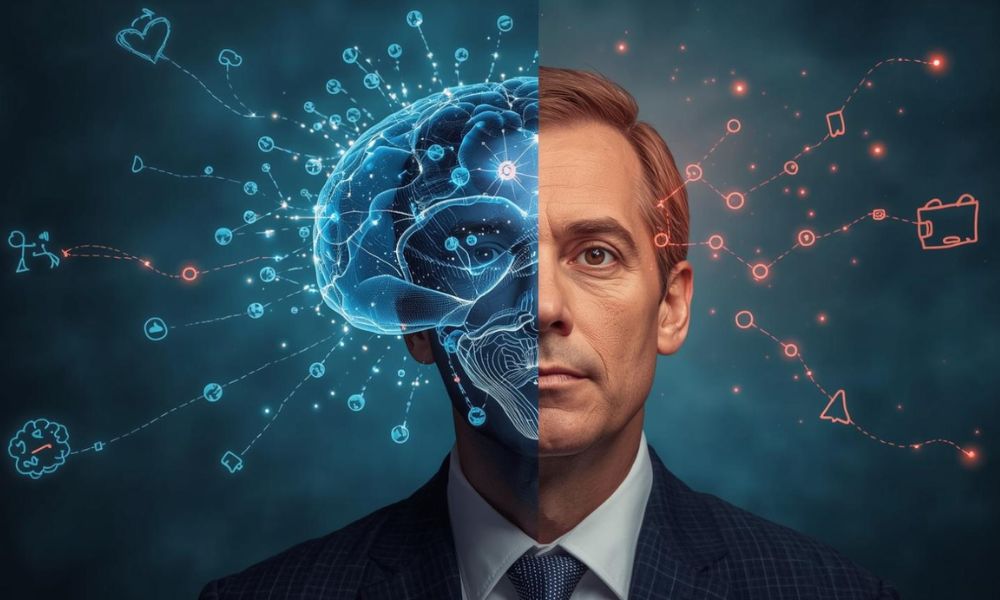
Emotional Intelligence (EQ) plays a pivotal role in how we navigate life’s challenges, connect with others, and achieve personal and professional success. Unlike traditional intelligence, which focuses on cognitive skills, emotional intelligence is about understanding, managing, and harnessing emotions—both our own and others’.
While some individuals may be naturally emotionally intelligent, the good news is that EQ can be nurtured and strengthened through targeted training. This article will explore actionable strategies for improving emotional intelligence through training, offering a pathway to enhanced self-awareness, empathy, and social effectiveness.
What is Emotional Intelligence?
Emotional intelligence encompasses five core components that help individuals manage emotions and relationships effectively:
- Self-awareness: Recognizing and understanding your emotions and their impact.
- Self-regulation: Managing emotional responses in healthy and productive ways.
- Motivation: Using emotions to drive behavior and achieve goals.
- Empathy: Understanding the emotions of others and responding appropriately.
- Social skills: Building strong relationships and managing social interactions effectively.
Each of these elements plays a critical role in improving your overall emotional intelligence, which can help you make more thoughtful decisions, communicate better, and cultivate meaningful relationships.
Why Emotional Intelligence Training Matters
Training is essential for enhancing emotional intelligence because it offers practical tools to refine and grow each of the core components. While emotional intelligence can be an innate trait, research suggests it can be developed with intentional effort and practice. Through structured training, you can break ingrained emotional habits, overcome emotional barriers, and equip yourself with skills that lead to greater success in both personal and professional contexts.
Emotional intelligence training helps individuals:
- Improve emotional regulation: By learning how to respond instead of react to emotional triggers, individuals can maintain composure in high-stress situations.
- Enhance interpersonal relationships: By strengthening empathy and social skills, you become better at understanding and connecting with others.
- Foster career and personal growth: EQ boosts leadership capabilities, increases workplace collaboration, and improves decision-making skills.
Training Instruments for Promoting Emotional Intelligence
The following are a few effective training methods that can aid you in developing your emotional intelligence. These are targeting “emotional” skills and help to develop in certain areas of EQ.
Mindfulness Meditation for Emotional Regulation
Mindfulness meditation promotes present-focused attention and awareness of emotional states and physical sensations. Practice in mindfulness will help counter emotional reactivity and enable you to handle difficult situations with greater awareness and poise. This is particularly powerful for stress management and achieving a calm, well-balanced emotional state.
Active Listening for Empathy
One of the more effective methods to encourage empathy is by active listening. It’s not about you, it’s about them This tip includes really listening to what the other person is saying without interrupting or judging. Active listening will make you know the emotional needs and viewpoints of others that can improve communication and build better relationships. Your act of listening also frames the respect and validation in how you are there for another person to be heard and understood.
Journaling for Self-Reflection
Journaling for self-awareness and emotional insight is a hot topic. Through keeping consistent records of what passes through your mind and you heart, you can monitor emotional patterns and locate places for growth. This meditative exercise promotes emotional clarity and facilitates the way you process intense emotions. Eventually, journaling will help you control your emotions and react more thoughtfully to life’s curveballs.
Role-Playing for Social Skills Development
Role-playing is a great way to strengthen and practice your social skills in a risk-free environment. By role-playing social situations, whether it’s how to manage a tough conversation or practice conflict resolution, for example, you build the confidence and emotional intelligence necessary for maneuvering your way through interactions that actually matter. Role play teaches you to try out various responses, so that you can fine-tune your social tactics and emotional reactions.
Practical Tips for Increasing Your Emotional Intelligence Daily

There are plenty of basic, everyday things we can all do to gradually facilitate the growth of our emotional intelligence, too, not just through structured training.
Practice Self-Awareness Throughout the Day
Regularly checking in with Self is one of the simplest ways to increase EQ. Stop and check your emotional temperature throughout the day. Are you angry, nervous or in a good mood? Accept the way how you feel in your body at any moment, and it will lead to understanding emotions’ roots and an ability to control them. It will help you become more familiar with patterns and respond in a more considerate way.
Make room for your feelings to percolate
Practicing a habit of emotional introspection could thus be a key to developing EQ. Whether it is through journaling, meditating or simply sitting quietly for a few minutes, taking the time to reflect on your feelings can help you identify triggers and find areas where there may be room for personal growth. This way of being is also resilience-building – as you are better equipped to deal with challenging feelings in the future.
Focus on Positive Self-Talk
The way we talk to ourselves has a huge effect on our emotions. ―Self believing and positive things that you tell yourself instead when you doubt or say bad things to yourself. By practicing talking encouragement to yourself, you will reinforce your emotional fortitude and cultivate an attitude of hopefulness instead.
Empathy, Emotional Intelligence : A Road Map To Better Relationships
Compassion is one of the cornerstones of emotional intelligence. It helps you understand and relate to other people’s feelings, which is crucial in developing strong personal and professional relationships. But at the office, home or with friends, empathetic listening leads to better communication and respect.
If you want to grow your empathy, try active listening and walking in someone else’s shoes. Learn to put yourself in their shoes and affirm their feelings. Doing this will allow you to respond with compassion and warmth, and it will sustain your bond and make your exchanges more positive.
Conclusion
Improving emotional intelligence through training is not an overnight process, but it is an immensely rewarding journey. Whether you’re looking to strengthen your self-awareness, enhance your social skills, or cultivate better emotional regulation, the tools and strategies outlined above can help you achieve your goals.
Emotional intelligence training empowers you to understand your emotions, manage them effectively, and connect with others in a more meaningful way. By committing to ongoing EQ development, you can unlock greater success in your personal and professional life, leading to a more balanced, fulfilling, and emotionally intelligent future.