
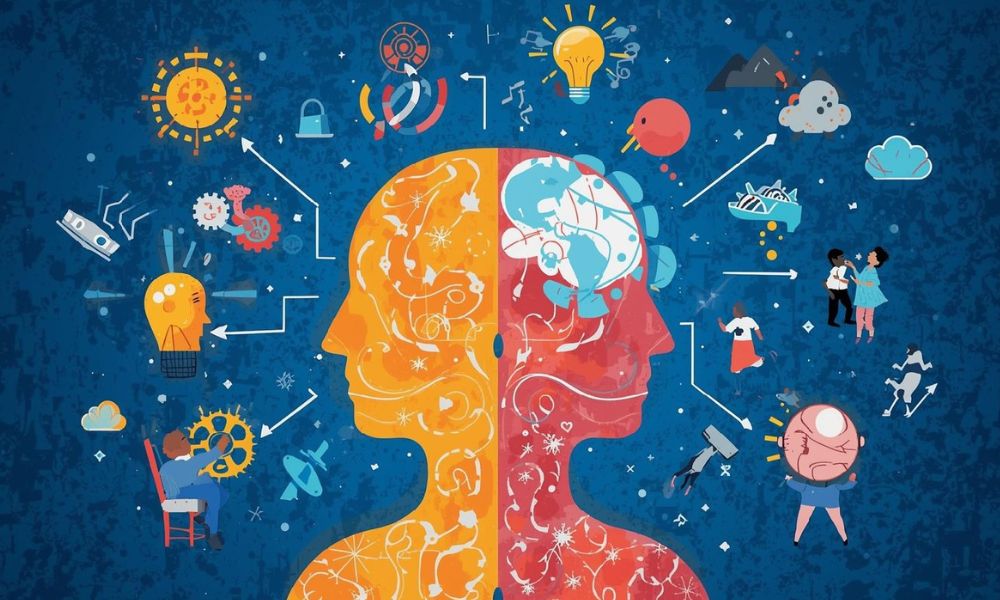
Emotional intelligence (EQ) has emerged as one of the most pivotal skills for personal growth, professional success, and healthy relationships. But can emotional intelligence be trained? This is a question that has sparked much debate, and for good reason. As society places increasing importance on social and emotional skills, the ability to manage one’s emotions and navigate interpersonal dynamics is more crucial than ever. While many believe that emotional intelligence is an inherent trait, research suggests that, like any skill, it can indeed be nurtured and developed over time.
In this article, we will explore the concept of emotional intelligence, delve into the science behind it, and answer the question: can emotional intelligence be trained? By understanding how EQ operates and how it affects every aspect of our lives, we can better appreciate the value of emotional intelligence training and discover practical ways to enhance it.
What is Emotional Intelligence and Why is It Important?
At its core, emotional intelligence refers to the ability to recognize, understand, and manage one’s own emotions, while also being attuned to the emotions of others. Unlike traditional intelligence, which is often measured by IQ, emotional intelligence encompasses a variety of abilities related to how we deal with emotions in ourselves and in our interactions with others. These abilities include self-awareness, self-regulation, empathy, and social skills.
The importance of emotional intelligence cannot be overstated. People with high EQ are more likely to have better mental health, stronger relationships, and greater success in their careers. They are also more adaptable in navigating the complexities of social and professional environments. This is why emotional intelligence is often considered just as important, if not more, than intellectual ability in certain contexts.
Can Emotional Intelligence Be Trained? Exploring the Possibilities
While some may argue that emotional intelligence is a trait you are either born with or not, the truth is much more promising. Studies and research in the field of psychology have shown that emotional intelligence is not a fixed trait, but rather a skill set that can be developed and honed through conscious effort and practice.
Much like learning a new language or mastering a musical instrument, training your emotional intelligence requires intentionality, patience, and consistent practice. It is not a quick fix but a lifelong journey of self-improvement. So yes, emotional intelligence can indeed be trained, and the benefits are far-reaching.
The Science Behind Emotional Intelligence
To truly understand whether emotional intelligence can be trained, it is essential to first look at how it works. Emotional intelligence is rooted in the brain’s ability to process emotions and make decisions based on emotional information. Research has shown that the amygdala, the part of the brain responsible for emotional reactions, plays a central role in emotional processing. However, other areas of the brain, such as the prefrontal cortex, are involved in regulating and controlling emotional responses.
Interestingly, the brain remains plastic throughout life, meaning that it can adapt and rewire itself in response to new experiences. This neuroplasticity opens the door to the possibility of improving emotional intelligence. Through focused practice and mindfulness, individuals can reshape how their brains process and respond to emotions, ultimately enhancing their EQ.
The Four Key Components of Emotional Intelligence
Emotional intelligence is typically broken down into four key components, all of which contribute to a person’s overall emotional awareness and ability to manage emotions effectively. These components are:
Self-Awareness
This is the ability to recognize and understand your own emotions, and how they affect your thoughts and behavior. Self-awareness is foundational for emotional intelligence, as it allows individuals to reflect on their emotional responses and gain insight into their emotional patterns.
Self-Regulation
Self-regulation involves managing your emotions healthily and constructively. It is the ability to control impulsive feelings and behaviors, stay calm under pressure, and adapt to changing circumstances without overreacting.
Empathy
Empathy is the capacity to recognize and understand the emotions of others. It goes beyond simply recognizing what someone else is feeling; it involves deeply connecting with them and responding appropriately to their emotional needs.
Social Skills
Social skills encompass the ability to build and maintain relationships, communicate effectively, and work collaboratively with others. Also, these skills are essential for teamwork, conflict resolution, and fostering positive interpersonal dynamics.
Each of these components plays an integral role in emotional intelligence, and by working on improving them, individuals can gradually enhance their overall EQ.
Why Emotional Intelligence is Just as Important as IQ
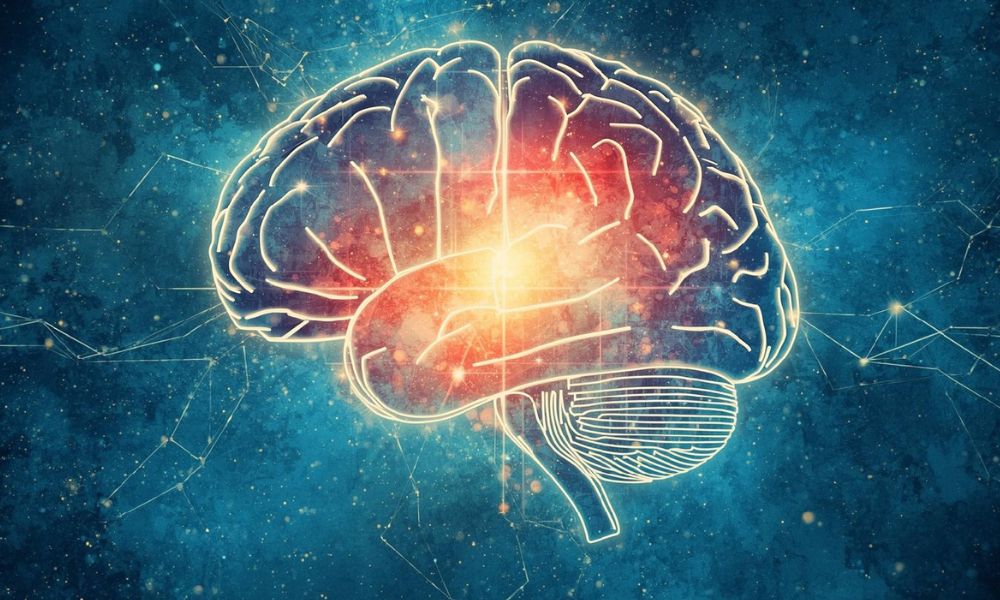
In the past, intelligence was often seen as synonymous with IQ, but today, the conversation has shifted. While IQ measures cognitive ability, emotional intelligence measures a person’s ability to navigate the emotional complexities of life. People with high emotional intelligence are often better equipped to handle stress, resolve conflicts, and build strong relationships, all of which contribute to a fulfilling and successful life.
Research has shown that emotional intelligence plays a crucial role in leadership effectiveness, job performance, and even physical health. Also, it is the key to emotional resilience, which is the ability to bounce back from setbacks and stay grounded in the face of adversity. As such, emotional intelligence is becoming increasingly recognized as a crucial aspect of personal and professional development.
Building Emotional Intelligence: Is It Really Possible?
The idea that emotional intelligence can be cultivated may sound promising, but is it truly feasible? The answer lies in the brain’s ability to adapt and change. Neuroplasticity, or the brain’s capacity to reorganize itself by forming new neural connections, provides the foundation for emotional intelligence training.
When we engage in activities that promote emotional growth—such as mindfulness meditation, journaling, or practicing active listening—we are essentially rewiring our brain to respond more intelligently to emotional stimuli. With time and consistent effort, emotional intelligence can become second nature, leading to profound changes in how we perceive and respond to our emotions and the emotions of others.
Practical Ways to Train Emotional Intelligence
Training emotional intelligence involves various strategies that can be incorporated into daily life. Some practical methods to enhance emotional intelligence include:
- Mindfulness Practice – Mindfulness encourages individuals to be present in the moment, acknowledging and observing emotions without judgment. This practice helps improve self-awareness and emotional regulation by fostering a calm and centered mind.
- Journaling – Writing down your thoughts and emotions helps process them more effectively, leading to better emotional understanding. Journaling can also help track emotional patterns and identify areas for improvement.
- Active Listening – Listening with full attention, without interruption or judgment, is key to developing empathy. Active listening helps strengthen relationships by allowing others to feel heard and understood.
- Emotional Reflection – Taking time each day to reflect on your emotions, how they arose. And how you responded can provide valuable insights into your emotional patterns. This awareness is the first step in self-regulation.
- Practicing Empathy – Regularly putting yourself in others’ shoes and trying to understand their emotional experiences fosters empathy. This practice can improve both personal and professional relationships.
- Building Social Skills – Engaging in social activities, seeking feedback from others. And working collaboratively with diverse groups can help develop better interpersonal skills.
The Role of Emotional Intelligence in Career and Relationships
Emotional intelligence has a profound impact on both professional success and personal relationships. In the workplace, individuals with high emotional intelligence are better able to handle stress, collaborate effectively with colleagues. And navigate workplace conflicts. These skills are critical for leadership, as emotionally intelligent leaders can motivate and inspire their teams while maintaining a positive work environment.
In personal relationships, emotional intelligence plays a central role in fostering communication, empathy, and mutual respect. Couples, friends, and family members with high EQ are better equipped to navigate challenges, resolve conflicts amicably. And build long-lasting, fulfilling connections.
Conclusion
The future of emotional intelligence training looks promising, with growing recognition of its importance in personal and professional contexts. As we continue to navigate an increasingly interconnected and emotionally complex world, developing emotional intelligence will become even more essential for success and well-being.
Training emotional intelligence is not a one-time event but an ongoing journey. With dedication and consistent effort, individuals can unlock their full potential and reap the benefits of a life guided by emotional awareness, regulation, and empathy.